






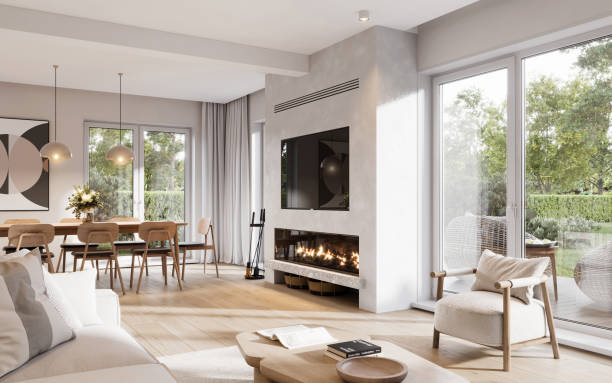
Perfection is exhausting. In 2026, homeowners aren’t chasing picture-perfect rooms that feel like showrooms—they’re creating spaces that feel safe, soft, and lived-in. Instead of obsessing over matching sets and spotless surfaces, people are leaning into comfort, warmth, and personality. And honestly, it makes sense.
Life is louder than ever. Work is faster. Screens are everywhere. So, when people step inside their homes, they want relief—not pressure. That’s why cozy home design is becoming the go-to approach for nearly everyone: women curating peaceful spaces, interior decorators blending beauty and function, homebuyers seeking that feeling, and builders adjusting layouts to support real life.
Even better, cozy doesn’t mean cluttered or outdated. It can be minimalist, modern, rustic, or somewhere in between. The common thread is simple: a relaxing home atmosphere that looks good and feels good. Along the way, you’ll also learn how to build a functional home layout that supports your routine, whether you’re updating one room or rethinking the entire home.
1) The 2026 Mindset Shift: From Show Home to Real Home
For years, social media pushed homes toward a polished, staged look—white sofas nobody sat on, shelves styled like museum exhibits, and kitchens that felt too pristine to cook in. However, people are finally pushing back. In 2026, the goal is not to impress guests; instead, it’s to feel grounded every single day.
This mindset shift is influencing everything from living room design to bedroom design. Buyers are also walking into homes and asking, “Can I relax here?” rather than “Is this trendy?” Meanwhile, constructors and remodelers are adjusting choices accordingly—adding better storage, building cozier nooks, and planning rooms that flow naturally. Cozy home design thrives because it’s forgiving. It welcomes real life: kids, pets, messy mornings, movie nights, and quiet weekends. Moreover, it permits people to choose comfort over constant maintenance.
What’s driving the change?
- Emotional wellness matters more than aesthetics alone
- People want personalized home decor that reflects identity
- Neutral interiors are evolving into warmer, softer spaces
- Function is becoming the new luxury
And because the home is now a multi-purpose place—office, retreat, gym, entertaining space—comfort-driven design is no longer optional. It’s essential.
2) The Comfort Formula: Color + Light + Texture
If cozy had a blueprint, it would include three core pieces: warm color palettes, soft lighting, and layered textiles. While trends shift, these fundamentals remain timeless. As a result, they’re at the center of cozy home design in 2026.
Warm Color Palettes That Actually Feel Warm
Cold whites are fading. Instead, people are choosing earth tones, creamy neutrals, and shades that look flattering in natural and artificial light. Think soft beige, clay, sand, warm taupe, muted olive, and terracotta accents.
Soft Lighting Over Harsh Brightness
Lighting is no longer an afterthought. Ambient lighting matters because it sets the emotional tone of a space. In fact, the right lighting can make a simple room feel both expensive and comforting.
Layered Textiles That Invite You In
Texture is what makes a room feel touchable. Throw blankets, area rugs, and cushy fabrics soften the space visually and physically—so the room feels welcoming even before you sit down.
Quick Cozy Checklist:
- Warm color palettes in paint, upholstery, or art
- Soft lighting via lamps, sconces, and dimmable bulbs
- Ambient lighting using warm LEDs or shaded fixtures
- Layered textiles: curtains, pillows, throws, rugs
When these work together, your home starts to feel like a retreat, not a display.
3) Why Cozy Works for Every Style
Some people hear cozy and imagine clutter, heavy fabrics, or too many decorative items. Yet cozy is not a style—it’s a feeling. That’s why cozy home design blends well with minimalist decor, cottagecore decor, and even sleek organic modern style.
Minimalists are making cozy upgrades by swapping stark whites for warmer neutrals and adding texture without adding mess. Meanwhile, modern homes are embracing wood accents and natural materials to reduce that cold showroom vibe. Even biophilic design fits perfectly because greenery naturally softens a space.
Here’s the key: you don’t need more stuff—you need better layers.
Cozy can be:
- Minimal: fewer items, but warmer tones and soft materials
- Modern: clean lines paired with natural materials and warm light
- Rustic: wood accents, earth tones, and comfortable furniture
- Romantic: layered textiles, gentle lighting, and personalized home decor
So, whether your taste leans modern, classic, or eclectic, cozy home design adapts to you rather than forcing you into a template.
4) The Living Room Design Reset: Where Comfort Takes the Lead
Living rooms used to be guest-first. Now, they’re life-first. In 2026, living room design is shifting away from formal layouts and toward comfort zones—spaces that support conversation, rest, and daily routines.
Instead of centering everything around a TV or a perfect coffee table vignette, people are focusing on comfortable furniture that supports how they actually live. Additionally, softness is replacing stiffness: rounded edges, plush seating, and flexible layouts.
What cozy living rooms include in 2026
- A sofa you actually want to sink into
- One or two accent chairs for balance
- Area rugs that anchor the space and reduce echo
- Throw blankets within reach
- Warm color palettes that look inviting day and night
Also, wood accents are becoming a favorite way to add warmth without visual clutter—think oak side tables, walnut shelving, or a simple wood coffee table with a soft finish.
If you want a cozy home design to feel real, start here. The living room is the emotional center of the home—so when it feels comfortable, everything else follows.
5) Bedroom Design in 2026: Softness, Calm, and Better Sleep
Bedrooms are no longer an afterthought. Because stress is high and rest is sacred, people are treating bedroom design like a wellness project. That means fewer harsh contrasts, more texture, and a stronger focus on a relaxing home atmosphere.
Cozy bedrooms don’t have to be fancy. However, they do need intentional choices—especially when it comes to lighting and textiles. Soft lighting signals your body to unwind, while layered textiles create comfort you can feel.
Cozy bedroom upgrades that make a big difference
- Add a plush area rug beside the bed
- Use ambient lighting with warm bulbs
- Layer bedding: quilt + duvet + throw blanket
- Choose neutral interiors with warm undertones
- Bring in natural materials like linen, cotton, and wood accents
What’s interesting is how cozy home design improves more than style—it improves life. When the bedroom feels gentle and supportive, sleep often follows.
6) Small Space Design: Cozy Without Feeling Crowded
Small spaces can be challenging. Still, the 2026 design proves that cozy doesn’t require square footage. In fact, small space design often looks better when it leans into warmth and function rather than over-decoration.
The secret is a functional home layout—creating zones even when you have limited room. For example, you can separate lounging, working, and dining areas through lighting and rugs rather than walls.
Cozy strategies for small spaces
- Use area rugs to define zones
- Choose comfortable furniture with slimmer profiles
- Add wall lighting or sconces to free up surfaces
- Pick warm color palettes to prevent a sterile feel
- Use layered textiles strategically (a throw, not ten pillows)
Meanwhile, biophilic design can transform a small space quickly. A single plant shelf or a tall indoor tree adds softness and life instantly, without crowding the room.
With this, small homes stop feeling tight and start feeling intentional.
7) Cozy vs. Perfect Home Thinking
Here’s a simple way to spot the difference between the old mindset and the 2026 one. While both can look beautiful, only one is designed to support real life.
| Design Choice | Perfect Home Approach | Cozy Home Approach |
| Sofa | Looks stylish, feels stiff | Comfortable furniture you love daily |
| Color | Bright white everywhere | Neutral interiors with warm undertones |
| Lighting | One overhead light | Soft lighting + ambient lighting layers |
| Textiles | Minimal, untouchable | Layered textiles + throw blankets |
| Materials | Glossy, cold finishes | Natural materials + wood accents |
| Decor | Matching sets | Personalized home decor |
This is why cozy home design is winning—it supports how people truly want to live now.
8) The Styles Shaping Cozy in 2026: Hygge, Organic Modern, Cottagecore, and More
Cozy is showing up through multiple style lanes, which is why it feels so universal. Instead of a single trend dominating, several aesthetics are blending toward a shared goal:
comfort + warmth + authenticity.
Hygge design
This Scandinavian-inspired approach focuses on comfort rituals: soft lighting, calm colors, layered textiles, and a peaceful mood.
Organic modern style
It’s modern but softened—with natural materials, subtle curves, earth tones, and texture-driven home decor.
Cottagecore decor
Romantic and nostalgic, yet still practical when done right. Think cozy fabrics, warm details, and charming imperfections that feel personal.
Biophilic design
Bringing nature indoors—plants, natural light, wood accents, and calming organic textures.
What ties them together is the emotional outcome: a relaxing home atmosphere that doesn’t feel forced. And because cozy home design can draw on any of these, it remains flexible and personal.
9) Natural Materials and Wood Accents: The Fastest Way to Warm Up a Home
There’s a reason natural materials keep showing up in interior design conversations: they calm the eye and soften the mood. In 2026, homeowners are moving away from ultra-glossy finishes and “cold perfection,” choosing surfaces that feel grounded instead. As a result, wood accents are everywhere—on furniture, trims, shelving, beams, and even small decor pieces.
What makes natural elements so effective is that they add warmth without demanding attention. A simple oak console, a rattan basket, or a linen curtain instantly changes how a room feels. Meanwhile, earth tones pair naturally with wood, which helps neutral interiors feel richer rather than flat.
Here are easy, realistic ways to use natural materials without overdoing it:
- Add wood accents through side tables, floating shelves, picture frames, or a coffee table
- Use woven textures like jute, cane, seagrass, or wicker in baskets and lighting
- Choose stone, clay, or ceramic accessories that look handmade
- Mix soft textiles (linen, cotton, wool) to balance hard surfaces
- Keep the palette cohesive with warm color palettes so the room feels intentional
This approach supports cozy home design by adding warmth and texture while still allowing minimalist decor, organic modern style, or cottagecore decor to shine—depending on how you style it.
10) The Layering Method Interior Decorators Use for Instant Cozy
Professional decorators rarely rely on one big statement to make a room feel inviting. Instead, they layer comfort in a way that’s subtle but powerful. It’s not about buying more; it’s about placing the right items in the right spots so the room feels complete.
The layering method works because it creates depth. When a room has nothing but flat surfaces and hard angles, it feels unfinished—even if it’s expensive. However, when you introduce layered textiles, soft lighting, and a few personal touches, the space becomes emotionally readable: you can tell it’s meant to be lived in.
A practical layering formula:
- Base layer: area rugs to soften the floor and define space
- Comfort layer: comfortable furniture that supports lounging, reading, or gathering
- Texture layer: throw blankets, pillows, curtains, and upholstered pieces
- Light layer: ambient lighting + task lighting + soft lighting (no harsh glare)
- Personality layer: personalized home decor like art, books, heirlooms, or travel finds
A quick reminder: layering doesn’t mean clutter. In fact, cozy home design often looks cleaner when each layer has a purpose—warmth, sound absorption, comfort, or mood.
11) Lighting That Feels Like a Hug
In 2026, people aren’t just decorating rooms—they’re designing feelings. And lighting is the fastest way to change a mood without remodeling. One ceiling fixture can light a room, yet it can’t create a relaxing home atmosphere on its own. That’s why soft lighting and ambient lighting are now considered essentials, not extras.
A cozy lighting plan uses multiple sources at different heights. This reduces shadows, removes glare, and makes the space feel calm in the evening. Even better, it makes warm color palettes look richer and more flattering.
Try this lighting mix:
- Overhead light (only if needed, and ideally dimmable)
- Table lamps on consoles or side tables for soft lighting
- Floor lamp near seating for reading and warmth
- Wall sconces in hallways or bedrooms to save surface space
- Warm bulbs (especially in bedrooms and living rooms) for a gentle glow
If you’re working with small space design, wall lighting can be a game-changer because it keeps things open. And if you’re styling neutral interiors, lighting becomes the color that brings the room alive. This is one of the biggest reasons cozy home design feels more luxurious than perfect design—because it supports comfort after the sun goes down.
12) Functional Home Layout: Cozy Starts with How You Move Through a Space
Cozy isn’t only pillows and rugs. It’s also how a home functions. A beautiful room that’s awkward to walk through won’t feel relaxing, no matter how stylish it is. That’s why functional home layout is a major focus for homeowners, constructors, and buyers in 2026.
People want homes that reduce friction: fewer tight corners, fewer dead zones, more intentional storage, and layouts that support daily habits. Instead of designing around “how it looks in photos,” homeowners are designing around real routines—coffee mornings, homework, movie nights, and quiet resets.
Comfort-friendly layout choices include:
- Creating clear walking paths (so the room feels open, not blocked)
- Using area rugs to define zones without adding walls
- Choosing comfortable furniture scaled to the room (especially in small space design)
- Adding a landing zone near entry points for bags, shoes and keys
- Using multi-functional pieces: ottomans with storage, benches, nesting tables
When the layout supports life, this design becomes effortless because the home stops fighting you. And when a home supports you, it naturally feels warmer.
13) Room-by-Room Cozy Upgrades That Actually Get Used
A common mistake is buying decor that looks nice but never fits into real life. In 2026, homeowners are prioritizing objects and upgrades that earn their place. That means the cozy elements should be reachable, washable, durable, and comfortable—especially in high-traffic spaces.
Living room design upgrades
- Add a large area rug to anchor seating and reduce echo
- Keep throw blankets within reach, not folded for display only
- Use wood accents in side tables or shelving for warmth
- Add ambient lighting with two or three lamp sources
Bedroom design upgrades
- Upgrade bedding layers (quilt + duvet + textured throw)
- Replace harsh bulbs with soft lighting
- Add a rug beside the bed for instant comfort
- Keep the palette calm with earth tones or warm neutrals
Small space design upgrades
- Use mirrors to bounce light, then soften with layered textiles
- Choose fewer decor pieces, but make them meaningful
- Use vertical storage to keep floors open
- Add one strong cozy anchor: a rug or a plush chair
Because cozy home design is about daily comfort, the best upgrades are the ones you’ll feel every day—not just notice on day one.
14) Mistakes That Kill Cozy and Simple Fixes That Bring It Back
Even with good taste, cozy can disappear if a room feels too sharp, too empty, or too harshly lit. The good news is that most cozy problems have simple fixes—no renovation required.
Here are common cozy killers and what to do instead:
- Too much overhead light → add ambient lighting and warm bulbs
- Rooms that echo → add area rugs, curtains, and layered textiles
- Everything matches perfectly → add personalized home decor for character
- Cold color choices → shift toward warm color palettes and earth tones
- Furniture that looks good but feels stiff → prioritize comfortable furniture
- Spaces that feel cluttered → simplify surfaces, then add one texture layer back
Cozy doesn’t need perfection; it needs balance. When you fix the basics—light, texture, warmth—home design comes back fast.
15) Quick Cozy Action Plan: Your 7-Day Reset
If you’re ready to move from “pretty” to peaceful, here’s a simple plan you can actually stick to. It works whether you’re a homeowner refreshing your place, a decorator building a vibe, or a buyer prepping a new space for everyday life.
Day 1: Choose a warm base direction
- Pick earth tones or warm neutrals that support neutral interiors
Day 2: Fix lighting first
- Add one lamp, switch to warm bulbs, and create soft lighting zones
Day 3: Add one grounding rug
- Use area rugs to define space and soften sound
Day 4: Layer comfort where you sit
- Add throw blankets, textured pillows, or a soft chair cover
Day 5: Bring in natural materials
- Add wood accents, woven baskets, or linen textures
Day 6: Make it personal
- Add personalized home decor: photos, books, art, heirlooms
Day 7: Edit and rebalance
- Remove what feels staged, keep what feels lived-in
This plan supports cozy home design by prioritizing comfort in the right order: mood first, then texture, then personality.
Cozy Is the New Standard—Now Make It Yours
Perfection had its moment. But in 2026, homeowners are choosing what feels better over what looks flawless. They want homes that soften the day, not homes that demand constant upkeep. And that’s exactly why cozy home design is everywhere: it supports real routines, real emotions, and real people.
So, whether you’re refreshing a living room design, upgrading bedroom design, solving small space design challenges, or building from scratch with a functional home layout, the goal stays the same: create a relaxing home atmosphere that welcomes you back—every time you walk through the door.
We believe cozy isn’t a trend—it’s a lifestyle upgrade. So, pick one space today, choose one change like lighting, texture, warmth, or layout, and start building comfort on purpose. Explore more ideas by visiting Explores Everyday, share it with someone who’s redesigning, and try the 7-day reset this week—because you deserve a home that feels like home.











Leave a comment