






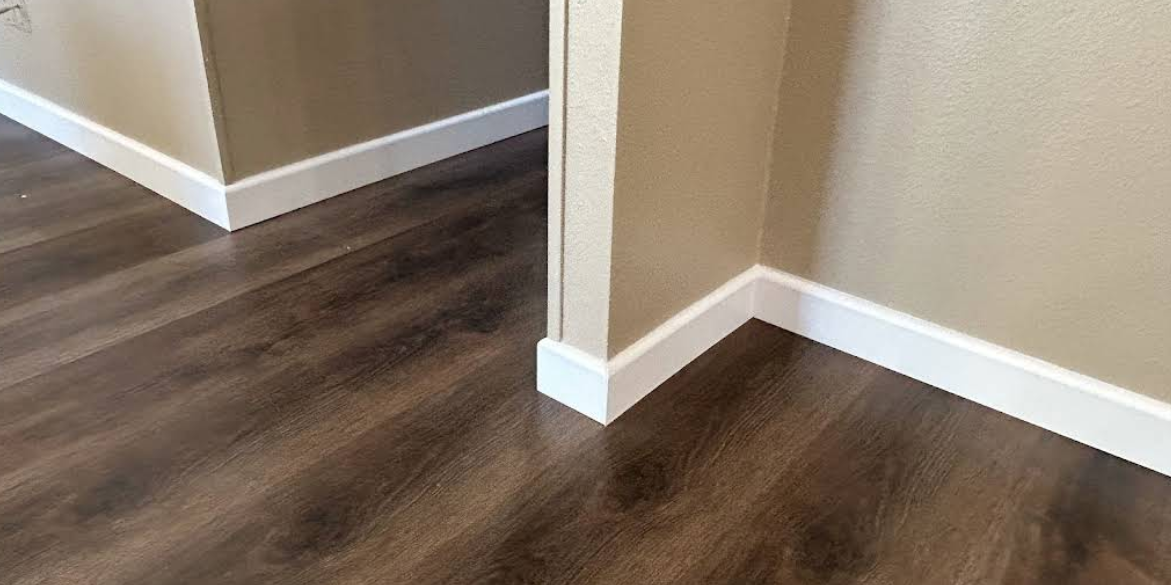
Choosing the right flooring for your Peoria home involves more than picking a color you like. You need a material that handles Arizona’s climate, fits your lifestyle, and stays within budget. Vinyl flooring has become one of the most popular choices for homeowners across the valley, offering durability and style without breaking the bank. But getting those benefits depends entirely on proper installation.
When you hire a flooring contractor in Peoria, AZ, you’re investing in more than just materials. The installation process determines how long your floors will last, how they’ll perform under daily use, and whether you’ll face issues down the road. This guide walks you through what makes vinyl flooring a smart choice, what to expect during professional installation, and how to ensure you’re getting quality work that stands the test of time.
Why Vinyl Flooring Works So Well in Arizona Homes
Arizona’s extreme temperatures and low humidity create unique challenges for flooring materials. Hardwood can warp or crack in the heat, and some laminates struggle with the constant temperature shifts between air-conditioned interiors and scorching outdoor conditions. Vinyl flooring handles these conditions remarkably well because of its composition and flexibility.
Modern vinyl products come in two main types: luxury vinyl plank (LVP) and luxury vinyl tile (LVT). Both offer water resistance that makes them ideal for kitchens, bathrooms, and laundry rooms. Unlike traditional laminate, vinyl won’t swell when exposed to moisture. This matters in Peoria homes where monsoon season can bring unexpected humidity spikes or where pets might have accidents.
The technology behind today’s vinyl flooring has advanced dramatically. You’ll find options that convincingly mimic hardwood, stone, or ceramic tile at a fraction of the cost. The wear layers on quality vinyl products resist scratches, scuffs, and fading from UV exposure, which is crucial when Arizona sunlight streams through your windows. When you work with an experienced floor installation service in Peoria, AZ, they can recommend products specifically rated for our climate conditions.
What Professional Installation Actually Involves
Subfloor Preparation Makes or Breaks the Project
The surface beneath your new vinyl floor needs to be completely flat, clean, and structurally sound. Even small imperfections telegraph through vinyl and create visible bumps or low spots. Professional installers spend significant time preparing the subfloor, which might involve grinding down high spots, filling low areas with leveling compound, or addressing moisture issues in concrete slabs.
Many DIY installation failures stem from skipping this step. A flooring contractor in Peoria, AZ will check for levelness using specialized tools and won’t proceed until the subfloor meets manufacturer specifications. This preparation work takes time but prevents problems like planks separating at the seams or the entire floor developing waves months after installation.
Acclimation Prevents Future Problems
Vinyl flooring needs time to adjust to your home’s temperature and humidity before installation. Most manufacturers require materials to sit in the installation space for at least 48 hours. This acclimation period lets the vinyl expand or contract to match your home’s conditions, reducing the risk of gaps or buckling later.
Professional vinyl flooring installation in Peoria, AZ includes proper acclimation as standard practice. The installer will also maintain the room temperature between 65 and 85 degrees during and after installation. Skipping this step is one of the most common mistakes that leads to warranty claims being denied.
Installation Methods Vary by Product Type
Vinyl flooring installs using several different methods. Floating floors click together without adhesive and rest on top of an underlayment. Glue-down installations use adhesive to bond vinyl directly to the subfloor. Loose-lay vinyl relies on friction and weight to stay in place. Each method has advantages depending on your subfloor type, room size, and how the space gets used.
A quality floor installation service in Peoria, AZ will recommend the right method for your specific situation. High-traffic areas often benefit from glue-down installation for extra stability. Floating floors work well over existing flooring in some cases, saving removal costs. The installer’s expertise in matching method to application ensures better long-term performance.
Common Mistakes That Compromise Quality
Not every installation problem shows up immediately. Some issues take weeks or months to become apparent, which is why working with an experienced flooring contractor in Peoria, AZ matters. Understanding what can go wrong helps you evaluate whether your installer follows best practices.
Inadequate expansion gaps rank among the most frequent errors. Vinyl needs space around the room’s perimeter to expand when temperatures rise. Without proper gaps, floors can buckle or warp. Transitions between rooms also require attention. Poorly installed transition strips look unprofessional and can create tripping hazards or allow moisture to reach the subfloor.
Another common issue involves seam placement. Skilled installers plan plank layout to minimize visible seams and avoid placing them in high-traffic walkways where they’ll separate faster. They also stagger seams in a random pattern that looks natural rather than creating obvious repeating patterns that cheapen the appearance.
Using the wrong adhesive or applying it incorrectly causes failures in glue-down installations. The adhesive needs to match the specific vinyl product and subfloor material. Too much adhesive causes it to squeeze up between planks. Too little leads to sections that lift or shift. Professional vinyl flooring installation in Peoria, AZ includes using manufacturer-approved adhesives applied with the correct trowel size and technique.
Questions to Ask Before Hiring an Installer
Protecting your investment starts with choosing the right professional. Not all flooring contractors have equal experience with vinyl products, and installation quality varies widely. Ask potential installers how many vinyl projects they complete annually. Specialists who focus on this material understand its quirks better than generalists who occasionally install it.
Request references from recent projects similar to yours. A contractor comfortable with their work will readily provide contact information for previous clients. Ask whether they’re certified by major vinyl manufacturers. Many companies require installers to complete training programs before authorizing them to install their products under warranty.
Clarify what’s included in the quote. Does the price cover furniture moving, baseboard removal and reinstallation, old flooring disposal, and subfloor preparation? Hidden costs add up quickly when these items appear as surprise charges. A detailed written estimate from your floor installation service in Peoria, AZ should break down every aspect of the project.
Ask about their warranty on installation labor. Quality contractors stand behind their work with guarantees that cover installation defects separate from the product warranty. Find out how they handle issues that arise after completion and what their process looks like for addressing concerns.
Maintaining Your Vinyl Floors After Installation
Professional installation gives you a solid foundation, but proper maintenance extends the life of your flooring. Vinyl is low-maintenance compared to many materials, but it’s not maintenance-free. Regular sweeping or vacuuming removes grit that can scratch the surface over time. Use a damp mop with vinyl-specific cleaners rather than harsh chemicals that can dull the finish.
Place mats at exterior doors to catch dirt and moisture before they reach your vinyl. Use furniture pads under chair and table legs to prevent indentations. While vinyl resists water, standing water can eventually seep into seams, so wipe up spills promptly. Avoid dragging heavy furniture or appliances across the floor, which can gouge even durable wear layers.
Your flooring contractor in Peoria, AZ should provide specific care instructions for your particular product. Some vinyl floors benefit from occasional application of manufacturer-recommended polish. Others have finishes that never require waxing. Following the right maintenance routine for your specific flooring keeps it looking new for years.
Final Thoughts
Vinyl flooring offers Peoria homeowners an attractive combination of durability, style, and value. The key to getting these benefits lies in professional installation that addresses every detail from subfloor preparation through proper acclimation and technique. While product quality matters, even premium vinyl performs poorly when installed incorrectly.
Taking time to find an experienced floor installation service in Peoria, AZ pays dividends in long-term satisfaction. Look for contractors who specialize in vinyl, follow manufacturer guidelines, and stand behind their work with solid warranties. When you’re ready to upgrade your home’s flooring, Accent Home Improvements can guide you through the selection and installation process with the expertise that comes from years of serving local homeowners. Quality installation transforms vinyl from a budget-friendly option into flooring that performs beautifully for decades.
Frequently Asked Questions
How long does professional vinyl flooring installation typically take?
Most residential vinyl flooring installations complete in one to three days, depending on room size and complexity. This includes subfloor preparation, acclimation time, installation, and cleanup. Larger homes or projects requiring extensive subfloor work may take longer. Your contractor should provide a realistic timeline during the estimate process.
Can vinyl flooring be installed over existing tile or hardwood?
Yes, vinyl can often go over existing flooring if the surface is level, stable, and in good condition. Tile needs filled grout lines and no loose pieces. Hardwood must be firmly attached with no soft spots. However, removing old flooring sometimes provides better results. An experienced installer will assess your situation and recommend the best approach for long-term performance.
What’s the difference between cheaper vinyl and premium products?
Premium vinyl features thicker wear layers that resist scratches and denting better, more realistic textures and patterns, better dimensional stability, and often includes attached underlayment. Budget vinyl may have thinner construction that shows wear faster and less convincing wood or stone appearance. For high-traffic areas, investing in better quality prevents premature replacement and provides better value over time.
Will vinyl flooring make my home look cheap compared to real hardwood?
High-quality vinyl plank has become remarkably realistic. Many products feature embossed textures that match the visual grain, varied plank widths, and subtle color variation that mimics natural wood. When properly installed, quality vinyl is difficult to distinguish from real hardwood at first glance. The key is selecting better-grade products and ensuring expert installation that maintains consistent spacing and clean transitions.
How soon can I move furniture back onto newly installed vinyl floors?
For floating vinyl floors, you can typically replace furniture within 24 hours. Glue-down installations need 48 to 72 hours for the adhesive to cure fully before bearing heavy loads. Avoid dragging furniture across new floors. Use furniture pads immediately to prevent indentations. Your installer will provide specific guidance based on the installation method and products used in your project.





Leave a comment