





When you need custom apparel for your business, team, or organization in Orange, California, you face an important decision: should you go with embroidery or screen printing? Both methods produce professional results, but they serve different purposes and work best with different materials and designs. Understanding the strengths and limitations of each technique helps you make the right choice for your specific project, budget, and timeline.
Walking into an embroidery shop in Orange CA, you might see samples showcasing both methods side by side. The textured, dimensional quality of embroidered logos catches your eye on polo shirts and jackets, while vibrant screen printed designs pop on t-shirts and tote bags. Each method has earned its place in the custom apparel industry for good reasons, and many successful projects use both techniques depending on the garment type and intended use.
Understanding Embroidery: When Thread Makes the Statement
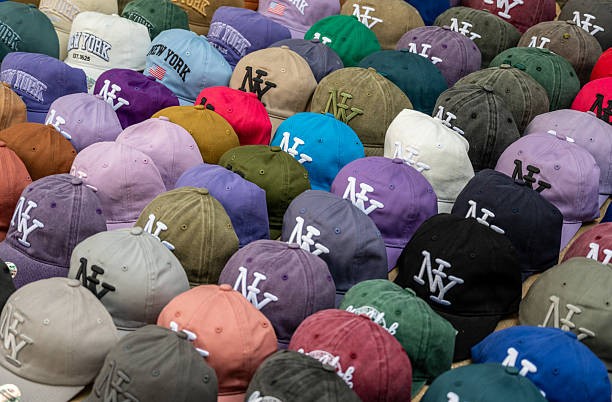
Embroidery creates designs by stitching thread directly into fabric, building up layers that create texture and dimension. This method works exceptionally well for corporate wear, uniforms, hats, and any items where you want a premium, long-lasting appearance. The raised surface of embroidered designs communicates quality and professionalism, making it the standard choice for business logos on dress shirts, polos, and outerwear.
The durability of embroidery stands out as one of its greatest advantages. Properly executed embroidered designs withstand hundreds of wash cycles without fading, cracking, or peeling. The thread becomes part of the garment itself, so the design maintains its appearance even after years of regular use. This longevity makes embroidery cost-effective for items that need to look professional over extended periods.
Best Applications for Embroidery
Embroidery shines on structured garments like polo shirts, button-downs, jackets, and caps. The technique handles small to medium-sized logos beautifully, particularly designs with clean lines and limited color changes. Many businesses choose embroidery for employee uniforms because the method conveys professionalism and stands up to daily wear. Golf shirts, fleece pullovers, backpacks, and towels all benefit from the dimensional quality embroidery provides.
Design Considerations for Embroidery
Not every design translates well to embroidery. Very small text, intricate details, and photographic images present challenges for thread-based reproduction. Designs with many color changes increase complexity and cost because each color requires a separate thread change. Simple, bold designs with fewer than eight colors typically produce the best embroidered results. Line weight matters too, as details thinner than certain measurements may not stitch clearly.
The Screen Printing Advantage: Vibrant Colors and Large Designs
Screen printing uses a different approach, pressing ink through mesh screens onto fabric surfaces. This method excels at producing bright, bold graphics with precise color matching. When you visit a screen printing shop in Orange CA, you discover this technique handles everything from simple one-color designs to complex multi-color artwork with photographic detail. The flat finish screen printing creates differs completely from embroidery’s raised texture.
The versatility of screen printing allows for larger design areas than embroidery typically handles. Full-chest prints, back designs, and sleeve graphics all work well with this method. Screen printing also accommodates special effects like metallic inks, glow-in-the-dark colors, puff printing for dimensional effects, and discharge printing that bleaches out fabric dye for soft, breathable results.
When Screen Printing Makes Sense
T-shirts represent the classic screen printing application, but the method works on almost any flat fabric surface. Sweatshirts, canvas bags, promotional items, and athletic wear all accept screen printed designs beautifully. Large orders become especially cost-effective with screen printing because setup costs get distributed across many pieces. Event shirts, promotional giveaways, and merchandise sales all benefit from the affordability screen printing offers at higher quantities.
Color and Detail Capabilities
Screen printing handles complex artwork better than embroidery in many situations. Gradients, fine lines, small text, and detailed illustrations all reproduce clearly with screen printing. The method also allows for precise Pantone color matching, important for brands with strict color standards. However, each color in the design requires a separate screen, so designs with many colors increase costs. Many screen printing shops in Orange CA offer simulated process printing for photographic images, using overlapping halftone screens to create full-color effects.
Comparing Costs and Order Quantities
Budget considerations often influence the choice between embroidery and screen printing. Embroidery typically costs more per piece because of thread costs and the time each item requires under the needle. A single embroidered item might cost anywhere from a few dollars to over twenty dollars depending on stitch count and complexity. However, embroidery pricing remains relatively stable regardless of order quantity since each piece requires similar production time.
Screen printing involves setup costs for creating screens, but once those screens exist, printing additional pieces becomes inexpensive. Small orders of screen printed items may cost more per piece than embroidery, but as quantities increase beyond certain thresholds, screen printing usually becomes the more economical choice. Many businesses order embroidered items for management and client-facing staff while using screen printed shirts for larger groups or promotional events.
Fabric Compatibility and Garment Selection
Different fabrics respond better to one method over the other. Embroidery works best on stable, tightly woven fabrics that can support the weight of thread without puckering. Cotton blends, pique knits, and canvas materials all embroider well. Very stretchy fabrics, sheer materials, and loosely woven textiles often pose challenges for embroidery and may work better with screen printing.
Screen printing adapts to almost any fabric type, though the ink selection varies based on material composition. Cotton and cotton blends accept standard plastisol or water-based inks beautifully. Polyester, nylon, and other synthetics may require specialty inks for proper adhesion and durability. Performance fabrics with moisture-wicking properties often screen print better than they embroider since embroidery can affect the fabric’s technical properties.
Combining Both Methods
Some projects benefit from using both embroidery and screen printing together. A jacket might feature an embroidered left-chest logo for a premium look while carrying a larger screen printed design on the back. This combination maximizes the strengths of each method while controlling costs. The dimensional embroidery adds perceived value to visible branding areas while screen printing handles larger, more colorful elements economically.
Durability and Maintenance Differences
Longevity matters when you invest in custom apparel. Embroidered designs generally outlast screen printed ones, maintaining their appearance through countless wash and wear cycles. The thread physically becomes part of the garment, so normal wear affects the entire item equally. Proper embroidery holds up to commercial laundry processes, making it ideal for uniforms that endure frequent, intensive washing.
Screen printed designs vary in durability based on ink type and application quality. High-quality plastisol inks properly cured can last many years with proper care. Water-based inks create softer prints that breathe better but may fade slightly faster than plastisol. Following care instructions matters more with screen printing, as high heat, harsh detergents, and rough handling can reduce print life. Most quality screen printed items still provide excellent value, lasting through years of regular use when cared for appropriately.
Making Your Decision: Project-Specific Factors
Your specific needs should drive the choice between embroidery and screen printing. Consider the garment type first. Structured items like polos and caps lean toward embroidery, while t-shirts and sweatshirts often work better with screen printing. Next, evaluate your design complexity. Simple logos with few colors suit embroidery, while detailed artwork with many colors favors screen printing.
Order quantity affects cost efficiency significantly. Small runs of premium items benefit from embroidery’s consistent per-piece pricing, while larger orders achieve better value with screen printing. Think about the intended use as well. Corporate wear and uniforms gain professionalism from embroidery, while promotional items and event apparel achieve broad appeal through vibrant screen printing.
Final Thoughts on Choosing Your Decoration Method
Neither embroidery nor screen printing wins in every situation. Each method brings distinct advantages that make it the right choice for specific applications. Understanding these differences helps you select the technique that delivers the best combination of appearance, durability, and value for your particular project. Many successful businesses use both methods strategically, choosing embroidery for premium corporate wear and screen printing for larger promotional runs or casual team apparel.
Working with an experienced provider who offers both services gives you flexibility and expert guidance. Local shops understand the specific needs of Orange County businesses and can recommend the best approach for your goals. Whether you need embroidered polo shirts for your sales team or screen printed t-shirts for a community event, choosing the right method ensures your investment produces results that represent your brand well. Illwerk Studios offers both embroidery and screen printing services, helping businesses throughout Orange match the right technique to each unique project.
Frequently Asked Questions
How long does embroidery typically last compared to screen printing?
Embroidery generally lasts longer than screen printing because the thread becomes integrated into the fabric itself. A quality embroidered logo can remain intact and vibrant through hundreds of wash cycles, often outlasting the garment. Screen printing durability varies by ink type and quality, but professional screen printed designs typically last several years with proper care. Both methods provide excellent longevity when executed properly, though embroidery edges ahead for items subjected to frequent commercial laundering.
What is the minimum order quantity for screen printing versus embroidery?
Embroidery shops often accept smaller minimum orders, sometimes as few as one or two pieces, because each item gets decorated individually without significant setup costs. Screen printing typically requires higher minimums, often starting around 12 to 24 pieces, because the cost of creating screens only becomes economical when spread across multiple items. Some shops offer digital printing for very small runs when screen printing minimums pose challenges.
Can you wash embroidered and screen printed items the same way?
Embroidered items generally tolerate regular washing with few special considerations, as the thread withstands normal laundry conditions well. Screen printed garments benefit from gentler care, including washing inside-out in cold water and avoiding high-heat drying when possible. Both decoration methods last longer when you skip fabric softeners and harsh detergents. Always follow the care instructions provided with your custom apparel to maximize the life of the decoration.
Which method works better for detailed company logos with small text?
Screen printing usually handles fine details and small text better than embroidery. The ink can reproduce thin lines and small lettering more precisely than thread, which has physical thickness limitations. Embroidery works best with designs where text is at least a quarter-inch tall and line weights remain substantial. For logos with intricate details or very small elements, screen printing typically produces clearer, more readable results.
Is it possible to get both embroidery and screen printing on the same garment?
Yes, combining both methods on a single garment creates versatile branding opportunities. Many businesses use embroidery for small left-chest logos to convey professionalism while adding larger screen printed designs on the back or sleeves for greater visibility. This combination maximizes the visual and practical benefits of each technique. Just keep in mind that using both methods increases per-piece costs since each decoration process requires separate setup and production time.








Leave a comment