






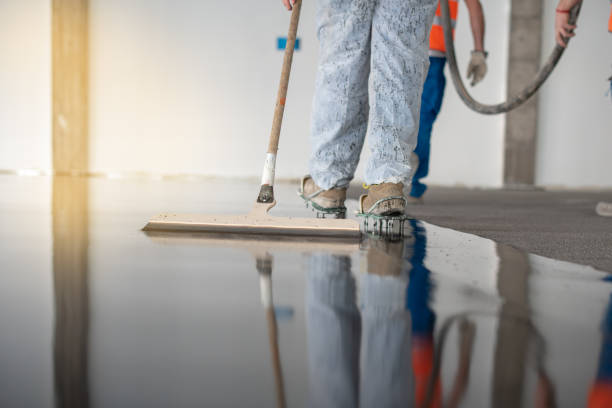
Your floors take a beating every single day. From foot traffic and furniture moves to spills and pet accidents, they endure constant wear that eventually shows. Whether you’re considering new floors or dealing with damage to your existing ones, understanding the differences between installation and repair helps you make smarter decisions for your Atlanta home. The right Flooring Contractor in Atlanta, GA can transform your space or restore what you already have, but knowing when each service makes sense saves you time and money.
Atlanta homeowners face unique flooring challenges. Our humid summers can wreak havoc on hardwood. Temperature swings stress laminate seams. High traffic areas in busy households show wear faster than you’d expect. This guide walks you through everything you need to know about professional floor installation service in Atlanta, GA and when flooring repair in Atlanta, GA becomes the smarter choice. You’ll learn what to expect from each service, how to spot problems early, and how to choose the right approach for your situation.
Understanding Floor Installation Services
A floor installation service in Atlanta, GA involves completely removing old flooring and installing new materials from scratch. This includes proper subfloor preparation, moisture barrier installation where needed, and precise laying of your chosen flooring material. Professional installers handle everything from moving furniture to hauling away old materials, leaving you with a finished floor ready for use.
The installation process varies significantly based on material type. Hardwood installation requires acclimation time, precise nail placement, and careful sanding and finishing. Tile work demands perfect leveling, proper spacing, and skilled grouting. Luxury vinyl plank installations need flawless subfloor prep to prevent telegraphing imperfections. Each material has its own timeline, typically ranging from one day for vinyl to several days for hardwood when you factor in finishing time.
When New Installation Makes Sense
New installation becomes necessary when your current floors are beyond reasonable repair. If you’re seeing extensive water damage across multiple rooms, widespread scratching and gouging, or outdated materials like asbestos tiles, replacement is your best option. Homeowners also choose new installation when renovating, changing their home’s style, or upgrading to more durable or modern materials.
Budget considerations matter here. While installation costs more upfront than repairs, it gives you decades of use from brand new materials. You also get to choose exactly what you want, from material type to color and finish. For Atlanta homeowners dealing with older homes where the flooring has simply reached the end of its usable life, installation is an investment that adds real value.
Common Flooring Problems That Need Repair
Flooring repair in Atlanta, GA addresses specific damage without replacing entire floors. Understanding common problems helps you catch issues early, before they require full replacement. Atlanta’s climate creates particular challenges that show up in predictable ways across different flooring types.
Hardwood Floor Issues
Hardwood floors in Atlanta often develop gaps between boards as humidity drops in winter, then cup or crown when summer moisture returns. Minor cupping sometimes self-corrects with seasonal changes, but persistent warping needs professional attention. Scratches, dents, and worn finish in high traffic areas are perfect candidates for spot repairs. Water stains from plant pots or pet accidents can usually be sanded and refinished without replacing boards.
Tile and Grout Problems
Cracked tiles happen, especially in older Atlanta homes where settling occurs. Single broken tiles can be replaced without disturbing surrounding areas if you have matching tiles or can find close matches. Grout deterioration is even more common. Crumbling or discolored grout between tiles makes your floors look neglected and allows moisture underneath. Professional grout repair and resealing restores appearance and protection.
Laminate and Vinyl Damage
Laminate planks sometimes separate at seams or develop surface scratches and chips. Individual damaged planks can often be replaced if the installation method allows it. Vinyl flooring might tear, develop bubbles from trapped moisture, or show permanent indentations from heavy furniture. Many vinyl repairs are straightforward for experienced contractors, extending your floor’s life significantly.
How Professional Repair Services Work
Professional flooring repair in Atlanta, GA starts with accurate assessment. A skilled flooring contractor in Atlanta, GA examines not just the visible damage but underlying causes. That water stain on your hardwood might indicate a plumbing leak that needs fixing first. Those separated laminate seams could signal subfloor moisture problems.
Once the contractor identifies the issue, they’ll explain your options. Sometimes repairs involve refinishing sections of hardwood to blend with surrounding areas. Other times contractors replace individual damaged boards, tiles, or planks. The goal is making repairs invisible, so the fixed area matches the rest of your floor perfectly. This requires skill, proper tools, and often creativity in sourcing matching materials for older installations.
Timeframes for repairs are generally much shorter than installation. Many repair jobs finish in a few hours to a day, with minimal disruption to your household. Hardwood refinishing takes longer because finish coats need drying time between applications. The cost difference between repair and replacement is substantial, making repairs attractive when your overall floor condition remains good.
Choosing Between Repair and Replacement
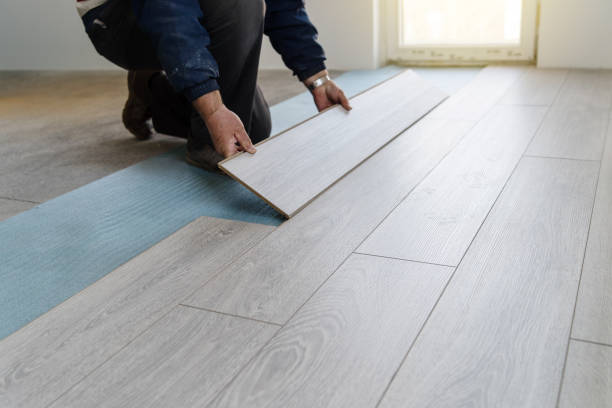
This decision often confuses homeowners. Here’s a practical framework. If damage affects less than 30 percent of your floor and the undamaged areas remain in good condition, repair makes financial sense. If you’re dealing with widespread problems, outdated materials, or floors that have already been repaired multiple times, investing in new installation provides better long-term value.
Consider your timeline too. Need floors ready for a quick home sale? Strategic repairs might be your best bet. Planning to stay in your home for years? Quality Floor Installation Service in Atlanta, GA gives you fresh floors that last decades. Also think about your overall renovation plans. If you’re updating your entire home’s look, new flooring lets you coordinate colors and styles throughout.
Material Longevity Factors
Different materials age differently in Atlanta’s climate. Solid hardwood can be refinished multiple times over its lifetime, making repairs worthwhile even on older floors. Engineered hardwood has limits on how many times you can sand and refinish it. Laminate cannot be refinished at all, so once the wear layer is damaged, replacement is inevitable. Quality tile floors last indefinitely with proper maintenance, making individual tile replacement a smart choice.
What to Expect From Professional Contractors
Professional contractors bring expertise that prevents costly mistakes. They understand Atlanta building codes, proper moisture management techniques for our climate, and how different materials perform in Georgia homes. During consultations, expect detailed questions about your lifestyle, traffic patterns, pets, and maintenance preferences. This information guides material recommendations and installation methods.
Reputable contractors provide written estimates breaking down materials, labor, and timeline. They explain warranty coverage for both materials and workmanship. For repairs, they should show you the damage, explain what caused it, and outline steps to prevent recurrence. For installations, expect material samples, underlayment options, and transition piece discussions. Communication throughout the project keeps you informed as work progresses.
Quality contractors also handle the details homeowners often overlook. They protect surrounding areas during work, manage dust control, coordinate material deliveries, and dispose of old materials properly. These seemingly small things distinguish professional service from cut-rate alternatives that leave you dealing with messes and missing pieces.
Maintaining Your Floors After Service
Whether you choose repair or installation, proper maintenance extends your investment. Hardwood needs regular cleaning with appropriate products and periodic refinishing every seven to ten years depending on traffic. Tile requires grout sealing to prevent moisture damage and staining. Luxury vinyl benefits from felt pads under furniture legs and immediate cleanup of spills.
Atlanta’s humidity swings demand attention too. Running dehumidifiers in summer and humidifiers in winter keeps hardwood stable. Area rugs in high traffic zones reduce wear on all flooring types. Door mats trap dirt and grit before they scratch your floors. These simple habits dramatically extend the time between repairs or replacement.
Making the Right Choice for Your Home
Your floors represent a significant investment in your home’s comfort and value. Understanding when you need repair versus replacement helps you spend wisely. Start by honestly assessing your floor’s condition. Take photos of problem areas from multiple angles. Note when damage first appeared and whether it’s spreading. This information helps contractors give accurate recommendations.
Get multiple opinions from experienced professionals. A trustworthy flooring contractor in Atlanta, GA will tell you honestly whether repair or replacement makes more sense for your situation. They won’t push unnecessary services because their reputation depends on customer satisfaction and long-term results. Companies like First Call Flooring have built their business on this kind of straightforward advice, helping Atlanta homeowners make informed decisions about their flooring needs.
Frequently Asked Questions
How long does professional floor installation typically take in an Atlanta home?
Installation timeframes vary by material and room size. Luxury vinyl plank installations often complete in one to two days for average rooms. Tile work takes two to four days including grout curing time. Hardwood installation requires three to five days when you include acclimation time and finishing. Your contractor should provide a specific timeline based on your project scope and material choices.
Can I repair just one damaged section of hardwood flooring without it looking obvious?
Yes, skilled contractors can blend repairs seamlessly with existing floors. They match wood species, board width, and finish carefully. For worn areas, feathering the refinishing into surrounding boards makes transitions invisible. For board replacement, contractors may pull replacement boards from closets or other hidden areas to ensure perfect matching. The key is working with experienced professionals who understand blending techniques.
What causes gaps between hardwood floor boards and do they need immediate repair?
Gaps typically result from humidity changes causing wood to contract. Small seasonal gaps under an eighth inch are normal in Atlanta’s climate and usually close up when humidity returns. Larger gaps or ones that remain year-round suggest installation issues or excessive moisture loss. Monitor gaps through a full seasonal cycle before deciding on repairs. Persistent large gaps may need board replacement or professional refinishing to close them properly.
Is it worth repairing laminate flooring or should I just replace it?
This depends on damage extent and your laminate’s age. Minor edge damage or single plank issues are worth repairing if your floor is relatively new and you like the style. Widespread damage, water infiltration affecting multiple planks, or worn surface layers make replacement smarter. Laminate cannot be refinished like hardwood, so once the wear layer is compromised, that section needs replacement. Get a professional assessment to understand your specific situation.
How do I know if water damage requires repair or complete floor replacement?
Water damage severity determines the answer. Surface stains on hardwood can often be sanded and refinished. Cupping that persists after the source is fixed and the floor dries may require board replacement. Black staining indicating mold, severely buckled sections, or damage affecting the subfloor typically require replacement. A professional inspection reveals what’s happening beneath the surface. Never ignore water damage since it worsens rapidly and can create health hazards if mold develops.








Leave a comment