






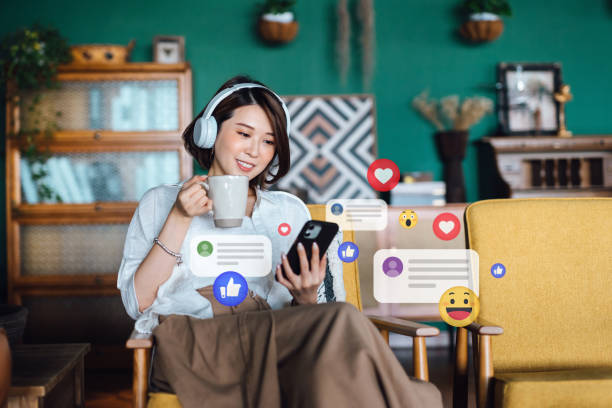
Digital entertainment has quietly become the default way most people unwind, connect, and even learn. Whether you’re watching a show during dinner, scrolling short clips in line at the grocery store, or tuning into a live stream after work, the shift is obvious: entertainment is no longer limited to a living room screen. Instead, it’s everywhere, all the time, and increasingly designed around you. That’s why understanding digital entertainment trends matters—not just for tech lovers, but for anyone who taps play on a daily basis.
Meanwhile, the definition of entertainment keeps expanding. Today’s online entertainment includes video streaming, podcasts, social media entertainment, cloud gaming, interactive content, and creator-led communities. At the same time, streaming platforms and OTT services are evolving fast, competing not only on catalog size but also on personalized recommendations, features, pricing, and experience quality. As a result, the next era won’t be about more content alone—it will be about smarter, more immersive, and more participatory digital content consumption.
1) From Watching to Choosing: Streaming Gets More Personal
Streaming platforms used to feel simple: open an app, pick a title, press play. However, the experience has shifted into something more tailored and algorithm-driven. Because viewers now face endless choices, platforms are refining discovery so people spend less time browsing and more time enjoying. Consequently, personalized recommendations are becoming the real battleground.
At the same time, OTT services are experimenting with new formats—interactive episodes, bonus clips, behind-the-scenes add-ons, and social features that make entertainment feel communal rather than isolated. Additionally, subscription-based entertainment is being rethought through bundles, tiered plans, and ad-supported options that try to match different budgets.
Quick snapshot of what’s changing
- More “because you watched…” rows that actually make sense
- Smarter profiles for households with mixed tastes
- Better content previews and interactive trailers
- Stronger recommendation systems shaped by watch-time behavior
These shifts are among the biggest digital entertainment trends because they influence what becomes popular—and what gets ignored.
2) Short-Form Video Isn’t a Phase—It’s a Main Stage
Short-form video has become the quickest hit of entertainment on the planet. Because it’s designed for speed, it fits modern attention spans and mobile lifestyles perfectly. Yet, it’s not just memes and dances anymore. Increasingly, short clips are shaping music launches, movie promotions, comedy careers, and even storytelling.
Moreover, creators are turning short-form series into full entertainment franchises. For instance, a character sketch can evolve into a community, and then into longer episodes on other platforms. As a result, the creator economy keeps gaining power, and traditional studios are paying attention.
Still, short-form doesn’t replace long-form. Instead, it acts like a gateway. People discover trends through short clips and then move to full shows, albums, or live streaming. That bridge—between quick discovery and deeper viewing—is one of the most important digital entertainment trends right now.
Why short-form keeps winning
- It’s snackable and shareable
- It thrives on social media entertainment loops
- It’s easy to personalize and recommend
- It turns viewers into participants through comments and remixes
3) Live Streaming Turns Entertainment into a Shared Moment
Recorded video streaming is convenient. However, live streaming is electric because it creates a “you had to be there” vibe. Whether it’s gaming, music, talk shows, sports commentary, or influencer hangouts, live formats keep audiences engaged longer—especially when chat and real-time reactions are part of the experience.
Additionally, live streaming is blending with shopping, events, and community building. Creators can host watch parties, Q&As, or live challenges while fans interact directly. Consequently, entertainment feels less like broadcasting and more like belonging.
This is also where interactive content becomes central. Viewers can vote, influence outcomes, or unlock different camera angles. Therefore, instead of only consuming digital entertainment, audiences can shape it.
Live formats are a core piece of digital entertainment trends, because they keep attention locked in—and attention is the new currency.
4) Immersive Experiences: VR And AR Move Beyond “Gimmick.”
Virtual reality entertainment and augmented reality entertainment have spent years in the “cool demo” category. Yet, that’s changing. As hardware improves and content ecosystems mature, immersive experiences are becoming more practical, social, and entertaining.
For example, VR can create concerts where you stand in the front row with friends who live in different countries. Meanwhile, AR can overlay game elements on the real world or add interactive layers to live events Entertainment. In addition, immersive storytelling allows viewers to explore scenes rather than watch them.
Still, adoption depends on convenience. If devices get lighter, cheaper, and easier to use, then immersive entertainment could become as normal as headphones. Because of that, this area remains one of the most-watched digital entertainment trends.
Where immersive is headed next
- Social VR hangouts and events
- AR filters evolving into mini-games and narrative tools
- More immersive experiences tied to franchises and esports
- Better integration with mobile entertainment
5) AI-Generated Content Changes How Entertainment Is Made
AI-generated content is already influencing entertainment—sometimes visibly, sometimes quietly. While fully AI-made movies aren’t mainstream yet, AI tools are shaping editing, scripting support, localization, music creation, and visual effects workflows. Therefore, content may arrive faster, in more languages, and with more personalization.
However, the conversation isn’t only about speed. It’s also about ethics, originality, and trust. Audiences want transparency, and creators want protection. As a result, expect clearer labeling, platform rules, and evolving industry standards.
At the same time, personalized recommendations often rely on AI, which means the next era will feel increasingly curated. Yet, if algorithms get too narrow, people may miss variety. So, platforms will need to balance comfort and discovery.
This is one of those digital entertainment trends that will affect everyone—even if you never think about the technology behind the scenes.
How Entertainment Habits Are Shifting
| Then (Old Normal) | Now (Current Reality) | Next (What’s Coming) |
| Cable schedules | On-demand video streaming | Flexible bundles + smarter tiers |
| “Top 10” lists | Personalized recommendations | Mood-based + context-aware feeds |
| Movies & TV only | Creator economy + social media entertainment | Creator-led studios and IP |
| Watching alone | Live streaming + communities | Shared immersive experiences |
| One screen | Mobile entertainment everywhere | Cross-device continuity |
6) Mobile Entertainment Becomes the Default Screen
For many people, the main screen is no longer a TV—it’s a phone. As a result, mobile entertainment is shaping everything from episode length to interface design to how content is marketed. Moreover, vertical-first video and fast-loading formats are becoming essential, especially in regions where mobile data is the primary connection.
At the same time, digital content consumption patterns show that audiences want entertainment that adapts to their day. Consequently, platforms are optimizing downloads, background play, and low-data modes. Even big-budget entertainment increasingly assumes you’ll start on your phone and continue somewhere else.
What you’ll notice more often
- “Continue watching” across devices with smoother handoffs
- Mobile-first bonus clips, after shows, and short spin-offs
- More interactive content designed for touch and swipe
- Easier sharing in social media entertainment ecosystems
This shift is one of the strongest digital entertainment trends because it changes how content is produced—right down to pacing, framing, and storytelling.
7) Cloud Gaming and “Play Anywhere” Entertainment
Gaming is no longer limited to consoles and high-end PCs. With cloud gaming, the idea is simple: stream the game like video streaming. Therefore, more people can access premium titles without buying expensive hardware. Although performance depends on internet quality, improvements in networks and devices are pushing cloud gaming forward steadily.
Additionally, cloud gaming connects naturally with subscription-based entertainment models. Instead of purchasing individual titles, users may pay for access to libraries, similar to how OTT services work. Over time, this could reshape the business of gaming just as streaming reshaped film and TV.
Cloud gaming also strengthens the one ecosystem future: watch a show, then jump into a game adaptation, then join a live streaming session about it—all in one platform orbit. That convergence is at the heart of digital entertainment trends.
Where cloud gaming fits best
- Casual players who don’t want hardware upgrades
- Mobile entertainment fans who want console-like experiences
- Households sharing devices and screens
- Social play experiences tied to creators and communities
8) Esports and Competitive Viewing Go Mainstream
Esports are no longer niche. It’s structured, scheduled, and built for audiences who love both competition and community. Meanwhile, the viewing experience is improving: better commentary, multiple viewing angles, highlights, and real-time stats make it easier for newcomers to follow.
In addition, esports are strongly linked to the creator economy. Many fans don’t just follow teams—they follow personalities. Consequently, esports growth is fueled by streamers, short clips, and social media entertainment moments that turn competitive play into shareable stories.
As esports expands, it also changes what “sports entertainment” looks like online. Because younger audiences often watch esports the same way older audiences watch traditional sports, this becomes one of the most influential digital entertainment trends for the next decade.
Why esports keep growing
- Built-in community + live streaming culture
- Constant content: matches, practice, highlights, reactions
- Strong mobile entertainment reach via clips and recaps
- Crossovers with music, fashion, and pop culture
9) Subscription Fatigue and the Rise of Bundles
People love choice—until there’s too much of it. As subscription-based entertainment spreads across streaming platforms, OTT services, music, games, and premium creator communities, many users feel “subscription fatigue.” Because budgets are real, audiences increasingly rotate services, share plans, or choose ad-supported tiers.
Therefore, bundling is returning—just in a new form. Expect more partnerships: streaming + music, video + gaming, or “creator perks” included in platform memberships. Additionally, platforms are experimenting with flexible pricing, seasonal passes, and smaller add-ons rather than one rigid monthly fee.
This shift matters because it affects what you can access and how long you keep it. In other words, the future of online entertainment will be shaped as much by pricing psychology as by content quality—another major digital entertainment trends driver.
What audiences want now
- Clear value (not endless upsells)
- Simple bundles that reduce decision fatigue
- Better family/household sharing options
- Less friction to pause, resume, or switch plans
10) Interactive Content Gets Smarter and More Social
Interactive content used to be rare. Now it’s spreading across genres: quizzes, branching stories, audience voting, live polls, and community-driven challenges. Because social platforms have trained us to react and respond instantly, passive entertainment can feel incomplete for many viewers.
In the next era, interactive content will likely connect with streaming platforms more deeply. For example, a show could include optional “character paths,” fan-voted episodes, or mini-games that unlock extra scenes. Meanwhile, live streaming will continue to refine interactive layers, blending entertainment with participation.
This is where immersive experiences also come back into the picture. When VR and AR become easier to adopt, interactive entertainment won’t just be clicking choices—it’ll be stepping inside worlds. Put simply, participation is becoming the expectation, and that’s one of the biggest digital entertainment trends shaping the future.
Examples of interactive evolution
- Live polls that influence outcomes in real time
- “Choose your path” storytelling with better writing depth
- Community quests tied to creator economy fandoms
- AR layers during events, concerts, and sports broadcasts
11) The Creator Economy Evolves into Full-Scale Studios
Creators are no longer just influencers. Many operate like small production companies with teams, schedules, merchandising, and brand partnerships. Additionally, fans often feel closer to creators than to traditional celebrities because interaction is direct—comments, live chat, DMs, memberships, and behind-the-scenes access.
Consequently, creators are becoming a parallel entertainment industry, not a side category. And because short-form video and live streaming power discovery, creators can build massive audiences without traditional gatekeepers.
We’ll also see a shift in formats:
- More creator-led series are released in seasons
- Higher production quality without losing authenticity
- Cross-platform storytelling: clips → streams → long-form shows
- Paid communities integrated into subscription-based entertainment
The creator economy is central to digital entertainment trends because it changes who gets to be “a studio” and how audiences choose what to watch.
12) Digital Content Consumption Becomes Ambient
In the past, entertainment was an activity you planned. Now it’s something that fills the gaps in life. People consume content while cooking, commuting, exercising, or winding down. Therefore, entertainment becomes more ambient—always available, always adaptable.
This is where personalized recommendations and AI-generated content tools quietly shape experience. For instance, platforms may suggest content based on time of day, how long you have, or what device you’re using. Meanwhile, audio and video formats will blur: talk shows become podcasts, podcasts become video shows, and highlights become short-form video.
Additionally, augmented reality entertainment could make content more layered onto real life—filters, overlays, mini-scenes, and interactive moments that ride on top of your environment. This is a future built around convenience, and it’s one of the most practical digital entertainment trends you’ll feel every day.
Quick Catchy Checklist: How to Spot the Next Wave Early
If you want to keep up without doing homework, watch for these signs:
- A streaming platform pushes community features (watch parties, comments, reactions)
- A show or event includes interactive content by default
- More titles launch with short-form video “companions”
- Cloud gaming grows within broader subscriptions
- Esports coverage looks more like mainstream sports broadcasts
- Mobile entertainment experiences get premium-first treatment
If you’re seeing these, you’re already living the next chapter of online entertainment—and these digital entertainment trends are accelerating.
Follow the Platform
The next era of digital entertainment won’t ask you to fit into a platform. Instead, platforms will bend around you: your screen, your schedule, your friends, and your mood. Because streaming platforms, OTT services, cloud gaming, esports, immersive experiences, and creator-led entertainment are converging, entertainment is becoming more interactive, more personal, and more portable than ever. Visit Explores Everyday to get more information about future tech.
Watch a live stream instead of only a recorded show. Try a cloud gaming session on your phone. Explore an interactive episode. Follow a creator whose content feels like a mini-series. Then notice what holds your attention—and what doesn’t. That awareness is the easiest way to stay ahead of digital entertainment trends without feeling overwhelmed.
FAQs
What are the biggest digital entertainment trends right now?
Top digital entertainment trends include streaming platforms, short-form video, live streaming, interactive content, and mobile entertainment, plus cloud gaming, esports, and immersive experiences.
How are streaming platforms and OTT services changing?
Streaming platforms and OTT services are improving personalized recommendations, adding community features, and experimenting with interactive formats to reduce browsing and increase engagement.
Will VR and AR become mainstream entertainment?
Virtual reality entertainment and augmented reality entertainment will grow as devices get cheaper and easier, enabling immersive experiences like events, games, and interactive storytelling.
How does AI-generated content affect online entertainment?
AI-generated content speeds production, improves localization, and powers discovery via recommendations; however, platforms are also adding rules to protect originality and trust.
What is cloud gaming, and why is it important?
Cloud gaming streams games like video streaming, reducing hardware needs and supporting play-anywhere habits, often bundled into subscription-based entertainment services.













Leave a comment