







Entertainment has never been more competitive. People can jump from a blockbuster trailer to a 10-second meme, then to a live stream—without thinking twice. Because of that, entertainment brands can’t rely on “good content” alone anymore. Instead, they need a reliable system for keeping attention, earning trust, and creating repeat excitement. That’s where audience engagement strategies come in—not as a buzzword, but as a practical playbook.
And here’s the good news: whether you’re running a movie studio campaign, a music label rollout, a streaming series launch, a sports team’s digital presence, or a creator-led brand, the fundamentals of audience engagement still work. The difference is how you combine them into a consistent content strategy, and how well you listen to your fan communities along the way.
Let’s break down what’s working right now in digital entertainment, and how you can apply it without sounding corporate or forced.
1) Understand The “Why” Behind Your Fans, Not Just The “Who”
Most entertainment marketers segment by age, region, or platform. However, those filters don’t explain what truly drives loyalty. Fans don’t stick around because they’re in a demographic—they stay because you deliver an emotional payoff: identity, belonging, nostalgia, excitement, status, or comfort.
So, before building audience engagement strategies, define the fan motivation for your brand. For example, fans of a superhero franchise may crave speculation and theories, while fans of a comedy creator may want daily light relief and comment-section banter.
To make this actionable, map motivations to content formats:
- Identity → merch drops, badges, “I’m part of this” social templates
- Belonging → fan shoutouts, community polls, inside jokes
- Status → early access, VIP live events, exclusive behind-the-scenes
- Curiosity → teasers, lore threads, “what you missed” recaps
- Comfort → predictable series formats, recurring characters, routine uploads
Because of that, your brand storytelling becomes less about what you want to say and more about what fans want to feel. And when you get that right, audience retention rises naturally.
2) Use Interactive Content That Makes the Audience Part of the Story
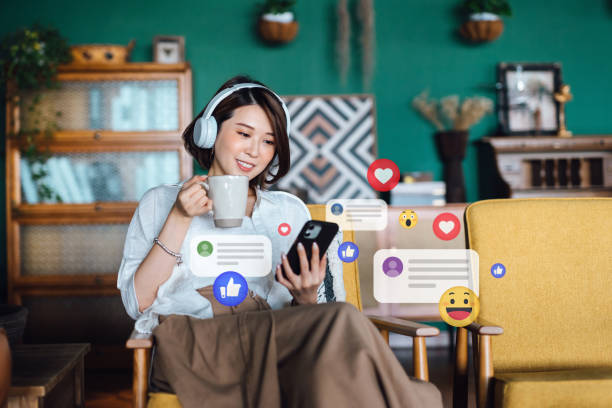
Passive watching is easy. Participation is sticky. That’s why interactive content is one of the fastest ways to improve fan engagement—especially when attention spans are short, and options are endless.
Interactive formats work because they create micro-commitments. A fan who votes, predicts, comments, or submits something is no longer “just browsing.” They’re investing.
Here are interactive ideas entertainment brands can deploy quickly:
- Choose the poster polls for upcoming releases
- Fan theory prompts on episodic content
- Character quizzes with shareable results
- Countdown challenges for premieres
- Live Q&A prompts that shape the next segment
- Comment-to-unlock bonus clips or extra scenes
Additionally, interactive design supports smarter content distribution. When fans share quizzes or results, your reach expands across feeds without extra ad spend.
Done right, these audience engagement strategies feel like play, not marketing. That’s the goal.
3) Build Cross-Platform Promotion That Feels Seamless, Not Spammy
The typical brand mistake is reposting the same asset everywhere. Instead, treat each platform as a different “room” in the same house. Your job is to guide fans through the rooms while keeping the vibe consistent.
A strong cross-platform promotion approach connects platforms with purpose:
- TikTok = discovery and trend participation
- Instagram = visuals, highlights, community touchpoints
- YouTube = longer video content, recaps, interviews
- X (Twitter) = real-time conversation and social listening
- Discord/Reddit = deeper fan communities and ongoing discussion
- Streaming platforms = main event plus curated extras
So rather than copying, adapt. For example, tease a moment on TikTok, extend it with a behind-the-scenes cut on YouTube, and then spark conversation using a poll on Instagram Stories. Meanwhile, a Discord channel can host episode theory threads and fan art prompts.
This is where audience engagement strategies become a system. As a result, your social media engagement doesn’t rely on luck—it’s engineered.
4) Make User-Generated Content A Core Engine, Not A Side Quest
People trust people more than brands. That’s why user-generated content (UGC) can outperform polished studio assets, especially in entertainment marketing. However, UGC isn’t “free content”—it’s community fuel. It signals that your audience matters enough to be featured.
To activate UGC successfully, provide structure. Fans want prompts, not vague requests.
Try formats like:
- Recreate this scene challenges
- Duet/react chains to trailers or songs
- Fan art spotlights with themed weeks
- Cosplay showcases tied to live events
- “Your ranking” templates for episodes, characters, albums
- Fan review reels stitched into official compilations
Importantly, always reward participation. That can be as simple as crediting creators, reposting consistently, or featuring them in a weekly roundup. Over time, it supports community building, strengthens emotional connection, and increases customer loyalty.
These audience engagement strategies work best when your brand behaves like a fan-first curator rather than a loud advertiser.
5) Use Live Events to Create Moments Fans Don’t Want to Miss
A moment beats a post every time. Live formats create urgency, and urgency creates attention. That’s why live events—from livestreams to watch parties—remain powerful for audience engagement and fan engagement.
Live doesn’t have to mean stadium-level production. It can be simple, repeatable, and interactive:
- Live countdown shows before releases
- Cast or creator livestreams with moderated fan questions
- Virtual watch parties with live commentary
- Fan call-ins, voice notes, or live polls
- Behind-the-scenes set tours or studio sessions
- Surprise drops revealed live
Additionally, live formats support social listening. You’ll quickly learn what fans care about, what confuses them, and what they’re excited to share. Then, you can turn that feedback into your next wave of content.
When used intentionally, these audience engagement strategies don’t just “boost engagement.” They strengthen audience retention by turning content into an experience.
What Fans Want Vs. What Brands Often Post
Here’s a simple table that highlights the gap—and how to close it.
| Fans Typically Want | Brands Often Post | Better Engagement Move |
| A feeling of belonging | Generic promo graphics | Community prompts + fan spotlights |
| Behind-the-scenes access | Overproduced ads | Raw, human moments + creator POV |
| Conversation and recognition | One-way announcements | Polls, replies, Q&As, social listening |
| Continuity and routine | Random posting bursts | Consistent content strategy calendar |
| Participation | “Go watch now!” | Interactive content + UGC challenges |
Because of that, the win is usually not more content. It’s smarter content—guided by audience engagement strategies that match fan psychology.
6) Blend Influencer Partnerships with Authentic Fan Culture
Influencer partnerships can be incredible—if they feel real. If they feel forced, they flop fast. The difference is whether the influencer already fits the culture of your entertainment brand.
Instead of only paying for reach, pay for relevance. Look for creators who naturally align with your genre, tone, and community norms. Then, co-create content rather than handing them a stiff script.
High-performing partnership formats include:
- “First reaction” or trailer breakdown videos
- Behind-the-scenes set visits through creator POV
- Creator-hosted watch parties
- Fan challenge kickoffs
- Mini-games, quizzes, or lore explainers
- Creator-led interviews with cast or artists
When done well, these audience engagement strategies build trust while expanding reach. Furthermore, they help new audiences enter your ecosystem without feeling like they’re being sold to.
7) Personalize Content Without Getting Creepy
Personalization is one of the most reliable levers in digital entertainment. Yet, it’s also where brands mess up—either by doing nothing, or by over-targeting in a way that feels invasive. The sweet spot is “helpful and relevant,” not “we’re watching you.”
Entertainment audiences naturally split into different interest clusters: character loyalists, soundtrack fans, meme-makers, lore hunters, casual viewers, and completionists. Because of that, the best audience engagement strategies include lightweight personalization that respects privacy while still feeling tailored.
Practical ways to do it:
- Segment by behavior, not identity: “Watched episode 1–2” vs. “fans aged 18–24”
- Create “If you liked X, try Y” recommendations across your streaming platforms
- Publish alternate cuts: short recaps for casual fans and deep dives for lore-heavy fans
- Run “character-first” content feeds: each character gets their own mini narrative stream
- Send opt-in reminders for drops, premieres, and live events
Additionally, use personalization to support audience retention after the initial hype. People don’t churn because they hate your content; they churn because they forget you exist. Smart reminders and curated pathways help keep the connection alive.
Used thoughtfully, personalization becomes a long-term relationship tool—one of those audience engagement strategies that quietly raises watch time, repeat visits, and loyalty.
8) Add Gamification to Turn Engagement into a Habit
Entertainment is already playful, so gamification fits naturally. The key is to make it easy, rewarding, and social. Fans don’t want a complicated points system; they want recognition, progress, and a sense of “I’m in on this.”
Gamification works especially well when you build “missions” around content releases. For example, before a premiere, fans can unlock assets or badges. Then, after release, they can earn status by participating in discussions, creating memes, or completing watch challenges.
Here are easy gamification formats:
- Weekly “fan quests” (watch, vote, comment, share, create)
- Badges for participation: “Theory Detective,” “Meme Machine,” “First Watch Crew”
- Leaderboards for community contributions (optional, and always friendly)
- Unlockable: exclusive wallpapers, filters, short clips, behind-the-scenes audio
- Streak-based challenges: “7 days of quotes,” “5 episodes, 5 reactions”
However, the real power is in the community. When gamification is tied to fan communities, it fuels community building and creates an emotional pull. Fans return not just for content, but for the shared ritual. That’s why gamification remains one of the most reliable audience engagement strategies—it converts “interest” into routine.
9) Create Brand Storytelling Arcs That Extend Beyond the Main Release
If your whole marketing plan is “announce → trailer → release → goodbye,” you’re leaving retention on the table. Strong brand storytelling uses arcs—mini narratives that stretch before, during, and after the release.
Think like a showrunner. Your marketing should have seasons too.
A simple arc structure:
- The Hook: tease the world, the vibe, the stakes
- The Build: introduce characters, conflicts, and fandom entry points
- The Moment: premiere week energy—live events, reaction content, community prompts
- The Afterglow: recaps, Easter eggs, behind-the-scenes, cast takes
- The Continuation: fan theories, spin-off content, creator collaborations
Because of that, your content strategy becomes a pipeline rather than a one-time blast. Furthermore, storytelling arcs help content distribution: each stage creates natural assets for different platforms.
This is one of those audience engagement strategies that makes entertainment marketing feel less like advertising and more like an ongoing experience people want to stay inside.
10) Make Video Content Your Format Backbone Across Platforms
Video is the language of modern entertainment. Even text-first communities now want clips, highlights, and proof-of-moment. Still, brands often waste time producing random videos without a repeatable structure. Instead, create a few dependable series formats that your audience recognizes instantly.
Effective video “pillars” might include:
- 30–60 second “What you missed” recaps
- “Inside the scene” breakdowns
- Cast/creator rapid questions
- Fan reaction compilations
- Top comments of the week” episodes
- Mini documentaries (short, human, and emotional)
Additionally, don’t treat video as a one-and-done asset.
Chop it intentionally forcross-platform promotion:
Long-form → short clips → quote cards → GIF moments → behind-the-scenes snippets.
This approach supports social media engagement, grows shareability, and keeps your visual identity consistent. It’s also one of the simplest audience engagement strategies to systematize—because once the template is built, execution gets faster.
11) Use Social Listening to Design Content Fans Actually Ask For
Many brands create content, then hope people care. Social listening flips it: you study what fans are already doing and build around that.
Social listening doesn’t mean staring at mentions all day. It means setting up a rhythm:
- Track repeated questions (“Wait… is that character actually…?”)
- Watch meme formats fans create
- Note which clips get re-shared most
- Identify what fans argue about (controversy = attention, if handled carefully)
- Observe drop-off points: when comments fade, when watch time dips
Then, turn those insights into content:
- Confusing plot point? Make a short explainer.
- Is a character trend rising? Spotlight them.
- Fans love a quote? Turn it into a recurring “quote of the week.”
Because of that, your audience engagement strategies stop being guesses and start being responses. And when fans feel heard, customer loyalty strengthens.
12) Turn Community Building into a Real “Home,” Not A Comment Section
Comments are fleeting. Communities are durable. If you want lasting audience retention, you need spaces where people return even when you’re not actively posting.
This is where fan communities matter: Discord, Reddit, fan forums, in-app communities, and even well-managed Instagram Close Friends or broadcast channels.
The goal isn’t “more members.” It’s a stronger culture.
Community tactics that actually work:
- Weekly rituals: polls, watch threads, meme Mondays, theory Fridays
- Community roles (mods, lore keepers, fan artists, welcome team)
- Clear norms: what’s allowed, what’s celebrated, what’s not tolerated
- Recognition loops: spotlight fans, feature creators, reward helpful members
- Community-first announcements before public posts (when appropriate)
Additionally, communities unlock better experiential marketing. You can test ideas, validate creative direction, and recruit ambassadors organically. Over time, community becomes one of the strongest audience engagement strategies because it creates belonging—the hardest thing for competitors to copy.
Engagement Moves That Compound Fast
If you’re building your next campaign, these are high-impact actions to prioritize:
- Create 2–3 recurring video formats (repeatable templates)
- Launch one interactive content element weekly (poll, quiz, prompt)
- Run a monthly UGC challenge with a clear theme
- Schedule at least one live event per major release moment
- Use social listening to shape the next week’s content
- Build one “community ritual” that fans can predict and join
These steps make entertainment marketing consistent—and consistency is what builds trust.
Turn Rented Attention into Loyal Fans
At the end of the day, attention is rented—but connection is earned. If you want fans who don’t just watch, but return, your job is to design participation, reward community, and keep the story alive between releases. If you want more guides, keep visiting Explores Everyday. Start tightening your audience engagement strategies now: personalize with care, add playful gamification, lean on video as your backbone, and build spaces where fans feel like they belong.
FAQs
1) What are the best audience engagement strategies for entertainment brands today?
The best audience engagement strategies combine interactive content, social media engagement, user-generated content, and live events, while using social listening to refine messaging and boost audience retention.
2) How can streaming platforms improve fan engagement without increasing budgets?
Streaming platforms can improve fan engagement by repurposing video content, running polls and quizzes, spotlighting fan communities, and using personalized content recommendations to strengthen emotional connection and customer loyalty.
3) How do you measure whether audience engagement strategies are working?
Track audience retention, comments, shares, saves, community growth, and repeat visits. Compare performance by content type and platform, then adjust content strategy and content distribution accordingly.












Leave a comment