






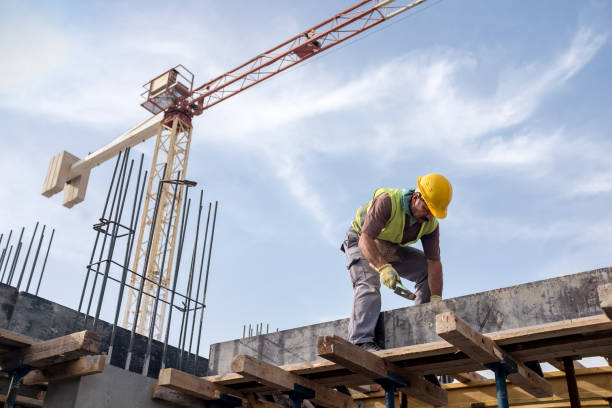
Drive past an active construction site, and you may notice something missing. It is not the cranes. It is not the concrete trucks. In fact, it is the people. Teams look smaller. Timelines look tighter. And foremen look tired. That is because construction labor shortages are changing how projects start, run, and finish.
At the same time, demand still shows up. New homes, repairs, schools, and roads still need hands. So, companies scramble to staff projects. Meanwhile, owners worry about delays and rising bids. This guide breaks everything down in simple terms. It shows what causes the shortage. It also explains what it does to schedules, costs, and safety, and shares smart ways the industry can respond. You will see the big picture, yet you will also get practical steps.
Why the Construction Labor Shortages Keep Growing?
Many trends stack up at once. So, the shortage feels bigger each year. More experienced workers retire. Meanwhile, fewer young people enter skilled trades jobs, and many workers switch industries for steadier hours.
In addition, the construction workforce faces tough conditions. Weather, travel, and physical strain wear people down. Therefore, turnover stays high. Also, some regions grow fast. So, local crews get stretched thin.
Another piece is training time. A strong electrician or plumber does not appear overnight. It can take years of practice. So, even when companies hire, skill gaps can remain. Many firms rely on the same small pool. That pool includes subcontractors and specialty crews. When the pool shrinks, every project competes for the same people. As a result, scheduling turns into a daily puzzle.
Who Feels the Pain First on a Project?
Short staffing hits early, and it hits unevenly. General contractors feel it during planning. They need reliable crews to lock a schedule. However, they often get “maybe” answers. So, they built extra time into the plan.
Subcontractors feel it when they must juggle many sites. A small team may bounce between projects. Therefore, one delay can ripple into others. Also, specialty work cannot always move around. For example, you cannot drywall before rough electrical.
Owners feel it too. They may see fewer bidders. They may also see longer lead times. Then, budget talks get tense. Even suppliers feel it. Less labor can mean uneven ordering. So, materials might arrive too early or too late. That wastes money and space. In short, labor is the glue. When it runs low, every part of the build must adjust.
Delays are Not Bad Luck Anymore
When teams run short, schedules slip. That sounds simple. However, the real impact stacks fast. One missed day can push inspections. Then, trades wait around. After that, the whole sequence shifts. That is why construction labor shortages often show up as long “in-between” gaps.
To make this clearer, here is a quick table. It shows common schedule issues and what they cause.
| What Happens | What Can It Lead To |
| The crew starts late | Inspection dates move |
| Smaller crew size | Slower daily progress |
| Trade no-shows | Other trades sit idle |
| Overtime push | Higher fatigue risk |
| Rushed closeout | More punch-list items |
So, delays become predictable, not random. Therefore, smarter scheduling matters more than ever. Many teams now plan for buffers. They also lock critical trades earlier. Still, no plan can fix a missing crew overnight. That is why staffing has become a top risk item.
Costs Rise, Even When Plans Stay the Same
Labor shortages often raise prices. Yet, the reason is not just higher pay. It is a chain reaction. When staffing stays tight, companies compete for workers. So, wages rise. In many areas, wage growth or prevailing wages also shape bids.
At the same time, slower production adds overhead. If a project lasts longer, equipment rentals last longer. Site supervision lasts longer, too. Therefore, the total cost rises even if the design stays unchanged. Also, missed schedules can trigger penalties. Some contracts include delay costs. Even without penalties, owners lose time. That can mean lost rent or delayed opening.
This is why construction costs feel so intense. It is not one big spike. There are many smaller bumps, repeated across months. Still, higher wages are not bad. They can help attract and keep talent. So, the goal is balance. Pay must support workers and project health.
Safety can Suffer When Teams Are Stretched
When staffing runs thin, teams may rush. They may also work longer hours. That raises risk. Even strong crews make mistakes when tired. So, safety needs extra attention during construction labor shortages. Rules and training also matter. Occupational Safety and Health Administration (OSHA) standards set clear expectations. However, new hires need time to learn them. So, companies must onboard well, even when schedules feel urgent.
Smaller crews can change how tasks get done. Workers might lift heavier loads. They might skip spotters. Or they might take shortcuts to “catch up.” That is when incidents can happen. The good news is that safety is manageable. Leaders can set a calm pace. They can also plan work in smaller steps. In addition, they can protect breaks and hydration.
The Training Pipeline Needs More Than Talk
The industry often says, “We need new workers.” That is true. However, the next step matters more. New workers need a clear path. That path often includes apprenticeship programs and trade schools or vocational education. These programs help people earn while they learn. They also build real skills on real sites. So, companies get talent that grows over time.
Here are practical ways the pipeline gets stronger:
- Partner with local trade schools or vocational education programs for jobsite visits
- Support paid Apprenticeship programs with mentors and clear goals
- Offer entry roles that lead to steady raises and skills
- Share honest job previews, so people know what to expect
- Celebrate skilled trades careers as long-term options
Unions and Collaboration Can Steady the System
Some regions lean on labor unions to keep talent flowing. Unions often run training centers. They also help workers move across projects. So, staffing can become more stable. That said, union and non-union firms both face shortages. Therefore, cooperation matters. In many markets, contractors share the same challenges. They need steady pipelines and safer sites.
Also, better planning helps subcontractors and general contractors work together. For example, early scheduling meetings reduces surprises. Then, crews can plan staffing weeks ahead. Another helpful move is better scope clarity. When drawings change late, labor planning breaks. So, clean decisions help crews show up ready.
Better communication builds trust. That trust matters when everyone competes for the same talent. When partners feel respected, they prioritize the relationship. In other words, collaboration becomes a real advantage during tight times.
Policy and Mobility Affect Who Can Work
Labor supply does not come only from local hiring. It also depends on movement. That includes moving across states. It also includes national policy. So, immigration policy & work visas can shape labor availability in many regions. During construction labor shortages, some firms look for workers who can relocate. Others look for visa pathways when allowed. Still, these routes can be complex. So, companies must follow the rules carefully.
Also, local policy can shape housing costs. If workers cannot afford to live near job sites, they may leave. Then, commute times grow. After that, burnout grows too. Therefore, workforce planning now includes “life planning.” Builders think about pay, yet they also think about stability. Some firms offer travel pay. Others offer housing support for remote jobs.
Technology helps, but it Does Not Replace People
Many firms now use Construction technology (ConTech) to do more with less. So, teams waste less time and avoid repeat work. Still, tech works best when it supports people, not when it tries to replace them. Also, when tools are simple, crews use them more often.
1. Better Planning and Smoother Scheduling
Digital planning tools help crews see the next steps clearly. As a result, General contractors can line up Subcontractors with fewer surprises. Also, quick schedule updates help everyone stay on the same page. For example, a trade lead can spot clashes early and shift tasks before a delay happens. Therefore, fewer people stand around waiting, and more work gets done each day.
2. Faster Building Through Prefab Options
Many builders now use Prefabrication / modular construction for repeat tasks. Therefore, parts can be built in a controlled shop setting and shipped ready to install. This often saves time on busy sites, especially when labor is tight. Also, crews can focus on assembly instead of starting from scratch. For instance, prefab wall panels or MEP racks can reduce onsite steps and speed up the sequence.
3. Simple Tools That Cut Rework
Some tools help teams catch mistakes sooner, which saves hours later. For example, digital checklists support quality and safety checks at the right time. Also, photo logs help prove what was done and when. So, fewer items slip through to the punch list. When rework drops, crews stay less stressed, and the jobsite feels more controlled.
Retention Matters More Than Hiring Now
Hiring is important. However, keeping good people matters even more. When a firm loses a trained worker, it loses time and knowledge. So, retention becomes a real strategy during construction labor shortages. First, leadership style matters. Workers stay when they feel heard. They also stay when plans feel realistic. Therefore, calm scheduling can reduce burnout.
Next, growth matters. Many workers want clear steps. They want to move from helper to lead. Or from apprentice to journeyman. So, training plans help, even for experienced staff. Also, jobsite culture matters. Respect reduces conflict. Clear roles reduce stress. Then, teams work better together.
Pay matters too, of course. Yet, money alone rarely fixes everything. People also want stable hours and safe sites. They want tools that work. They want supervisors who plan ahead. In short, the best hiring plan starts with keeping the team already in place.
The Next Chapter for Construction Looks Different
The industry cannot “wait it out.” Staffing challenges have become a long-term issue. Yet, there is a path forward. Better training, safer sites, and smarter planning can make a real difference. Tech can also reduce waste. So, the same crew can achieve more without burning out.
Most of all, builders can treat workers like the core resource they are. When companies invest in the construction workforce, they protect schedules and budgets, too. Owners can help as well. They can finalize decisions earlier. They can also support realistic timelines. Then, teams can plan staffing with less guesswork. Construction labor shortages are reshaping how projects get done. However, the shift can lead to stronger systems. It can push for better training, better safety, and better planning. If you want more construction insights, keep reading Explores Everyday for fresh posts on labor, costs, and smarter building choices.
FAQs
1) Why do projects take longer now?
Short crews slow sequences, so tasks stack and push schedules.
2) Will costs keep rising?
They can, because delays and wage pressure raise total project spend.
3) Can small contractors compete for workers?
Yes, because a clear culture and steady work can attract loyal crews.
4) Does prefab really help?
Often, yes, because prefabrication or modular construction reduces onsite labor hours.
5) What is one quick fix owners can try?
Plan early with general contractors and lock key subcontractors sooner.












Leave a comment