






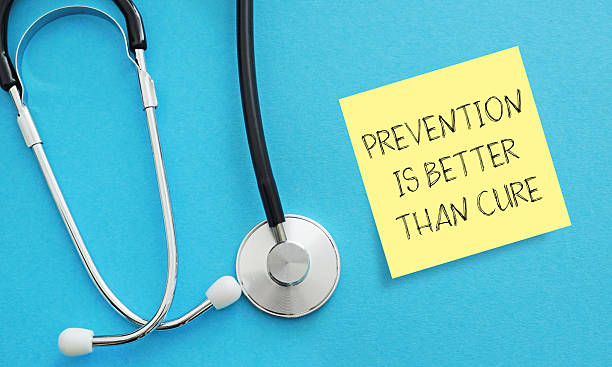
Not that long ago, most of us treated health like something you deal with when it interrupts your life. A strange pain? Then we pay attention. A bad lab result? Then we panic. Otherwise… we’re fine.
But something has changed. More people are building health into everyday life in a quieter, steadier way—not with dramatic overhauls, but with small choices they can actually repeat. And yes, the thought of preventive health is popping up everywhere now. Still, what’s interesting is how normal it’s becoming. It’s showing up in routines, in grocery carts, in calendars, and even in conversations between friends: “Have you done your annual checkup?” “I’m finally taking sleep seriously.” “I started walking after dinner, and it’s weirdly calming.”
This isn’t about chasing perfection. It’s about catching things earlier, feeling better more often, and making healthy feel doable even on regular, messy days.
So, let’s talk about why prevention is becoming a lifestyle—and how to make it one without turning your life into a spreadsheet.
1) The Quiet Shift: Fix It Later Is Getting Old
A lot of us grew up with a very simple health strategy: push through. Are you tired? Coffee. Are you stressed? Power through. Something feels off? Ignore it until it’s loud. The problem is, your body keeps receipts.
Many common health issues build slowly—blood pressure creeping up, sugar levels drifting, stress becoming your default setting. By the time symptoms show up, you’re not starting from zero anymore. That’s where preventive health feels different: it’s not about waiting for a crisis. It’s about protecting the boring, everyday version of your life… the one you actually live.
And honestly? Prevention feels empowering because it’s not only doctor stuff. It’s also choosing habits that make you stronger—physically and mentally. Even a small routine can create that “I’m taking care of myself” feeling, which matters more than we give it credit for.
2) Why Everyone’s Talking About Prevention Right Now
Part of it is obvious: people are busy, and burnout is real. We’re also more aware of how sleep, stress, and lifestyle choices affect the body long-term. Even if you’re not a wellness person, you’ve probably noticed the ripple effect of a bad week:
less sleep → worse cravings → less movement → more stress → repeat.
Meanwhile, healthcare costs and the time it takes to get care can make waiting feel risky. So, naturally, people lean toward what keeps them out of trouble in the first place.
Also, prevention isn’t only about avoiding disease. It’s about the stuff you feel every day:
- more energy in the afternoon
- fewer random aches
- steadier mood
- better focus
- fewer “why do I feel off?” days
That’s why preventive health has moved out of clinics and into lifestyles. It’s not a trend—it’s a practical response to modern life.
3) The Real Foundation: A Few Basics Beat a Perfect Plan
Here’s something people don’t like hearing: you don’t need a complicated routine. You need a repeatable one. Most prevention comes down to a few fundamentals. And while everyone’s body is different, the basics are shockingly consistent:
- Food that supports you, not food that punishes you
- Movement you can stick to, not punishment workouts
- Sleep that’s protected, not borrowed from tomorrow
- Stress relief that’s real, not just relaxation advice
That’s the heart of preventive health as a lifestyle. It’s not to do everything. It’s to do the few things that matter more often.
If you’re thinking, “Okay, but where do I start?” Start where you feel the most pain. If you’re exhausted, focus on sleep. If you feel stiff, focus on movement. If meals are chaotic, focus on one simple meal anchor. One change can pull the rest forward.
4) Screenings and Checkups: Boring, yes. Powerful, Also Yes.
No one wakes up excited for bloodwork. Still, routine care is one of the most underrated tools we have.
Here’s why: plenty of serious issues don’t announce themselves early. High blood pressure is famously sneaky. High cholesterol often has no symptoms. Even vitamin deficiencies can make you feel off in a way that’s easy to dismiss. Fitness Routine appointments support preventive health because they catch problems when they’re smaller—and easier to manage. Depending on your age, sex, history, and risk factors, your clinician may recommend things like:
- blood pressure checks
- cholesterol panels
- blood sugar/A1C
- routine dental and vision visits
- cancer screenings (based on guidelines and personal risk)
- vaccine updates (flu, tetanus, HPV, shingles, others)
A simple tip that makes appointments more useful: keep a running note in your phone with symptoms, questions, medications, and family history updates. It sounds small, yet it helps you show up prepared instead of blanking in the room.
5) Everyday Nutrition That Doesn’t Feel Like a Lecture
Nutrition advice gets weird fast. One person says cut carbs, another says cut fat, and someone else swears fruit is too much sugar. If you’ve ever felt confused and annoyed, you’re normal. A calmer approach is to build meals that support preventive health without turning eating into a project.
Try this easy plate idea:
- half your plate: colorful vegetables
- a quarter: protein
- a quarter: carbohydrates you tolerate well
- add: healthy fats (olive oil, nuts, seeds, avocado)
If your meals are inconsistent, focus on one anchor habit. For example:
- protein at breakfast
- vegetables at lunch
- a consistent dinner time
- more water before coffee #2
Low-effort grocery staples that make life easier
- frozen veggies and frozen berries
- canned beans/lentils
- eggs, yogurt, tofu, fish
- oats, rice, whole-grain bread
- olive oil, nuts, chia/flax
The goal isn’t to eat like a robot. The goal is to make your normal meals slightly more supportive over time. That’s what lifestyle-based preventive health looks like in real life.
6) Movement That Counts Even If You’re Not a Gym Person
You don’t need to love working out. You just need movement that fits into your life.
Walking is a perfect example. It’s underrated, low-risk, and surprisingly effective. Add in a bit of strength work and mobility, and you’ve got a well-rounded routine.
To support preventive health, aim for a mix of:
- cardio: walking, cycling, swimming, dancing
- strength: weights, bands, bodyweight
- mobility/balance: stretching, yoga, tai chi
If you want a simple place to begin, here’s one:
- walk 10 minutes after a meal
- do strength twice a week (short sessions are fine)
- stretch 5 minutes before bed
Also, movement helps relieve stress in a way that’s hard to explain until you feel it. Sometimes a short walk doesn’t just change your body—it changes your mood. And that’s part of prevention, too.
7) Sleep and Stress: The Two Things Everyone Tries to Ignore
If you’re taking care of everything except sleep and stress… you’re not alone. Still, it’s hard to talk about preventive health without mentioning them, because they affect almost everything.
Poor sleep can mess with appetite, recovery, mood, focus, and immunity. Chronic stress can keep your body in a constant alert state, which eventually shows up in the form of fatigue, tension, headaches, digestive issues, and more.
A few realistic upgrades:
- keep a consistent wake time (even on weekends, mostly)
- get daylight early in the day
- dim lights at night
- stop doom-scrolling in bed (hard, but worth it)
- build a wind-down cue like stretching or showering
For stress, don’t aim for zero stress. Aim for recovery moments:
- slow breathing (long exhale)
- 10 minutes outside
- music and stretching
- journaling the thoughts out of your head
- talking to someone you trust
Your nervous system needs breaks. That’s not a weakness. That’s biology.
8) A Simple Table to Match Prevention to Real Life
Sometimes the best plan is the one you can do on your busiest week. Use this as a pick one menu.
| Area | If You’re Busy | If You’re Starting | If You’re Ready to Level Up |
| Food | Add protein to breakfast | Add one veggie daily | prep 2 meals/week |
| Movement | 10-min walk | 2 short strength sessions | cardio + strength weekly |
| Sleep | same wake time | screen-free 30 min earlier | full bedtime routine |
| Stress | 5 deep breaths | 10-min unwind ritual | therapy/coaching support |
| Medical | book a checkup | update vaccines | Add screenings as needed |
This is where preventive health stops being a vague idea and becomes something you can actually do.
9) Tech and Community: Why Prevention Feels More Possible Now
Wearables, telehealth, and apps aren’t magic—but they can reduce friction.
A smartwatch can show you patterns you didn’t notice:
- “Oh, I sleep worse after late meals.”
- “My stress spikes after certain meetings.”
- “I move more on days I schedule walks.”
Telehealth also makes it easier to ask questions early. Instead of waiting until something becomes a bigger issue, you can address it sooner—which is exactly what preventive health is about.
And then there’s community. This matters more than any gadget. When the people around you normalize healthier habits—walks, earlier bedtimes, checkups—it’s easier to join in. Prevention becomes social, not isolating.
10) A 30-Day Way to Start Without Overthinking It
If you want a simple plan, here’s one that doesn’t demand a personality change.
- Week 1: choose one focus (sleep, walking, breakfast, or a checkup)
- Week 2: add one support habit (prep lunch twice, stretch at night, strength twice)
- Week 3: remove one friction point (shoes by the door, snacks visible, phone away at night)
- Week 4: review what actually helped, then keep the best parts
The lifestyle version of preventive health isn’t dramatic. It’s steady. And steady wins.
Make Preventive Health Your Everyday Advantage
The best part about preventive health becoming a lifestyle priority is that it’s finally moving away from guilt and toward practicality. You don’t need a flawless routine. You need a few habits that fit your real schedule—and a willingness to care for yourself before life forces you to.
So, pick one thing today: book the appointment, take the walk, adjust bedtime by 20 minutes, or build one solid meal. Then do it again tomorrow. Want more simple, human wellness guides you can actually use? Keep exploring Explores Everyday—and choose one small prevention habit this week.









Leave a comment