






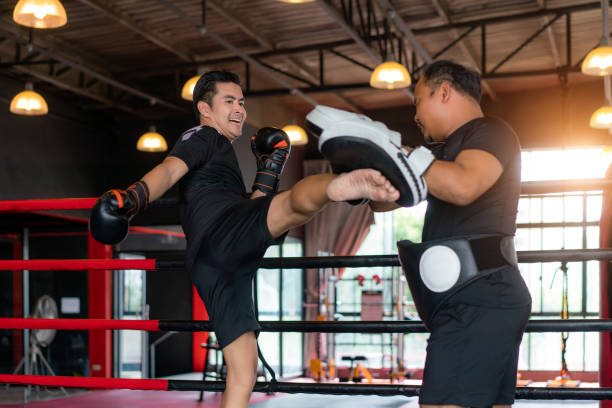
If you’re searching for an intense workout that combines fat-burning cardio with strength training and stress relief, kickboxing training might be exactly what you need. Las Vegas offers a vibrant fitness scene with numerous options for those interested in cardio kickboxing classes, whether you’re a complete beginner or someone looking to take their fitness to the next level. This high-energy workout has gained massive popularity because it delivers results while keeping things interesting and fun.
Finding the right gym in Las Vegas, NV, that offers quality kickboxing programs can transform your fitness routine. Unlike traditional cardio equipment that can feel repetitive, kickboxing training engages your entire body, challenges your coordination, and builds functional strength. Let’s explore everything you need to know about getting started with cardio kickboxing classes in the Las Vegas area.
What Makes Kickboxing Training Different From Regular Cardio
Kickboxing training stands out from typical gym cardio because it combines multiple fitness elements into one session. You’re not just burning calories on a treadmill or bike. Instead, you’re performing punching combinations, executing kicks, moving laterally, and engaging your core throughout every movement. This variety means your body never fully adapts, which helps you continue seeing progress week after week.
The mental engagement required during cardio kickboxing classes keeps your mind focused and present. You need to remember combinations, maintain proper form, and coordinate your upper and lower body simultaneously. This mental component makes the time fly by compared to staring at a screen during a stationary bike session. Many people find that an hour of kickboxing feels shorter than thirty minutes on traditional cardio equipment.
Another significant difference is the full-body engagement. While running primarily targets your lower body, kickboxing training works your shoulders, arms, core, glutes, and legs all at once. The rotational movements involved in punches and kicks also strengthen stabilizer muscles that often get neglected in conventional workouts. This comprehensive approach builds functional fitness that translates to everyday activities.
Key Benefits You’ll Experience From Cardio Kickboxing Classes
Exceptional Calorie Burn and Weight Loss
Cardio kickboxing classes typically burn between 500 and 800 calories per hour, depending on your intensity level and body composition. The combination of high-intensity intervals with active recovery periods creates an ideal environment for fat loss. Your heart rate elevates during combination work, then recovers slightly during water breaks or technique instruction, creating a natural interval training effect that maximizes calorie expenditure.
Improved Coordination and Balance
Learning to throw proper punches and kicks requires significant coordination between your upper and lower body. As you progress in kickboxing training, you’ll notice improvements in your overall body awareness and balance. These skills transfer to other activities and help reduce injury risk in daily life. The single-leg stability required for kicks particularly strengthens the small muscles around your ankles and knees.
Stress Relief and Mental Clarity
There’s something uniquely satisfying about punching and kicking after a stressful day. Kickboxing provides a healthy outlet for releasing tension and frustration. The physical exertion combined with the focused mental state required during class creates a form of moving meditation. Many participants report feeling mentally refreshed and emotionally balanced after their sessions at a gym in Las Vegas, NV that offers these programs.
What to Expect During Your First Kickboxing Class
Walking into your first cardio kickboxing class can feel intimidating, but most facilities structure their programs to accommodate all fitness levels. Classes typically begin with a thorough warm-up that includes dynamic stretching, light cardio, and basic movement patterns. This prepares your joints and muscles for the more intense work ahead while reducing injury risk.
The main portion of class focuses on learning and practicing techniques. Instructors demonstrate proper form for various punches like jabs, crosses, hooks, and uppercuts, along with kicks such as front kicks, roundhouse kicks, and side kicks. You’ll practice these movements individually before combining them into sequences. Don’t worry about perfection on day one. Form develops over time with consistent practice.
Most kickboxing training sessions conclude with core work and a cooldown stretch. The core segment might include planks, crunches, or other abdominal exercises that complement the rotational power developed during the striking portions. The final stretch helps your muscles recover and improves flexibility over time. Expect to leave sweaty, energized, and accomplished after your first session.
Essential Gear and What to Wear
One advantage of cardio kickboxing classes is that they require minimal equipment to get started. Wear comfortable athletic clothing that allows full range of motion. Avoid anything too loose that might get caught during movements. Most people prefer moisture-wicking fabrics that keep you dry during intense sessions.
For footwear, choose supportive athletic shoes with good lateral stability. Cross-training shoes work well because they provide cushioning for jumping movements while allowing the pivoting needed for proper kick technique. Some facilities allow barefoot training, but shoes typically provide better support, especially when you’re starting out.
Many gyms provide heavy bags and other equipment, but you might want to invest in your own hand wraps or boxing gloves as you progress. Hand wraps protect your wrists and knuckles during bag work, while gloves provide cushioning. Check with your chosen gym in Las Vegas, NV about what they provide versus what you should bring to class.
Common Mistakes Beginners Should Avoid
New participants in kickboxing training often make the mistake of going too hard too soon. Your first few classes should focus on learning proper technique rather than maximum power. Throwing punches and kicks with poor form while fatigued increases injury risk and develops bad habits that become harder to correct later. Start at a moderate intensity and gradually increase your power as your form improves.
Another common error is neglecting to engage your core during movements. Effective punches and kicks originate from your center, not just your arms and legs. Keep your core tight throughout class to protect your lower back and generate more power. This engagement also maximizes the abdominal strengthening benefits of cardio kickboxing classes.
Many beginners also forget to breathe properly during combinations. Holding your breath during exertion raises blood pressure unnecessarily and limits your performance. Practice exhaling sharply with each strike, which naturally engages your core and helps maintain rhythm throughout longer combinations.
How to Choose the Right Kickboxing Program
When evaluating different options for kickboxing training Las Vegas, NV, consider the instructor’s qualifications and teaching style. Experienced instructors should have certifications in group fitness and ideally specific training in kickboxing or martial arts. They should demonstrate techniques clearly, offer modifications for different fitness levels, and provide individual feedback during class.
Class size matters significantly in your learning experience. Smaller classes allow for more personalized attention and form corrections. If you’re joining a larger program, make sure instructors actively move through the room to check on participants rather than just demonstrating from the front.
Location and schedule convenience play crucial roles in consistency. The best program is one you’ll actually attend regularly. Look for cardio kickboxing classes near you with times that fit your routine. Early morning, lunch hour, and evening options increase the likelihood you’ll stick with your new fitness habit long-term.
Final Thoughts on Starting Your Kickboxing Journey
Kickboxing training offers a dynamic, effective approach to fitness that keeps workouts engaging while delivering real results. Whether your goals include weight loss, stress management, improved conditioning, or simply trying something new, cardio kickboxing classes provide a supportive environment to challenge yourself physically and mentally. The skills you develop extend beyond the gym, building confidence and functional strength for everyday life.
If you’re ready to experience the benefits of kickboxing training firsthand, consider exploring what local facilities offer. Lion Fitness provides quality kickboxing programs among their comprehensive fitness offerings, with experienced instructors who help members of all levels achieve their goals in a welcoming environment. Take that first step, show up to your initial class with an open mind, and prepare to discover why so many people have made kickboxing a permanent part of their fitness routine.
Frequently Asked Questions
Do I need any martial arts experience before joining cardio kickboxing classes?
Absolutely not. Cardio kickboxing classes are designed for people of all experience levels, including complete beginners. Instructors teach fundamental techniques from the ground up, and you’ll learn at your own pace. The focus is on fitness and fun rather than competition or traditional martial arts ranking systems.
How often should I attend kickboxing training sessions to see results?
Most people see noticeable improvements attending two to three times per week. This frequency allows adequate recovery between sessions while providing enough stimulus for fitness gains. Beginners might start with twice weekly and increase as their conditioning improves. Consistency matters more than frequency, so choose a schedule you can maintain long-term.
Will kickboxing make me bulky or too muscular?
Kickboxing training primarily builds lean, toned muscle rather than bulk. The workout is predominantly cardiovascular with bodyweight resistance, which creates a lean, athletic physique. The high calorie burn also helps reduce body fat, revealing the muscle definition you’re developing. Women especially can feel confident that kickboxing creates strength without excessive size.
Is kickboxing safe if I have joint issues or previous injuries?
Many people with joint concerns successfully participate in cardio kickboxing classes by working with instructors to modify movements. Low-impact versions of kicks and punches can provide similar benefits without excessive stress on problematic joints. Always consult your healthcare provider before starting any new exercise program, and inform your instructor about any limitations so they can suggest appropriate modifications.
What’s the difference between cardio kickboxing and traditional martial arts kickboxing?
Cardio kickboxing classes focus primarily on fitness benefits using kickboxing movements, typically without sparring or contact with partners. Traditional martial arts kickboxing emphasizes self-defense, competition preparation, and belt ranking systems. Both offer great workouts, but cardio kickboxing is more accessible for those interested in fitness rather than combat training. The movements are similar, but the goals and class structures differ significantly.











Leave a comment