






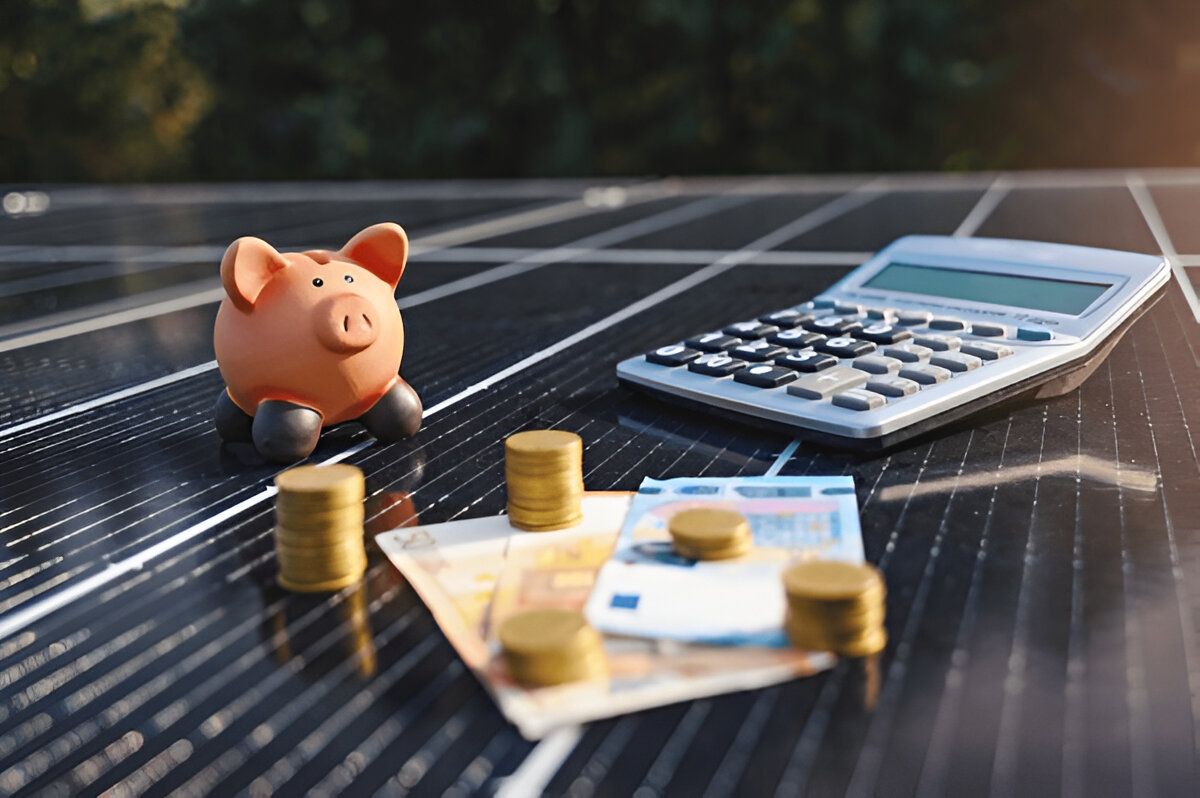
Rising power bills pinch every month, yet sunlight still pours onto the roof for free. Therefore, many families now wonder, “How Much Do Solar Panels Cost?” They also fear hidden fees, confusing quotes, and shifting incentives. So, this guide answers cost questions with fresh 2025 data, and a step-by-step path to confident decisions. By the end, you will know whether panels fit your budget and how fast they pay you back.
The 2025 Price Snapshot: How Much Do Solar Panels Cost?
A quick price snapshot calms sticker shock. Nationally, full-service installers charge $2.50–$2.80 per watt before any incentive. Consequently, an 11-kW array runs about $28,000 on paper. Yet the 30 % Residential Clean-Energy Credit cuts roughly $20,552 for many homeowners. Even so, numbers shift every quarter because panel factories oversupply the market while U.S. tariffs elevate import costs. Moreover, soft costs—permits, labor, and marketing—rise with inland inflation, nudging quotes higher in smaller towns.
Still, panels remain cheaper than five years ago. For instance, 2020 averages hovered near $3.50 /W. Therefore, today’s buyers start almost a dollar lower per watt. Meanwhile, utilities raise retail electricity rates at 4% annually, so waiting can erase any hoped-for panel discount. Furthermore, full-service solar companies can help you secure accurate quotes with current rebates.
Key Numbers at a Glance
- Average price of one 400-watt panel: $120 – $200 installed
- Panels account for only 12 % of the full bill
- Typical 25-year savings: $31,000 – $100,000, depending on local rates
Homeowners still ask, “Why do headlines show $3.03 per watt?” Because location, financing, and system size push numbers up or down. For example, a 7.2-kW system lists at $21,816 before credits, then drops to $15,271 after the 30 % cut. Likewise, coastal regions pay higher labor costs, while desert states enjoy bulk-order discounts from utility-scale farms. Moreover, roof complexity adds up quickly: steep clay tiles need extra anchoring, adding 20 ¢ per watt, whereas simple asphalt roofs stay near the national mean.
Loan terms also skew totals. A 15-year solar loan at 6% APR boosts lifetime system cost by almost $6,000. Conversely, paying cash lowers the break-even point to seven years in sunny states. Yet, even financed solar usually wins because avoided power bills still outrun monthly installments. Additionally, homeowners who pair panels with modest battery packs unlock peak-shaving credits in several states, trimming payback by another year.
Bottom-Line Benefit: Knowing today’s per-watt benchmark lets you spot inflated bids, quiz installers on soft-cost padding, and negotiate from strength.
Where Your Money Goes
Many buyers assume panels swallow the budget. Yet soft costs dominate. Breaking each dollar reveals the truth.
- 12 % — Modules: Silicon, glass, frames, testing.
- 8 % — Inverter: Converts DC to AC and usually needs replacement once.
- 15 % — Racking & Wiring: Fasteners, rails, conduit, and safety disconnects.
- 65 % — Soft Costs: Labor, design, permits, insurance, marketing, trucks, and profit.
Because red tape and marketing eat two-thirds of the total, licensed solar installers in cities with faster permitting charge less. Furthermore, community bulk-buy programs slash overhead by sharing site visits and paperwork. Therefore, asking about “soft-cost savings” during a sales call can trim thousands.
Yet what exactly hides inside that 65 %? First, sales and customer-acquisition expenses run high. Installers pay for advertising, door-knocking crews, and call centers. Moreover, each signed contract must cover leads that never closed. Second, design teams draft site plans and electrical diagrams; their salaries sit inside soft costs. Third, insurance—both workers and liability—protects crews and homes, but premiums climb yearly. Likewise, trucks, ladders, and safety gear need fuel and maintenance. Every component passes through warehouses, so shipping and storage charges add another slice. Finally, healthy profit margins keep companies solvent for warranty claims. Without profit, a firm could vanish before year ten, leaving owners stranded.
Hardware prices keep dropping, yet these soft-cost pieces remain stubborn. For example, a 400-watt panel cost about $0.31 per watt in early 2025, down 70 % from 2014. However, permit fees grew in many counties, wiping out half that savings. Consequently, two homes on the same street can receive bids that differ by $5,000 simply because one roof needs extra engineering reports.
You still have leverage. Compare quotes side by side and flag every line item marked “miscellaneous.” Ask, “Can we combine permit visits?” or “Can you waive the marketing fee if I refer neighbors?” Furthermore, request digital site surveys; drones often replace costly scaffolds. Some companies now share back-office staff across states, cutting administrative overhead. You may see a lower bottom line if your installer belongs to such a network.
Your Quick Win: When you see the cost pie, you can ask smarter questions and cut non-hardware expenses.
Five Factors That Shift Your Quote
Every roof is unique; therefore, quotes differ. Still, five levers move price the most, and each lever overlaps the next like gears in a watch. Because they mesh together, small tweaks in one area often magnify costs—or savings—in another. Below, we unpack each factor with plain examples, so you can spot which knob to turn first.
- System Size: More watts cost more, yet the price per watt falls as arrays grow. For instance, a 6-kW system might list at $2.85 /W, while an 11-kW build drops to $2.55 /W. However, bigger systems demand bigger roofs and sturdier breakers. Therefore, resist the urge to oversize “just because.” Instead, match output to your last 12 months of usage plus a modest growth buffer for future EVs or heat pumps integration.
- Panel Efficiency and Brand: Premium cells pack power into tight spaces but add 10 %–20 %. High-quality modules from Sun Power or REC can salvage production if shade limits roof real estate. Conversely, if you have a wide, south-facing roof, standard 21 % modules from Tier-1 makers may hit the same annual kWh for far less. Moreover, most mid-range panels now carry 25-year output warranties, so budget options rarely equal “cheap junk.”
- Roof Complexity: Steep, shaded, or slate roofs raise labor hours. Crews need extra anchors, longer lift times, and special flashing kits. Consequently, expect installers to pay $0.20–$0.40 /W for difficult surfaces. Meanwhile, tree trimming or small dormer offsets can sometimes slash shade losses and labor fees together, so always ask if a low-cost prep step can simplify the build.
- State Rules: Net-metering, sales-tax holidays, and utility rebates swing payback times. California’s NEM 3.0 now credits exports at lower rates, while South Carolina still offers one-to-one retail rates. Because policy changes arrive without warning, locking in permits early can preserve favorable terms for two decades. Additionally, some counties waive building permit fees for solar, trimming soft costs immediately.
- Financing Method: Cash beats loans, leases trade savings for zero upfront. A 6% solar loan extends payback by two years, yet it keeps the 30% tax credit in your pocket. Conversely, leases remove maintenance worries but siphon one-third of lifetime savings. Therefore, compare monthly loan payments to your average electric bill; the math still wins if the loan is lower.
Because these levers interact, you must balance them. Moreover, price is not the only KPI; lifespan and warranty matter, too. Besides, tiny boosts in efficiency often raise resale value more than they raise cost. Meanwhile, some installers like Anca Solar prioritize honest consultations over upselling fancy panels you do not need. Thus, listing your true energy goals first keeps the scope honest. Readers still wonder, “But, really, How Much Do Solar Panels Cost?” That bold question re-emerges here because every lever above feeds the final figure.
Smart-Money Insight: Adjust the five levers to fit savings goals, roof traits, and cash flow.
Regional Reality Check
Solar pricing behaves like real estate: location rules the final number. Even though installers buy similar hardware, state policy, labor rates, and peak-sun hours keep costs in constant motion. To show the spread, we pulled mid-2025 quotes from leading price trackers.
| Region | Avg. $/W | 11-kW Post-Credit Cost | Note |
| California | 2.30 | $17,000 | Fast permits, many installers |
| Texas | 2.13 | $20,308 | Cheap panels, big roofs |
| Florida | 2.20 | $16,940 | Hurricane codes, strong sun |
| Colorado | 2.84 | $21,948 | High altitude, cold winters |
| Washington | 2.60 | $20,020 | Green-power incentives |
| Northeast (MA avg.) | 2.90 | $22,550 | Tight roofs, strict codes |
Because these figures already include the 30 % federal credit, they show the real “walk-out” cost a homeowner must finance. Notice how Texas lands higher than Florida, even with cheaper hardware. That jump stems from bigger average arrays (Texans fight brutal heat) and frequent roof replacements bundled into quotes. Meanwhile, California’s dense installer network fuels bidding wars, pushing margins down. Washington looks mid-pack, yet many homeowners add batteries to survive winter outages, nudging real budgets upward. If you are comparing solar providers, consult independent solar company rankings to avoid unreliable installers.
Globally, module spot prices hover near $0.09 /W FOB China, but U.S. tariffs, shipping, and “Buy American” rules lift delivered panel costs to roughly $0.31 /W — more than triple the factory gate. Thus, soft costs and policy, not silicon, create most of the interstate gap. States with one-day online permitting, like California’s SolarAPP+, routinely shave $900 or more in paperwork. On the flip side, historic districts around Boston often demand engineering letters plus landmark approvals, adding weeks and thousands.
Florida sweetens the deal further with property-tax exemptions and zero sales tax on renewable gear, while Texas’ deregulated market means net-metering payouts depend on your retail electric provider. Thus, identical hardware can yield different lifetime returns depending on zip code, utility tariff, and local red tape. Choose wisely.
Real-World Upside: Comparing local averages shields you from paying a “tourist tax” in high-priced zip codes. Ask installers to explain every extra dollar beyond the state median and negotiate until the quote matches the table above.
Incentives & Tax Credits You Could Lose
Today, the 30% Residential Clean-Energy Credit shields budgets, yet its future looks shaky. In late May 2025, the House passed a sweeping tax bill that would end Section 25D two years early—moving the cut-off from 2032 to December 31, 2025. While the Senate may soften the blow, homeowners no longer have a guarantee that the current rate will last. Waiting, therefore, risks watching thousands in promised savings vanish overnight.
Below is a clear snapshot of what exists now—and why a fast decision often wins.
- Federal Credit (Section 25D)
- 30 % through 2032 (for now)
- 26 % in 2033, 22 % in 2034, sunset in 2035—unless new legislation shortens the timeline.
- Worth about $8,400 on an average $ 28k, 11-kW system.
- State Rebates
- Many programs pay $0.20–$1.00 per watt up front. You can explore available rebates with trusted renewable energy providers in your region.
- Oregon’s “Solar Within Reach” offers up to $1.20/W—$7,200 back on a 6-kW array.
- Funds run out each fiscal year, so early applicants score first.
- Sales-Tax Exemptions
- Panels and inverters skip sales tax in 25+ states, instantly trimming 4–8 %.
- Florida alone saves buyers about $1,400 on an 11-kW purchase.
- Solar Renewable Energy Certificates (SRECs)
- NJ’s SREC-II pays $85 per certificate for 15 years—roughly $1,000 yearly on a midsize roof.
- MA, PA, and DC markets still clear $45–$180 per SREC, yet prices slide when supply surges.
- Property-Tax & Equipment Exemptions
- Over a dozen states prevent new assessed value from raising property taxes.
- That policy alone protects long-term ROI in high-tax countries.
Net-metering alert: California’s Net Billing Tariff now credits surplus power at wholesale rates, not retail, while Arizona, Utah, and others follow suit. Because exported kilowatts earn less yearly, system payback stretches if you delay.
So, How Much Do Solar Panels Cost? They cost far less when you lock incentives before Congress, or your utility rewrites the rules. Acting now preserves the richest credit level, the strongest state rebates, and the friendliest net-metering terms.
Value You Pocket: Act quickly while 30 % federal relief and generous state perks still apply; doing so can shave tens of thousands off the lifetime cost and cut payback by several years.
Hidden & Long-Term Costs
Panels outlast most mortgages, yet they are not maintenance-free. Furthermore, planning for hidden costs keeps ROI realistic. Although sunlight is free, every system ages. Therefore, smart owners budget small monthly amounts, so surprises never derail savings. Below, explore the six most common extras.
- Inverter Replacement: $1,200 – $2,000 around year 12. Inverters work hard every daylight hour; consequently, heat and switching cycles wear parts. Because labor forms part of the bill, choosing installers who stock replacements locally shortens downtime. Moreover, buying a high-efficiency model often increases daily harvest enough to offset its higher price.
- Battery Storage: Adds $10,000 – $15,000 but delivers blackout protection. Many households, especially in storm-prone regions, add batteries later. However, installing wiring conduits during the initial job reduces future labor. Also, new incentive programs rebate up to 30 % of battery cost, so check local rules before you wait.
- Roof Repairs: Removing panels costs about $1,000 if shingles need work. Asphalt roofs rarely match a panel’s 25-year life. Therefore, contractors often recommend re-roofing first when shingles have under ten healthy years left. Meanwhile, metal roofs often outlive panels, eliminating this future fee.
- Annual Cleaning: $150, though rain often suffices. Dust, pollen, or ash can cut production by three to seven percent. Thus, scheduling a gentle wash during dry seasons keeps returns on track. Nevertheless, homeowners in rainy climates can stretch cleanings to every other year.
- Monitoring Subscriptions: Some premium apps charge $5 monthly. Free portals cover basic data, yet advanced analytics forecast savings and flag faults sooner. Consequently, a small fee can prevent energy losses that are worth far more.
- Insurance Rider: Some insurers add $40 yearly to cover rooftop gear. Yet, they often waive the surcharge after certification review. Moreover, bundled discounts can drop total premiums significantly.
Over 25 years, setting aside these minor amounts equals less than two average power bills. Thus, upkeep feels manageable today. Still, these extras rarely erase the gains from lower power bills. Besides, many warranties cover panel output for 25 years and artistry for 10 years. Consequently, major failures fall on the installer, not you. Even inverter warranties now stretch to 12 or 15 years; therefore, your first replacement might cost nothing. How Much Do Solar Panels Cost? More only when you ignore these predictable add-ons.
Immediate Advantage: Budgeting $20 monthly for future upkeep protects savings. Moreover, setting the amount aside in a high-yield account turns potential expenses into extra interest, keeping solar returns bright.
Three-Step Quiet Quote Checklist
Because high-pressure sales cause doubt, this low-stress checklist empowers you.
- Audit Usage: Collect twelve recent power bills and list each month’s kilowatt-hours and its cost—next, the total annual consumption and the average daily load. Consequently, installers see an honest baseline and avoid “rounding up” system size to pad revenue. Moreover, review any planned home upgrades—like EV chargers or heat pumps—so projected demand feels realistic. Additionally, note that time-of-use rate changes because off-peak credits affect payback math. Finally, label unusual spikes, perhaps caused by holiday guests, so estimators do not oversize for one odd month.
- Get Three Comparable Bids: After you understand usage, request quotes from at least three licensed installers within your county. Ask each company to use the same wattage, panel brand, inverter type, and warranty length. Thus, you control the variables, and price becomes the only difference. Furthermore, demand an itemized worksheet that separates hardware, labor, permits, overhead, and finance fees. Seeing soft costs in print sparks productive questions because soft costs can exceed hardware costs. Meanwhile, schedule each site visit within one week; therefore, every estimator assesses your roof under similar sunlight and weather.
- Run the Sleep Test: Finally, compare the monthly loan payment to your current average bill. If the solar payment lands lower, and the equipment carries a twenty-five-year warranty, you can rest easy. Yet, run two extra filters. First, check whether the installer’s artistry warranty matches or beats the product term because leaks rarely appear early. Second, review the company’s bankruptcy history; panels last decades, so you need a partner that endures. If any metric triggers worry, reject or renegotiate.
Following this order prevents impulse decisions. Besides, each bid often drops after you reveal competing numbers because sales teams hate losing deals. Consequently, silent comparison grants leverage, while hasty yeses surrender it. Moreover, documenting every conversation in email builds a paper trail and blocks surprise add-ons. A deliberate, apples-to-apples process ultimately converts complex technology into a simple household purchase.
How You Profit: A structured approach removes stress, exposes the best deal, and hands you clear control over the buying journey. Researching with reputable solar firms ensures you won’t miss out on key savings.
FAQs at a Glance
How long before panels pay for themselves?
Most homeowners see break-even in seven to ten years. Yet payback can fall to five years in Arizona or Nevada because sunlight is abundant and local incentives are rich. Conversely, shaded roofs in the Pacific Northwest may stretch ROI to twelve years. Importantly, panels generate returns beyond break-even; every kilowatt-hour after that is effectively free electricity. Therefore, focus on lifetime savings, not just the first milestone.
Do prices keep dropping?
Module costs continue sliding thanks to factory scale and cheaper polysilicon. However, tariffs on Asian imports, higher interest rates, and labor shortages often cancel those gains. Because soft costs form nearly two-thirds of any quote, year-over-year savings remain small. Consequently, waiting another year could save only a few hundred dollars yet lose twelve months of offset bills. Instead, watch policy clocks; the overall price effectively rises when incentives end.
What if I move?
Solar rarely chains you to an address. You can transfer equipment warranties to the buyer, which adds perceived value and helps the home sell faster. Appraisal studies show every dollar saved on annual bills increases the resale price by roughly twenty dollars. Additionally, some lenders allow you to roll an unsecured solar loan into the new mortgage during closing. Otherwise, paying off the loan early may free the title for buyers. Either way, panels stay with the property, and you keep the premium.
Will solar work in the snow?
Yes, and sometimes better. Cold temperatures improve electrical efficiency, so clear winter days push wattage higher. Most arrays mount at angles that let snow slide quickly once the sun appears. Moreover, the dark glass absorbs heat, melting thin layers rapidly. Installers raise panels above drifts in deep-snow regions or add clip-on snow guards to protect gutters.
Does battery storage make sense?
Lithium-ion batteries provide critical backup if rolling blackouts or hurricane outages are common. Even a modest 10-kWh pack powers lights, internet, and refrigerators overnight. Still, batteries add ten to fifteen thousand dollars, extending payback for several years. Therefore, homeowners focused purely on financial return may skip storage and rely on net metering. Conversely, those valuing resilience and peace of mind often accept the extra cost.
Many readers still ask, “Ultimately, How Much Do Solar Panels Cost?” The final figure depends on roof size, equipment choice, incentives, and financing blend.
Reader Reward: Quick, nuanced answers erase doubts and speed up your decision journey.
Final Word—Dollars, Sense, and Peace of Mind
Power price hikes feel endless, yet sunshine stays free. Therefore, tapping that light now locks decades of predictable bills. Moreover, today’s federal and state incentives still slice almost one-third of your installation cost, but shifting politics could shrink that help without warning. Consequently, acting now turns uncertainty into control and pins tomorrow’s energy on a source you own. Further, every kilowatt you create shields you from fuel shortages, peak-rate surcharges, and surprise blackouts that arrive with summer storms.
Still, the greatest reward goes deeper than dollars. When dark clouds roll in, neighborhood lights flicker, your inverter keeps humming, your freezer stays cold, and your children read under steady lamps. Knowing you planned ahead, that quiet confidence beats the stress of waiting on the utility’s repair crew. Besides, clean power means cleaner air on your street, a small gift you share every sunny day. Additionally, panels often boost home resale value by five percent or more, adding equity even before the loan is paid.
Thus, gather three comparable quotes, verify artistry warranties, and crunch the math this weekend. Soon, you could swap powerless worry for powerful certainty. Let solar transform today’s volatile expense into decades of predictable security and storm-proof peace of mind for families.












Leave a comment