






Why Standard Home Inspections Fall Short
You just got the home inspection report back. Everything looks good, right? Well, here’s the thing — general home inspectors aren’t plumbers. They check what’s visible. They run faucets, flush toilets, and look under sinks. But the stuff that’ll cost you $10,000 or more? That’s usually hiding where they can’t see it.
I’ve seen it happen too many times. Someone buys a house, moves in, and three months later they’re dealing with a sewer backup or corroded pipes behind walls. A Plumbing Inspection in Closter NJ catches these problems before you sign those papers. And trust me, that peace of mind is worth every penny.
So what exactly do home inspectors miss? Let’s break it down.
Sewer Line Problems That Stay Hidden
1. Sewer Line Bellies and Sags
A belly happens when a section of your sewer pipe sinks lower than the rest. Water pools there. Waste collects. And over time, you get recurring backups that seem to come out of nowhere.
Home inspectors don’t have camera equipment to see inside sewer lines. They might notice a slow drain, but they won’t know why. A plumbing inspection near Closter uses video cameras that travel through the entire line, showing exactly where problems exist.
2. Offset Pipe Joints
Tree roots don’t just crash through pipes dramatically. Sometimes they slowly push joints apart. The connection still works — for now. But debris catches on those misaligned edges. Eventually, you’re calling for emergency service at 2 AM.
These offsets are invisible from above ground. Only camera inspection reveals them.
3. Cast Iron Deterioration
Homes built before 1975 often have cast iron sewer pipes. These pipes last about 50-75 years. Do the math. Many are now at or past their lifespan.
The problem? Cast iron deteriorates from the inside out. The pipe looks fine externally while the interior crumbles. Water still flows until suddenly it doesn’t. Replacement costs run $5,000 to $20,000 depending on length and accessibility.
Hidden Pipe Problems Behind Walls
4. Polybutylene Pipes
If your potential home was built between 1978 and 1995, there’s a decent chance it has polybutylene (poly-b) pipes. These gray plastic pipes were installed in millions of homes. They were supposed to be the future of plumbing.
They weren’t.
Poly-b pipes react with chlorine in municipal water. Over time, they become brittle and crack. Sometimes they fail catastrophically. Insurance companies often refuse coverage for homes with these pipes, or charge massive premiums.
Home inspectors might mention poly-b if they see it exposed, but they can’t see what’s inside walls. Pokigo Plumbing LLC recommends specialized inspection whenever buying older homes in this age range.
5. Galvanized Steel Corrosion
Galvanized pipes were standard until the 1960s. The zinc coating that protects them wears away over decades. Then rust builds up inside, restricting water flow and eventually causing pinhole leaks.
Here’s what’s tricky — water pressure at fixtures might seem fine because you’re used to it. But a pressure test reveals the restriction. And those brownish stains in tubs? That’s rust in your water supply.
6. Corroded Supply Lines
The main water line running from the street to your house is basically invisible. It’s underground. Home inspectors have no way to assess its condition.
Older supply lines made of galvanized steel, lead, or polybutylene can fail without warning. Replacement involves excavation and typically costs $2,500 to $5,000. Finding out after purchase? That’s an expensive surprise.
Drainage and Venting Issues
7. Improper Drain Venting
Every drain needs a vent. Vents let air into the system so water flows smoothly. When venting is wrong — maybe from a DIY renovation or code changes — drains gurgle, flow slowly, or emit sewer gas.
These problems often don’t show up during a 2-hour home inspection. They appear when you’re actually living there, running multiple fixtures, using the dishwasher while someone showers.
Closter Plumbing Inspection Services check vent configurations and test for proper airflow. Home inspectors typically don’t.
8. S-Trap Installations
S-traps under sinks were banned from plumbing codes years ago. They can siphon dry, allowing sewer gas into your home. But plenty of older houses still have them.
A home inspector might note an S-trap exists. A plumber explains why it matters and what replacing it involves. Big difference in usefulness.
Water Heater Red Flags
9. Sediment Buildup
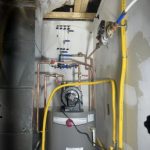
Water heaters collect sediment at the bottom of the tank. Over years, this layer grows thick. The heating element works harder. Efficiency drops. Eventually, the tank corrodes from inside.
Home inspectors check that the water heater functions and note its age. They don’t drain the tank to check sediment levels or assess actual remaining life.
10. Improper Installation
Gas water heaters need proper venting. Electric ones need correct wiring. Both need appropriate pressure relief valve discharge. Installation shortcuts are surprisingly common, especially in flipped houses where speed matters more than quality.
These shortcuts create safety hazards and code violations you’ll deal with later.
Fixture and Connection Problems
11. Slow Leaks at Connections
Small leaks at supply connections often leave minimal evidence. Maybe a faint water stain. Maybe nothing visible at all. But over months and years, they cause mold, rot, and structural damage.
Plumbing inspections include checking every connection point with attention you won’t get from a generalist. For additional information on home maintenance topics, plenty of resources exist to help new homeowners.
12. Cross-Connections
Cross-connections happen when potable water lines connect improperly with non-potable sources. Backflow can contaminate your drinking water. This is a health hazard that home inspectors rarely test for specifically.
Professional plumbing inspection includes backflow assessment and identifies potential contamination risks.
When to Get Specialized Plumbing Inspection
So when does Plumbing Inspection in Closter NJ make sense? Pretty much any time you’re buying a home, honestly. But especially when:
- The house is over 30 years old
- You’re buying a flipped property
- Previous owners did DIY renovations
- Trees are near sewer line paths
- The home inspection noted any plumbing concerns
- You’re investing significant money in the purchase
The cost of professional plumbing inspection runs a few hundred dollars. The problems it catches can cost tens of thousands to fix. That math works out pretty clearly.
Frequently Asked Questions
How long does a professional plumbing inspection take?
Most thorough inspections take 1-3 hours depending on home size and complexity. Sewer camera inspection adds time but provides valuable information about underground conditions you can’t see otherwise.
Can I be present during the plumbing inspection?
Absolutely. Being there lets you ask questions and see problems firsthand. Good inspectors explain what they’re finding in plain language so you understand what matters.
What’s included in a typical plumbing inspection report?
Reports cover water supply lines, drain and sewer systems, fixtures, water heater, connections, venting, and overall system condition. Quality reports include photos, severity ratings, and repair recommendations with estimated costs.
Should I get plumbing inspection before or after home inspection?
Schedule it during your inspection contingency period. If the general home inspection raises plumbing concerns, that’s definitely time for specialized assessment. But even without concerns, older homes benefit from plumbing-specific evaluation.
Do plumbing inspections check for lead pipes?
Yes. Professional inspectors identify pipe materials throughout accessible areas and can recommend testing if lead or concerning materials are found. This matters for both health and insurance purposes.
Buying a home is probably the biggest purchase you’ll make. The plumbing system is one of its most expensive components to repair or replace. Getting specialized inspection before closing protects your investment and eliminates ugly surprises down the road. It’s one of those decisions that feels optional until you realize how much it could have saved you.









Leave a comment