






Why Your Dog Panics at the Groomer (And What Actually Helps)
Your dog starts shaking the moment you pull into that parking lot. Maybe they try hiding under the car seat. Or worse, they’ve snapped at groomers before. Sound familiar? You’re definitely not alone in this.
Grooming anxiety affects tons of dogs, and it’s honestly heartbreaking to watch. But here’s the thing — most cases aren’t hopeless. With the right approach, even the most terrified pups can learn that grooming doesn’t mean danger. If you’re searching for Dog Grooming in Kenmore NY, understanding your dog’s fear is the first step toward better appointments.
This guide breaks down why dogs develop grooming fears, what you can do at home, and how professionals handle anxious pets safely. We’ll skip the generic advice and focus on stuff that actually works.
What’s Really Behind Your Dog’s Fear
Dogs don’t just randomly decide they hate groomers. Something triggered it. And figuring out the root cause helps you fix the problem faster.
Past Negative Experiences
This one’s pretty common. Maybe a previous groomer accidentally nicked them with clippers. Or someone held them too tightly during nail trims. Dogs have incredible memories for scary stuff. One bad experience can create lasting fear that shows up every single appointment after.
Sensory Overload
Think about what grooming involves from your dog’s perspective. Loud dryers blasting air. Buzzing clippers vibrating against skin. Strange smells everywhere. Water spraying. Other dogs barking. That’s a lot for any animal to process, especially dogs with sensitive temperaments.
Lack of Early Socialization
Dogs who weren’t introduced to grooming as puppies often struggle more as adults. The whole experience feels completely alien to them. They never learned that brushes, clippers, and bathing are normal parts of life.
According to research on dog behavior, early positive exposure significantly reduces fear responses in adult dogs. Missing that window doesn’t mean it’s impossible — just that you’ll need more patience.
General Anxiety Disorders
Some dogs are just anxious about everything. New places, new people, new situations. Dog Grooming Kenmore pet owners deal with isn’t the problem itself — the underlying anxiety is. These dogs need different handling than pets who only fear grooming specifically.
At-Home Desensitization That Actually Works
You can’t fix grooming fear overnight. But consistent practice at home makes a huge difference. Here’s what professional trainers recommend.
Start With the Tools, Not the Grooming
Before you even think about brushing, just let your dog investigate grooming tools on their own terms. Leave clippers on the floor (turned off). Put the brush near their bed. Let them sniff and explore without any pressure.
Once they’re comfortable being around the tools, turn clippers on across the room while giving treats. Gradually decrease distance over days or weeks. The goal? Making that buzzing sound mean good things instead of scary ones.
Touch Desensitization Exercises
Practice handling your dog the way a groomer would:
- Gently lift their paws and hold for a few seconds
- Touch their ears inside and out
- Run your hands along their belly and legs
- Look at their teeth and gums
- Touch around their tail and hindquarters
Pair every touch with treats. Keep sessions short — like two minutes max. End before your dog gets stressed. You want them associating handling with snacks, not anxiety.
Practice Car Rides Without Grooming
If your dog only rides in the car to go to the groomer or vet, of course they’ll panic when you open that car door. Mix it up. Take short drives that end at fun places — parks, drive-throughs for a pup cup, even just around the block.
Break that mental connection between “car ride = something scary.”
How Professional Groomers Handle Anxious Dogs
Good groomers have seen it all. They’ve got techniques for the shakers, the biters, the runners, and the freezers. Here’s what separates skilled anxiety handlers from the rest.
Patience Over Speed
Rushed grooming terrifies anxious dogs. Quality groomers take breaks. They let dogs decompress between steps. A full groom might take twice as long for an anxious pup, and that’s okay. The Pet Parlor Buffalo LLC understands that forcing scared dogs through quick sessions only makes future appointments worse.
Low-Stress Handling Techniques
Experienced groomers know body language. They recognize whale eyes, lip licking, yawning, and tucked tails. They stop before dogs hit their breaking point. Kenmore Dog Grooming Services that specialize in nervous pets often use gentle restraint methods that feel secure without being scary.
Environmental Modifications
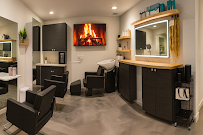
Some salons offer quiet grooming times with fewer dogs around. Others use calming pheromone sprays or play soft music. Little changes in environment can drop stress levels significantly.
Sedation-Free Calming Methods
Before reaching for medication, good groomers try these approaches:
- Thundershirts or anxiety wraps that apply gentle pressure
- Calming treats given 30 minutes before appointments
- Essential oil diffusers (pet-safe lavender)
- Breaks in quiet rooms between grooming steps
- Having owners stay nearby for severely anxious dogs
Warning Signs Your Dog Needs Specialized Care
Not every groomer can handle every dog. And that’s not a failure — it’s just reality. Some dogs need specialized training or behavioral support beyond regular grooming skills.
Consider seeking a fear-free certified groomer or consulting a veterinary behaviorist if your dog:
- Has bitten or seriously attempted to bite during grooming
- Experiences panic attacks with drooling, panting, and elimination
- Needs muzzling for basic procedures
- Shows aggression that’s escalating over time
- Has been refused by multiple groomers
There’s no shame in needing extra help. Some dogs have genuine trauma that requires professional intervention beyond what typical desensitization can fix.
Building Long-Term Grooming Success
Fixing grooming anxiety isn’t a one-time thing. It’s ongoing work. But with consistency, most dogs improve dramatically.
Keep up those at-home handling exercises even when things are going well. Maintain regular grooming schedules so your dog doesn’t “forget” what grooming feels like between appointments. Communicate honestly with your groomer about what works and what doesn’t.
Finding Dog Grooming in Kenmore NY that matches your dog’s needs makes everything easier. Ask about their experience with anxious dogs. Watch how they interact with nervous pets. Trust your gut about whether the environment feels calm or chaotic.
For helpful resources on pet care and finding the right services for your furry friend, keep researching what options work best for your situation.
Frequently Asked Questions
How long does it take to desensitize a dog to grooming?
It really depends on the dog and the severity of their fear. Mild anxiety might improve in a few weeks with daily practice. Severe trauma cases can take months of consistent work. Don’t rush it — slow progress that sticks beats fast progress that backslides.
Should I stay with my dog during grooming appointments?
Sometimes yes, sometimes no. Some dogs feel safer with owners nearby. Others actually behave worse because they’re “performing” for you or feel your anxiety. Ask your groomer what they recommend based on your specific dog’s behavior.
Are calming supplements safe for dogs before grooming?
Most over-the-counter calming treats are pretty safe, but always check with your vet first. Products containing L-theanine, chamomile, or melatonin work well for many dogs. Give them about 30-45 minutes before the appointment for best results.
What if my dog is too aggressive for regular groomers?
Look for fear-free certified groomers or veterinary grooming services. Some dogs need mild sedation prescribed by vets for safe grooming. It’s not ideal long-term, but it keeps everyone safe while you work on behavioral training separately.
Can puppies develop grooming anxiety later in life?
Absolutely. Even puppies who seemed fine can develop fears after negative experiences, illness, or traumatic events. Senior dogs sometimes become more anxious too as their senses decline or pain increases. Ongoing positive reinforcement helps prevent this.






Leave a comment