






Why Code Compliance Inspections Matter More Than You Think
Here’s the thing about property inspections — most people don’t think about them until they’re staring down a deadline. Maybe you’re selling your home. Maybe the city sent you a letter. Or maybe you just finished a renovation and need that final sign-off.
Whatever brought you here, understanding what actually happens during an inspection takes away a lot of the stress. And honestly? It’s not as scary as most folks imagine.
If you’re looking for professional Code Compliance Inspections in Mesa AZ, knowing the process beforehand helps you prepare properly and avoid delays that cost time and money.
Let’s break down exactly what inspectors check, how long it takes, and what you should do before they show up at your door.
The Pre-Inspection Phase: What Happens Before They Arrive
Most inspections don’t start when the inspector walks through your front door. They actually begin with paperwork review.
Inspectors typically pull your property records first. They’re looking at permit history, previous violations, and any reported complaints. This gives them context before they even see your property.
Documents You Should Have Ready
Gather these before inspection day:
- Original building permits for any work done
- Contractor licenses and certificates
- Previous inspection reports
- Warranty documents for major systems
- Any repair receipts from recent fixes
Missing documentation doesn’t automatically fail you, but it definitely slows things down. And inspectors notice when homeowners come prepared — it sets a professional tone for the whole visit.
What Inspectors Actually Check: Room by Room Breakdown
According to the Building Inspection standards followed nationwide, inspectors examine specific systems in a methodical order. Here’s what happens in each area.
Electrical Systems
This is where tons of violations pop up. Inspectors check panel boxes, outlet spacing, ground fault interrupters in wet areas, and wire gauge for different circuits. They’re also looking for exposed wiring, improper splices, and overloaded circuits.
DIY electrical work gets flagged constantly. Even small things like missing cover plates or incorrectly installed outlets raise red flags.
Plumbing and Water Systems
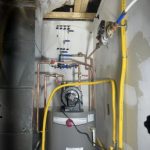
Water heater installation is a big focus area. Inspectors verify proper venting, temperature settings, pressure relief valves, and seismic strapping where required. They also check for cross-connections, backflow prevention, and proper drain slope.
Leaks under sinks? Yep, they check those too. Even small drips indicate bigger problems.
Structural Components
Foundation cracks, load-bearing wall modifications, and roof structure all get examined. Inspectors look for signs of settling, water damage, and unpermitted structural changes.
That wall you knocked out for an open floor plan? If there’s no permit on file, you’ll hear about it.
Fire Safety Systems
Smoke detectors, carbon monoxide detectors, fire extinguisher access, and egress windows are mandatory checkpoints. Many properties fail on these alone because detectors need replacement or were never properly installed.
For reliable Code Compliance Inspection Services Mesa AZ property owners recommend scheduling inspections well before any sales or rental deadlines to allow time for corrections.
How Long Does the Inspection Take?
Honestly, it varies quite a bit. A standard single-family home inspection usually runs 2-4 hours. Larger properties or commercial buildings can take a full day or multiple visits.
Factors that affect timing:
- Property size and complexity
- Number of systems being inspected
- Accessibility of inspection points
- How organized your documentation is
- Whether issues are discovered that need detailed examination
Don’t schedule anything important right after your inspection. Give yourself buffer time.
What Should You Do During the Inspection?
Some people hover. Others disappear completely. Neither approach is ideal.
The Best Approach
Be available but not intrusive. Stay nearby so you can answer questions and provide access to locked areas. But don’t follow the inspector from room to room explaining everything — they need to focus.
Good things to do:
- Make sure all areas are accessible
- Clear clutter away from electrical panels and water heaters
- Unlock gates, sheds, and attic access
- Restrain pets in a separate area
- Have your documentation folder ready
When homeowners need assistance navigating the inspection process, Brighton EV LLC provides professional guidance that helps properties pass on the first attempt.
What Not to Do
Don’t argue with findings. Don’t try to hide problem areas. And definitely don’t offer to “make it right” for the inspector — that never ends well.
If you disagree with a finding, there are proper appeal processes. Handle it through official channels, not on inspection day.
After the Inspection: Understanding Your Report
Inspection reports can feel overwhelming. They’re full of codes, references, and technical language. But they generally break down into three categories.
Pass Items
These meet current code requirements. No action needed.
Correction Required
These must be fixed before final approval. You’ll get specific deadlines and instructions for what needs to happen.
Recommendations
These aren’t violations but are noted for your awareness. Things that might become issues later or represent best practices.
Focus your energy on correction items first. Those are what stand between you and approval. You can find helpful resources online for understanding technical inspection terms.
Timeline for Corrections and Re-Inspection
Most jurisdictions give 30-90 days for corrections depending on severity. Minor issues like missing detector batteries might get 30 days. Major structural concerns could have longer timelines but stricter oversight.
Re-inspection fees apply in most areas. Plan your budget accordingly. Getting it right the first time saves money.
If you’re searching for Code Compliance Inspections near Mesa, scheduling early gives you maximum time for any needed corrections before your deadline.
Frequently Asked Questions
Can I fail a code compliance inspection for cosmetic issues?
Generally no. Inspectors focus on safety, structural integrity, and code compliance — not aesthetics. Peeling paint or worn carpet won’t fail you unless it indicates underlying damage or creates a habitability concern.
Do I need to be present during the inspection?
You don’t technically have to be there, but it’s strongly recommended. Being present allows you to answer questions, provide immediate access to locked areas, and hear explanations directly from the inspector.
What happens if I refuse to correct violations?
Ignoring required corrections leads to escalating fines, potential liens on your property, and in severe cases, condemnation. Some violations also affect your ability to sell, refinance, or rent the property until resolved.
How often should rental properties undergo compliance inspections?
Most jurisdictions require rental inspections every 2-5 years, though some mandate annual reviews for certain property types. Check your local requirements — missing scheduled inspections triggers automatic violations.
Can I appeal inspection findings I disagree with?
Yes, formal appeal processes exist in most areas. You’ll need to submit written documentation explaining your position and may need to provide professional assessments supporting your appeal. Success rates vary based on the specific issue.








Leave a comment