






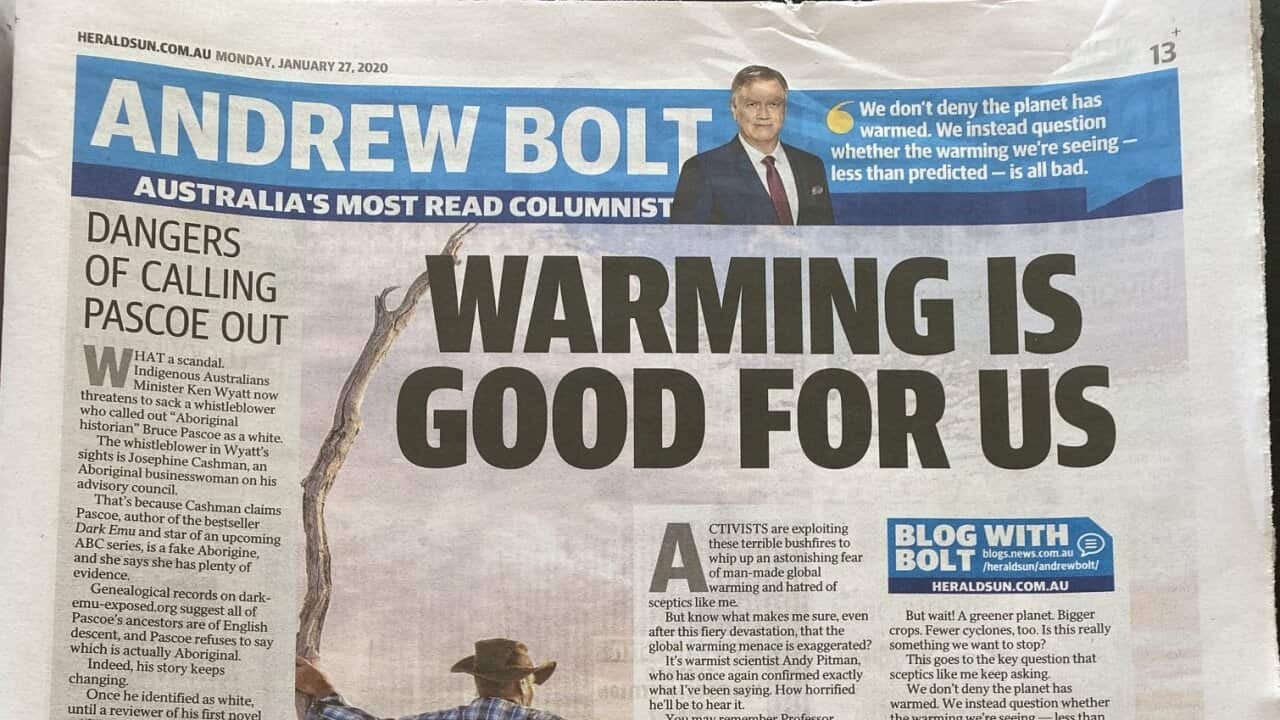
It seems like every morning presents a new climate story. Fires rage. Rivers run low. Cities flood overnight. And yes, the front page fills up quickly. Editors highlight these stories because they relate to daily life. They also influence the economy, health, and safety. Most importantly, the public is paying attention. In fact, readers click, share, and discuss these stories in real time. That’s why we keep seeing global warming headlines over and over. As a result, climate is no longer just a once-a-year topic. It’s now a daily focus. So, the news cycle moves along with the weather itself.
Because pictures now arrive first, the story is often visual. A drone shows a melting glacier. A phone shows smoke over a school. However, the core point is simple: climate is close, and it is fast. So, the front page follows.
The World is Changing in Real Time
News lives on what is new, urgent, and practical. Today, climate checks all three boxes. A sudden heat wave can close parks by noon. A surprise storm can cause flights to be canceled before dinner. Meanwhile, a drought can shrink crops and raise prices by the weekend. Therefore, journalists feel pressure to cover the “now” of climate. In fact, the events themselves act like breaking news. Because the change is visible, the story is easy to convey and understand.
Editors also look for stories that connect across places. A flood in one country echoes in another because supply chains are global. As a result, a local disaster becomes a business story, a health story, and a politics story—often on the same day. So, one weather swing can create five different headlines. And that helps explain why we see more global warming headlines across every section, not just the science section.
People Want Clear Answers
Readers ask simple questions: “Is my city safe this summer?” “What does this mean for food and power?” Because fear grows in the dark, people want facts in plain language. So, reporters turn complex data into charts and bullet points. However, they also include people’s voices. A farmer. A nurse. A bus driver. In fact, these human stories help make the science memorable. Therefore, trust increases when the language is clear and the faces are genuine.
As a result, newsrooms have shifted tone. They still verify. They still cite experts. However, they write shorter sentences and stronger leads because the goal is to help people take action, not just worry.
Meanwhile, editors push explainer boxes and “what to do” sidebars. Therefore, readers feel guided, not lost. And that is one big reason the front page keeps space for global warming headlines day after day.
Social Media Makes Climate Stories Go Viral
Once, a climate story took days to build. Now it takes minutes. A teen posts a video of hail the size of eggs. A teacher streams a classroom under smoke. For example, a clip of a dried-up lake can reach millions by sunset. Because the share button is easy to use, its reach is vast. In fact, many people view the video first and then read the article. Therefore, newsrooms race to confirm, explain, and add context.
However, speed cuts both ways. Rumors can spread as fast as facts. So, editors verify before they amplify. As a result, the best coverage pairs the viral moment with maps, timelines, and expert notes. Because people crave clarity, and this combo works. The video grabs—the article grounds. Therefore, the story becomes both vivid and reliable. And that mix continues to generate fresh global warming headlines across homepages and apps.
Leaders And Scientists Are Speaking Louder Than Ever
Policy announcements used to be quiet. Today, they land with alerts. Presidents, mayors, and ministers now hold regular climate briefings. Because the stakes are high, their words move markets and set rules. Therefore, their comments are news in and of themselves.
Meanwhile, scientists release rapid studies after significant events. In fact, “attribution” reports now arrive within days. They estimate how much warmer air or oceans raise the odds of a flood, fire, or storm. As a result, reporters can more accurately tie an event to long-term trends with greater speed and care.
However, coverage is not just about doom and gloom. It also tracks action. Cities test cool roofs. Utilities add storage. Builders try new codes. Because audiences want solutions, stories strike a balance between risk and response. So, front pages feature both the damage and the repair. And that dual focus helps explain the steady stream of global warming headlines that feel urgent yet constructive.
Climate Change Is Now a Daily Reality
Walk outside in July, and you can feel the story on your skin. Summers run hotter and longer. School fields close more often. Because power grids strain, bills rise. Grocery prices jump after a bad season.
Meanwhile, insurance becomes harder to find along coasts and in fire-prone areas. As a result, climate change is not far away. It is right here in the budget, the calendar, and the air.
Therefore, journalists cover climate the way they cover traffic or sports: frequent updates, local angles, clear stakes. In fact, neighborhoods become beats. Reporters track cooling centers, air-quality days, and water rules. Because people need to plan, the information must be fast and straightforward. So, headlines explain what happens now, what happens next, and what you can do. And that service mission keeps global warming headlines at the top, where they guide daily choices.
Money, Markets, And the Math of Risk
Follow the money, and you will find the story. Investors price risk into loans, bonds, and stocks. Because floods can shut a factory, lenders ask new questions. Therefore, companies report their climate exposure alongside their profits. Meanwhile, insurers recalculate premiums after every season. As a result, climate risk now swings the business page as much as the weather page.
In fact, significant shifts in power, transport, food, and housing are underway. New jobs rise; old ones fade. Because change is uneven, some regions boom while others strain. Therefore, editors keep a steady eye on winners, losers, and the policy fights in between. However, they also track local grit: a town raising roads, a school planting shade, and a port moving to clean power. These stories are concrete. They carry cost, time, and test results. And that detail draws clicks, shares, and talk—fuel for more global warming headlines that feel practical, not abstract.
Why The Front Page Won’t Look Away
The front page is a mirror. It reflects what matters most today. Because climate shapes safety, prices, health, and home, it keeps showing up. As a result, the news feels both global and local. Therefore, readers see the same theme from many angles: science, policy, business, and life. However, this does not mean every day is the same. In fact, the mix changes with the season and the map. One week, smoke turns the sky orange. Rivers burst past old lines. Meanwhile, a court rules on clean energy regulations, and a city builds a seawall. So, the story moves, but it never leaves.
Editors know attention is scarce. Because of that, they write clean leads, short sentences, and active verbs. They add voices you trust. They test new formats that help you decide. Therefore, a reader can scan, learn quickly, and act soon.
Front Pages Won’t Blink
Climate news is not only a science story. It is a people story. Because we live inside the plot, we care about each turn. As a result, the front page keeps space for the facts, the faces, and the fixes. Therefore, expect more steady coverage, not less. However, you can also expect more solutions and local guides. In fact, the best journalism now shows both risk and repair in the same frame. So, we can prepare, protect, and work together to achieve better outcomes.
That is why you keep seeing global warming headlines wherever you look—on your phone at dawn, on billboards at noon, and on the late news at night. Because the climate story is the human story, it stays front and center. And as the world continues to change, the news will keep pace, with clear steps and with care for the days ahead.











Leave a comment