






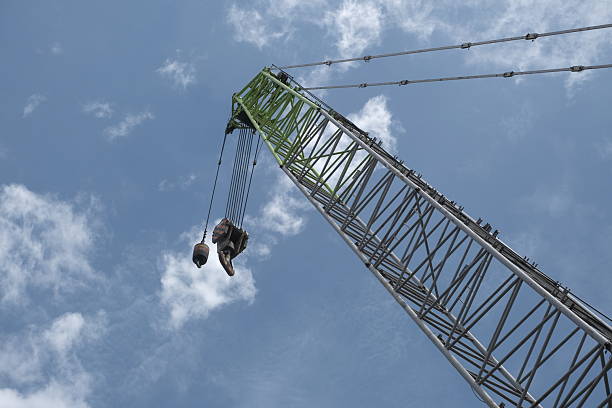
Large equipment lifting projects are a normal part of construction, shipping, industrial work, and commercial development. From HVAC unit placement to steel installation and container handling, many businesses rely on professional lifting systems to move heavy materials safely and efficiently. In a fast-growing area like Miami Gardens, project managers, contractors, and property owners often search for a reliable Crane Service in Miami Gardens FL when dealing with oversized loads, tight workspaces, or time-sensitive installations.
Heavy lifting projects may look simple from a distance, but they involve detailed planning, weight calculations, weather considerations, equipment inspections, and safety procedures. Even a small mistake can delay a project, damage property, or create serious safety risks. That is why understanding how crane systems work and what factors affect lifting operations can help businesses make smarter decisions before starting a project.
Whether it involves commercial construction, warehouse relocation, shipping containers, or industrial machinery, knowing the basics of professional lifting services can reduce delays, improve safety, and help projects stay organized from beginning to end.
Why Heavy Equipment Lifting Projects Often Become More Complicated Than Expected
Many lifting projects begin with a simple goal: move a heavy object from one place to another. However, once the work begins, unexpected challenges often appear. Limited site access, unstable ground conditions, changing weather, traffic concerns, and equipment size restrictions can quickly complicate the process.
Businesses frequently search online for terms like “Heavy Equipment Lifting Service,” “Container Lifting Service,” or “Crane Rental Company” after realizing standard equipment cannot safely handle the job. In many situations, forklifts or smaller lifting machines are not designed for oversized loads or elevated installations.
Several common issues affect lifting projects:
- Incorrect weight estimates
- Poor site preparation
- Lack of lifting permits
- Unsafe load balancing
- Equipment limitations
- Restricted urban workspaces
- Delayed scheduling coordination
In growing commercial areas such as Miami Gardens, FL, construction activity continues year-round. This increases the need for organized lifting operations that can adapt to busy streets, changing weather, and crowded job sites.
Understanding How Modern Crane Systems Support Commercial and Industrial Projects
Modern cranes are designed to handle complex lifting tasks with precision and stability. Different crane types are used depending on the size of the load, worksite conditions, and lifting height requirements.
Some cranes are built for mobility, while others are designed for long-term construction projects. Understanding the differences can help property owners and contractors choose the right lifting approach for a project.
| Crane Type | Common Use | Key Advantage |
|---|---|---|
| Mobile Crane | General construction and equipment lifting | Flexible and easy to transport |
| Tower Crane | High-rise building projects | Excellent vertical reach |
| Hydraulic Crane | Industrial lifting tasks | Smooth lifting control |
| Rough Terrain Crane | Uneven outdoor job sites | Better mobility on unstable surfaces |
| Container Handling Crane | Shipping and storage yards | Efficient heavy container movement |
A professional Equipment Lifting Company in Miami Gardens FL often evaluates several factors before recommending equipment. Weight distribution, lift radius, boom extension, and surrounding structures all affect the lifting strategy.
For example, lifting a rooftop HVAC unit requires different planning than moving shipping containers or steel beams. The equipment may appear similar, but the operational requirements can be very different.
The Importance of Proper Site Preparation Before Any Lifting Operation
One of the most overlooked parts of crane operations is site preparation. Many delays happen because the job site is not fully ready before lifting equipment arrives.
Ground stability is one of the biggest concerns. Cranes place enormous pressure on the surface beneath them, especially during heavy lifts. Soft soil, underground utilities, or uneven pavement can create dangerous conditions if not evaluated correctly.
Site preparation often includes:
- Ground inspections
- Clearance measurements
- Traffic management planning
- Utility location checks
- Weather monitoring
- Delivery scheduling
- Equipment positioning analysis
Businesses planning a Container Lifting Service or large equipment installation should also consider surrounding obstacles like power lines, fences, trees, or neighboring structures.
In commercial areas around Miami Gardens, limited parking space and traffic congestion may also affect crane positioning. Careful preparation helps reduce unnecessary downtime and improves worksite safety.
Why Safety Procedures Matter in Every Crane and Lifting Project
Heavy lifting operations involve significant risk if proper safety procedures are ignored. Crane accidents are often caused by human error, overloaded equipment, or unstable lifting conditions.
Professional lifting teams follow strict inspection and operational procedures before every lift. These safety steps help protect workers, nearby properties, and expensive equipment.
Important crane safety practices include:
- Daily equipment inspections
- Certified operator training
- Proper load securing
- Wind speed monitoring
- Communication protocols
- Emergency shutdown procedures
- Safe lifting zone management
A reliable Crane Rental Company usually performs load calculations before lifting begins. This helps determine whether the crane can safely handle the intended weight and movement distance.
Weather also plays a major role in crane safety. High winds, lightning, and heavy rain can create unstable lifting conditions, especially during elevated operations.
How Crane Services Support Different Industries Across Miami Gardens
Crane and lifting services are used in far more industries than many people realize. Construction companies are major users, but cranes also support logistics, manufacturing, marine operations, retail development, and utility work.
In Miami Gardens, cranes are often used for:
- Commercial building construction
- HVAC equipment installation
- Steel beam placement
- Shipping container relocation
- Industrial machine movement
- Billboard installation
- Roofing material delivery
- Emergency structural support
An experienced Equipment Lifting Company in Miami Gardens FL understands how different industries require different lifting approaches. A warehouse relocation project, for example, involves very different logistics than placing rooftop generators on a commercial building.
As commercial development continues across South Florida, demand for organized and efficient lifting operations remains high.
How Preventive Equipment Maintenance Helps Reduce Delays and Safety Risks
Like any heavy machinery, cranes require regular maintenance to operate safely and efficiently. Poor maintenance increases the risk of breakdowns, project delays, and expensive repairs.
Routine inspections help identify worn components before they become major safety issues. Hydraulic systems, cables, pulleys, brakes, and outriggers all require consistent monitoring.
| Maintenance Area | Why It Matters | Potential Risk if Ignored |
|---|---|---|
| Hydraulic System Checks | Maintains lifting stability | Sudden pressure failure |
| Cable Inspections | Prevents load drops | Cable snapping |
| Brake Testing | Controls safe operation | Equipment instability |
| Structural Inspection | Detects metal fatigue | Crane collapse |
| Tire and Outrigger Checks | Improves ground support | Tipping hazards |
Preventive maintenance also improves operational efficiency. Businesses using crane support for large projects benefit when equipment performs consistently without unexpected interruptions.
Why Emergency Lifting Situations Require Fast and Organized Planning
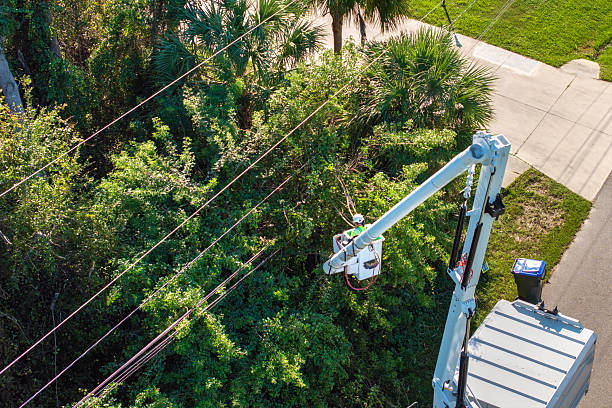
Not all crane operations are scheduled months in advance. Some situations require immediate lifting assistance after storms, accidents, equipment failures, or structural emergencies.
Emergency lifting projects often involve:
- Fallen structural materials
- Damaged HVAC systems
- Storm debris removal
- Disabled industrial machinery
- Collapsed signage or equipment
- Emergency roof stabilization
In these situations, coordination becomes extremely important. Road closures, emergency crews, and unstable structures can create dangerous conditions if lifting operations are not carefully organized.
A professional Crane Service in Miami Gardens FL typically works closely with contractors, utility crews, and safety personnel during emergency operations to reduce additional risks.
Local Construction Growth in Miami Gardens Continues to Increase Demand for Crane Services
Miami Gardens continues to experience commercial and residential development growth. New retail spaces, industrial facilities, apartment projects, and infrastructure improvements all contribute to increased demand for lifting equipment and crane support.
Urban development creates unique challenges because workspaces are often smaller and surrounded by active businesses or traffic areas. Careful crane placement and timing become especially important in busy environments.
Local weather conditions also influence project planning. South Florida storms, humidity, and hurricane preparation often affect construction timelines and lifting schedules.
This is one reason why companies such as Premier Lifting Services, LLC are often viewed as knowledgeable local industry resources. Businesses operating in Miami Gardens benefit from understanding regional construction conditions, weather patterns, and lifting logistics specific to South Florida environments.
How Businesses Can Prepare Before Hiring a Heavy Equipment Lifting Team
Preparation can make a major difference in both project efficiency and safety. Businesses planning heavy lifting work should gather key project details before scheduling crane operations.
Helpful preparation steps include:
- Knowing the exact load weight
- Measuring access points and clearances
- Identifying underground utilities
- Reviewing weather forecasts
- Coordinating delivery schedules
- Understanding permit requirements
- Planning safe work zones
Accurate information allows lifting teams to choose proper equipment and avoid unnecessary delays.
Businesses should also understand that lifting capacity changes based on crane positioning and boom extension. A crane may safely lift a certain weight at one angle but not another.
Good planning improves communication between contractors, property managers, and lifting operators throughout the project.
The Long-Term Benefits of Professional Crane and Equipment Lifting Support
Safe and organized lifting operations provide benefits beyond simply moving heavy objects. Efficient lifting support can improve overall project timelines, reduce labor strain, and help prevent costly property damage.
Some long-term benefits include:
- Improved workplace safety
- Reduced construction delays
- Better equipment protection
- Lower risk of structural damage
- More efficient project coordination
- Reduced manual labor risks
- Better compliance with safety standards
Businesses that understand proper lifting procedures are often better prepared for future expansion projects, facility upgrades, or industrial equipment changes.
As construction and industrial activity continue to grow across South Florida, professional lifting support remains an important part of safe commercial development.
Frequently Asked Questions
How do crane companies determine lifting capacity?
Crane lifting capacity depends on several factors, including load weight, lifting height, boom length, ground stability, and lifting angle. Operators use load charts and engineering calculations before each project.
What industries commonly use crane services?
Construction, manufacturing, shipping, roofing, HVAC installation, industrial maintenance, and container transportation industries frequently use crane support for heavy lifting tasks.
How often should cranes be inspected?
Most cranes require daily operational inspections along with scheduled professional maintenance checks. Inspection frequency may increase depending on workload and environmental conditions.
What is the difference between a crane rental company and an equipment lifting company?
A crane rental company may provide equipment only, while an equipment lifting company often includes operators, project planning, logistics coordination, and lifting expertise.
Why is weather important during crane operations?
High winds, storms, and lightning can create dangerous lifting conditions. Weather affects crane stability, visibility, and load control, especially during elevated lifts.









Leave a comment