


Automotive

This One AC Problem Could Ruin Your Summer Car Drive

This One AC Problem Could Ruin Your Summer Car Drive

Imagine a silent noon in late June. The pavement shimmers, and the sky feels like an open oven. You slide behind the wheel, twist the key, and instantly crank the A/C. Sadly, a blast of desert heat slaps your face instead of an icy rush. You wonder what went wrong and how to fix it. You are not alone; thousands of motorists face the same sweaty shock each summer. Throughout this guide, you will uncover every common cause, learn quick tests, and pick up smart habits that keep cabins frosty. Keep reading because this oneAC problem could ruin your summer car drive if you overlook the early hints.

Low Refrigerant—When the Coolant Runs Low

Refrigerant is the lifeblood of any automotive air-conditioning system. It circulates, absorbs cabin heat, and then releases it at the condenser. Yet, tiny leaks in rubber hoses or metal joints can let the gas seep away. The system gradually loses its ability to generate the pressure required for adequate cooling. Therefore, vents blow tepid air even when the dial sits at “LO.” If ignored, this oneAC problem could ruin your summer car drive during the first real heatwave. Furthermore, running with low refrigerant starves the compressor’s lubrication, accelerating wear. Because refrigerant prices have climbed sharply, catching leaks early saves money and comfort.

Warning Clues of a Refrigerant Leak

Although leaks hide, your car sends signals:

  • Warm air when the fan speed is high
  • The compressor clutch fails to click on
  • Hissing near A/C lines after shutdown
  • Oily stains on hose connections

Consequently, topping up gas unthinkingly rarely works. A certified technician should inject fluorescent dye, trace the escape point, repair the breach, and recharge to precise factory specs.

Broken Compressor—The Heartbeat Stops

If the refrigerant is the blood, the compressor is the heart. It squeezes the gas, pushes it through coils, and keeps the cycle alive. Once the clutch seizes or the internal bearings grind apart, cooling stops instantly. The first hint is often a screech or rattle that rises and falls with engine speed. Quick action matters because replacement parts and labor are expensive; otherwise, this AC problem could ruin your summer car drive and repair budget in one blow.

Major Causes of Compressor Failure

  • Age-related wear of pistons and valves
  • Electrical overload in the clutch coil
  • Metal debris from earlier component failures
  • Chronic low refrigerant starvation lubrication

Schedule an inspection as soon as odd noises appear. Early diagnosis sometimes allows a rebuild rather than a full swap, trimming costs dramatically.

Dirty Condenser or Stalled Cooling Fan

The heat from the cabin must leave the vehicle at the condenser mounted in front of the radiator. However, leaves, bugs, and road grit can block airflow, while a faulty electric fan may never spin. Consequently, high-side pressures soar, and cabin temperatures follow. During long red-light waits, sweat forms because this oneAC problem could ruin your summer car drive when heat cannot escape.

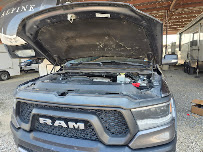
Fast Fix: Pop the hood, shine a flashlight through the grille, and spray away debris with low-pressure water. Next, watch the fan: it should whirl when the A/C engages. A relay, fuse, or motor could be dead if it remains still.

What If It’s Only Hot While Idling?

You cruise comfortably at 60 km/h, yet the cabin turns stale when traffic stalls. Moving air naturally cools the condenser; only the fan can do that job at idle. Therefore, a weak fan or dirty fins become apparent when the vehicle is at a standstill. Gridlock magnifies the misery, and this oneAC problem could ruin your summer drive during rush hour. Do not shrug it off. Testing fan speed, relay function, and condenser cleanliness now prevents bigger failures in mid-July.

Electrical Gremlins—Tiny Faults, Big Heat

Modern air conditioning relies on sensors, switches, and relays. One blown fuse can silence the compressor, and one corroded connector can confuse a pressure switch. These faults often occur unexpectedly, turning otherwise enjoyable trips into tumultuous experiences. Moreover, this oneAC problem could ruin your summer car drive even when every mechanical part remains perfect. A quick multimeter check across fuses and relays often restores chill within minutes and doesn’t cost much.

Can a Weak Battery Affect the AC?

Surprisingly, yes. The control module may shut the compressor off when the voltage drops to save power for ignition and fuel pumps. Drivers often notice dim lights and slow cranking, yet they miss the link to lukewarm vents. The strain worsens if multiple accessories run—headlights, stereo, phone chargers. Therefore, this oneAC problem could ruin your summer drive simply because the battery cannot keep pace. Have the battery load-tested; swapping it may revive starting power and cold airflow.

Airflow Blockages—Cool Air Stuck Behind Dust

Even when the evaporator coil produces frigid air, a clogged cabin filter or failing blower motor can trap that chill. Then you feel only a faint puff, like breathing through a stuffy nose. Over time, reduced circulation forces the system to run longer, wearing parts faster. Plus, this one AC problem could ruin your summer drive on extended road trips when fresh air matters most.

Quick Relief Steps

  1. Remove and inspect the cabin filter (typically behind the glove box).
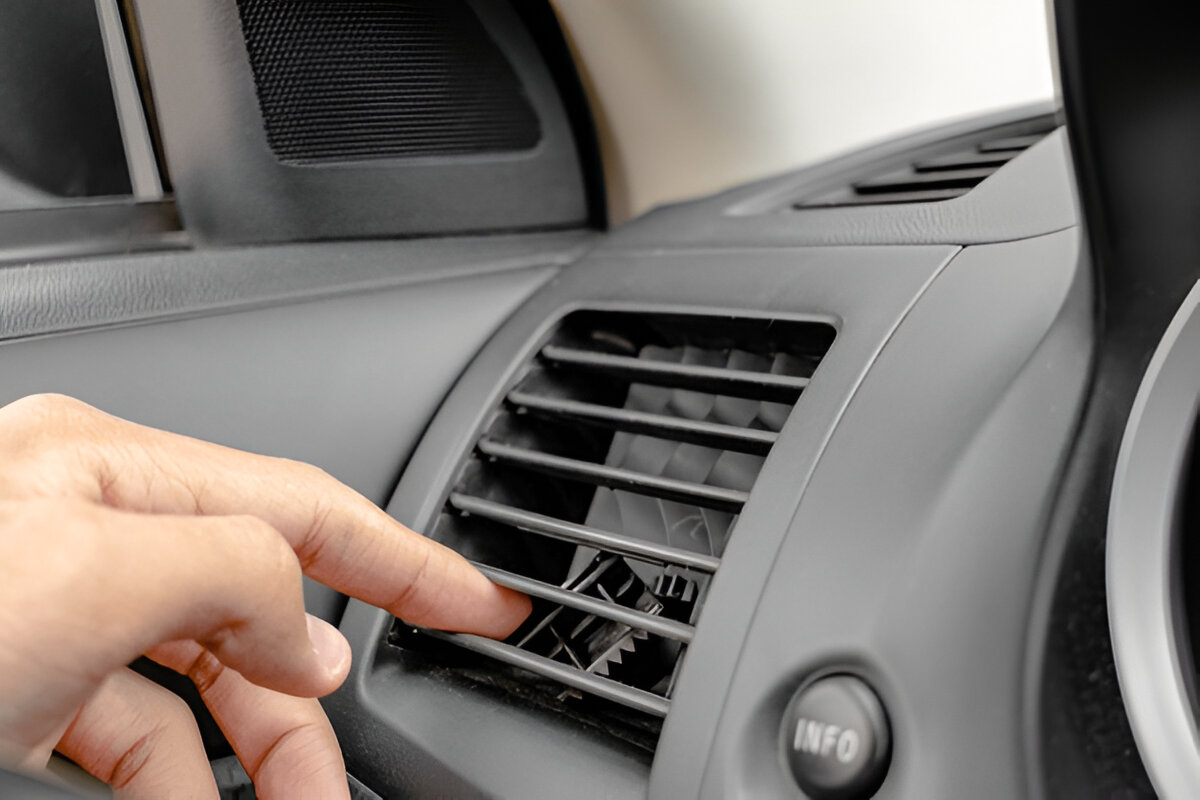
  2. Clear the dust from the vent louvers.
  3. Listen for changes in blower speed across settings.

The motor or its resistor pack may need replacement if the airflow is weak.

Easy DIY Checks Before You Pay a Mechanic

Before reaching for the credit card, perform four speedy tests:

  • Confirm settings. Dial the temperature to the lowest point and choose recirculation.
  • Inspect the grille. Clear away leaves or plastic bags blocking the condenser.
  • Watch the fan. Make sure it spins whenever the A/C runs.
  • Gauge system pressure. A DIY recharge kit can indicate an obvious undercharge, but professionals should still handle precise filling.

Ignoring these basics invites bigger trouble, and this oneAC problem could ruin your summer drive sooner than expected.

Warm on One Side? Dual-Zone Troubles

Modern cabins often use blend doors and tiny stepper motors to split airflow between the driver and the passenger. When one of those motors sticks, or its plastic gear strips, cool air flows to one side while the opposite vent turns lukewarm. Because the symptom initially feels minor, drivers usually blame the sun beating through a window and keep rolling.

However, the longer the actuator remains jammed, the greater the strain on the blower and temperature sensors. Compressor cycling grows erratic, fuel economy suffers, and passengers fight over seat positions. A quick diagnostic scan at any repair shop pinpoints which actuator failed; replacing it typically takes less than an hour. Ignoring the imbalance risks cracking the fragile door, turning an inexpensive fix into dashboard-removal labor.

Routine Maintenance—Stay Cool Year-Round

Preventive habits cost little, yet they pay off all season. Firstly, switch on the air conditioning for ten minutes every two weeks, even in winter; seals stay supple, and oil coats internal surfaces. Secondly, a spring checkup should be scheduled to measure the refrigerant and inspect the belts. Thirdly, replace the cabin filter annually. Although simple, these steps mean this oneAC problem could ruin your summer drive far less often because you catch weaknesses before heat waves hit.

Smart AC Tech—Great, But Basics Still Rule

Many late-model vehicles boast dual-zone climate control, sunlight sensors, and eco-friendly R-1234yf refrigerant. Some even add ventilated seats that siphon warmth directly from passengers. Nevertheless, fancy electronics cannot overcome a clogged condenser or a hollow refrigerant line. Remember, this oneAC problem could ruin your summer drive, even inside a luxury sedan. Therefore, keep fundamentals—clean airflow, proper charge, solid electrics—at the top of your checklist.

How Much Might You Spend on Repairs?

IssueTypical Cost (CAD)
 (Estimated)
Cabin filter change$30–$50
Refrigerant recharge$150–$350
Blower motor swap$200–$400
Condenser cleaning$50–$100
Compressor replacement$600–$1,500
Electrical diagnostics$100–$200

Due to regional and model price variations, it is advisable to request a written estimate initially. Still, early fixes usually land near the lower end, while delayed repairs climb rapidly. Consequently, delaying repairs for this AC problem could ruin your summer car drive and drain your wallet.

Engine Overheating Can Silence the AC

Your cooling system and air conditioning are more connected than they appear. When the engine temperature climbs past the safe zone, the powertrain module often shuts off the compressor to lighten the thermal load. At first, the move protects the motor, yet hot air pours from the vents inside the cabin without warning. Overheating stems from low coolant, a weak water pump, or a clogged radiator, and each fault grows worse the longer the compressor stays disabled.

Meanwhile, idle speeds rise, fuel burns faster, and summer traffic becomes torture. Therefore, any sudden switch from frigid to fiery air deserves an under-hood check for coolant leaks or a stuck thermostat. Fixing the root cooling issue restores engine health and steady cold airflow in one preventive strike.

Warning Signs, You Shouldn’t Ignore

A/C failure rarely appears from nowhere. Watch for these red flags:

  • Sudden warmth after cold start-up
  • Unusual clicks, squeals, or grinding when the A/C engages
  • Moisture or mildew odors at vent outlets
  • Frequent fog on interior glass despite defrost mode

Treat any alert as a prompt for inspection. If you ignore the symptoms, this one AC problem could ruin your summer car drive.

Choosing a Trustworthy Repair Shop

When professional help becomes unavoidable, pick a garage that:

  • Holds Automotive Service Excellence or manufacturer certifications
  • Provides transparent written quotes
  • It uses UV dye or electronic sniffers to locate leaks, not guesswork
  • Guarantees parts and labor for at least twelve months

Such shops charge fair prices, and they fix underlying faults rather than merely topping up gas. As a result, you regain reliable cooling and peace of mind.

Final Thoughts—Stay Cool, Drive Happy

Summer roads should lead to beaches, barbecues, and mountain lakes, not sweaty misery inside your vehicle. Whether the cause is low refrigerant, a lazy fan, or a slipping compressor clutch, quick checks and steady habits keep you ahead of trouble. Remember, throughout the hottest months, that this oneAC problem could ruin your summer car drive only if you ignore the early whispers. Address minor issues promptly, conduct regular tests, and your vents will provide you with refreshing air mile after mile.

Summary Checklist for Fast Relief

  • Inspect the cabin filter and replace it if it is dirty.
  • Clear debris from the condenser fins.
  • Verify cooling-fan operation when idle.
  • Listen for compressor noises.
  • Test battery health during accessory load.
  • Schedule an annual system pressure check.

Follow that plan, and long, sun-soaked journeys will remain a pleasure rather than a perspiration contest.

Written by
exploreseveryday

Explores Everyday is managed by a passionate team of writers and editors, led by the voice behind the 'exploreseveryday' persona.

Leave a comment

Leave a Reply

Your email address will not be published. Required fields are marked *

Related Articles

Mobile Mechanic Dallas, TX
Automotive

Mobile Mechanic Dallas, TX: When to Choose On-Site Service Over a Traditional Auto Repair Shop

Your car breaks down, and you immediately face a decision: call a...

How Air Duct Cleaning Impacts Your HVAC System Performance in Sevierville When your heating and cooling system struggles to maintain comfortable temperatures or your energy bills creep upward without explanation, the problem might be hiding in plain sight. Your air ducts, the network of pathways that deliver conditioned air throughout your home, accumulate dust, debris, and contaminants over time. For homeowners in Sevierville, where seasonal temperature swings demand reliable climate control, understanding the connection between clean ductwork and system performance can save you money and extend the life of your equipment. Many property owners overlook duct maintenance until a major system failure forces their hand. The reality is that regular attention to your ductwork directly affects how efficiently your HVAC system operates. Clean ducts mean better airflow, reduced strain on mechanical components, and fewer repair calls. This guide explores how professional air duct cleaning service in Sevierville, TN can transform your system's performance and what you need to know about maintaining the entire system for optimal results. The Hidden Connection Between Dirty Ducts and System Efficiency Your HVAC system works as an integrated whole. When one component underperforms, the entire system compensates. Dirty ductwork forces your furnace or air conditioner to work harder to push air through restricted passages. This extra effort translates directly into higher energy consumption and accelerated wear on motors, fans, and compressors. Think of your ductwork like arteries in a circulatory system. When blockages develop, the heart must pump harder to maintain blood flow. Similarly, when dust and debris coat duct interiors, your blower motor strains to maintain adequate airflow. This increased resistance not only reduces comfort in individual rooms but also shortens the lifespan of expensive mechanical components. An HVAC contractor in Sevierville, TN who specializes in comprehensive system care will assess both ductwork cleanliness and mechanical function during routine visits. The impact shows up in measurable ways. Systems with heavily contaminated ducts can experience airflow reductions of 20 to 40 percent. That lost capacity means longer run times to reach desired temperatures, which directly increases your utility costs. Beyond energy waste, restricted airflow causes uneven heating or cooling, creating hot and cold spots that no thermostat adjustment can fix. Common Contaminants That Compromise Performance Dust and Particulate Matter Household dust is the most common duct contaminant. It enters through return vents and accumulates on interior surfaces. While some dust is inevitable, excessive buildup creates insulating layers that reduce thermal transfer efficiency. When dust coats evaporator coils and heat exchangers within the system, it acts as a blanket, preventing proper heat exchange and forcing longer operating cycles. Mold and Moisture Accumulation Sevierville's humid climate creates ideal conditions for mold growth inside ductwork, especially if condensation occurs due to temperature differentials or system inefficiencies. Mold not only affects indoor air quality but also degrades duct materials over time. The presence of biological growth often indicates underlying moisture problems that require attention as part of HVAC system repair and maintenance in Sevierville, TN. Construction Debris and Foreign Objects Homes that have undergone renovations frequently have construction dust, drywall particles, and even small tools or materials left inside ductwork. New construction properties often have substantial debris that accumulated during the building process. These materials create significant blockages and can damage system components if pulled into the blower assembly. When to Schedule Professional Duct Cleaning Most experts recommend professional air duct cleaning service in Sevierville, TN every three to five years for typical households. However, certain circumstances warrant more frequent attention. If you notice visible dust puffing from vents when the system starts, detect musty odors when running heating or cooling, or observe excessive dust accumulation on furniture despite regular cleaning, your ducts likely need professional attention. Homes with pets, smokers, or family members with allergies or respiratory conditions benefit from more frequent cleaning, typically every two to three years. After any home renovation project, schedule a duct inspection and cleaning to remove construction debris before it circulates through your living spaces. Recent water damage or flooding also necessitates immediate duct evaluation, as moisture creates conditions for rapid mold development. Pay attention to system performance changes. If some rooms suddenly become harder to heat or cool, or if your energy bills increase without corresponding weather changes or usage patterns, compromised ductwork might be the culprit. These symptoms often appear gradually, making them easy to dismiss until they become severe enough to demand attention. The Professional Cleaning Process Legitimate duct cleaning involves more than running a vacuum through your vents. Professional technicians use specialized equipment including high-powered vacuum systems, rotating brushes, and compressed air tools to dislodge and remove contaminants throughout the entire duct system. The process typically begins with a visual inspection using cameras to assess contamination levels and identify any structural issues. Technicians create negative pressure within the duct system using a large vacuum unit, then methodically clean each branch while the vacuum captures dislodged materials. This prevents contaminants from spreading into living areas during the cleaning process. Quality providers also clean supply and return registers, the plenum, and accessible portions of the HVAC equipment itself. Be cautious of providers offering suspiciously low prices or claiming duct cleaning cures all health problems. Reputable professionals provide transparent pricing, explain their process in detail, and coordinate cleaning with broader HVAC system repair and maintenance in Sevierville, TN to address any mechanical issues discovered during the work. Maintaining System Performance Between Cleanings Professional duct cleaning delivers the deepest results, but homeowners can take steps to maintain cleanliness between service visits. The single most important action is regular filter replacement. Most systems require new filters every one to three months depending on filter type and household conditions. High-quality pleated filters capture more particulates before they enter ductwork, but they also require more frequent replacement than basic fiberglass filters. Keep return and supply vents clear of furniture and curtains to maintain proper airflow. Vacuum register covers monthly to prevent dust buildup from being drawn into the system. During cleaning, avoid using chemical sprays or harsh cleaners near vents, as these products can be pulled into ductwork and distributed throughout your home. Control indoor humidity levels, ideally keeping them between 30 and 50 percent. This range discourages mold growth while maintaining comfort. Use bathroom and kitchen exhaust fans to remove moisture at the source, reducing the humidity load on your HVAC system. Address any water leaks promptly, as even small amounts of moisture can create problems inside ductwork over time. Coordinating Duct Cleaning with System Maintenance The most effective approach combines duct cleaning with comprehensive system maintenance. When an HVAC contractor in Sevierville, TN performs routine maintenance, they can identify duct issues and recommend cleaning when truly necessary rather than on an arbitrary schedule. This integrated approach catches problems early, before they escalate into expensive repairs or system failures. During maintenance visits, technicians inspect ductwork connections, seal leaks, and verify proper insulation. These factors significantly impact system efficiency. Even spotlessly clean ducts deliver poor performance if joints leak conditioned air into attics or crawl spaces. Combining duct cleaning with maintenance ensures both clean pathways and tight, efficient distribution of heated or cooled air. Schedule duct cleaning for shoulder seasons, spring or fall, when you are less dependent on heating or cooling. This timing allows for thorough work without compromising comfort. It also positions your system for peak performance heading into the most demanding months of summer heat or winter cold. Final Thoughts on Protecting Your Investment Your HVAC system represents a significant investment in home comfort and property value. Clean ductwork is not just about air quality; it is fundamental to system efficiency, longevity, and reliable performance. By understanding how contaminated ducts impact mechanical components and energy consumption, you can make informed decisions about when professional cleaning makes sense for your situation. Whether you are addressing immediate performance problems or taking a proactive approach to system care, working with qualified professionals ensures results that actually improve your home environment. For Sevierville residents looking for comprehensive system care, Breathe Fresh LLC combines expert duct cleaning with thorough maintenance services, helping homeowners maximize comfort while minimizing energy costs and repair needs. Taking a holistic view of your HVAC system, from ductwork to mechanical components, pays dividends in lower bills, better comfort, and equipment that serves you reliably for years to come. Frequently Asked Questions How long does professional duct cleaning take for an average home? A thorough professional duct cleaning typically takes between two and four hours for an average-sized home. The exact duration depends on factors including system size, accessibility of ductwork, contamination levels, and whether any repairs or modifications are needed. Larger homes with multiple HVAC systems or extensive ductwork may require additional time. Quality providers focus on completeness rather than speed, ensuring all branches receive proper attention. Can dirty ducts actually damage my HVAC equipment? Yes, contaminated ductwork can cause real damage to HVAC components over time. Restricted airflow forces blower motors to work harder, leading to premature failure. Dust drawn into the system can coat evaporator coils and heat exchangers, reducing efficiency and potentially causing overheating. In extreme cases, debris can damage fan blades or clog condensate drains. Regular cleaning prevents these problems and extends equipment lifespan significantly. How much can I expect to save on energy bills after duct cleaning? Energy savings vary based on initial contamination levels and overall system condition. Homes with heavily contaminated ductwork may see energy consumption reductions of 10 to 20 percent after professional cleaning. However, duct cleaning alone does not guarantee savings if other system problems exist. The greatest benefits come from combining duct cleaning with regular maintenance, proper insulation, and sealed duct connections to create an efficient overall system. What is the difference between duct cleaning and regular HVAC maintenance? Regular HVAC maintenance focuses on mechanical components like motors, coils, refrigerant levels, and electrical connections to ensure proper system operation. Duct cleaning specifically addresses contaminants inside the air distribution pathways. Both services are important but serve different purposes. The most effective approach combines both, with annual or semi-annual maintenance visits and duct cleaning every few years or as needed based on household conditions and usage patterns. Are there any risks to having my ducts cleaned? When performed by qualified professionals using proper equipment, duct cleaning is safe and beneficial. However, improper techniques can damage ductwork, dislodge asbestos insulation in older homes, or spread contaminants instead of removing them. Always verify that your provider follows industry standards, uses appropriate negative pressure systems, and has experience with your type of ductwork. Avoid providers who suggest unnecessary chemical treatments or make exaggerated health claims about the benefits of cleaning.
ConstructionAutomotive

How Air Duct Cleaning Impacts Your HVAC System Performance in Sevierville

When your heating and cooling system struggles to maintain comfortable temperatures or...

Joe's RV Service
Automotive

Finding a Reliable RV Mechanic in Buckeye, AZ for Hydraulic Jack Repairs and More

When your RV’s hydraulic leveling jacks start acting up or refuse to...

Automotive

When to Remove a Tree Stump and Address Hazardous Trees in Evergreen, CO

Living in Evergreen means enjoying the natural beauty of mature trees and...