






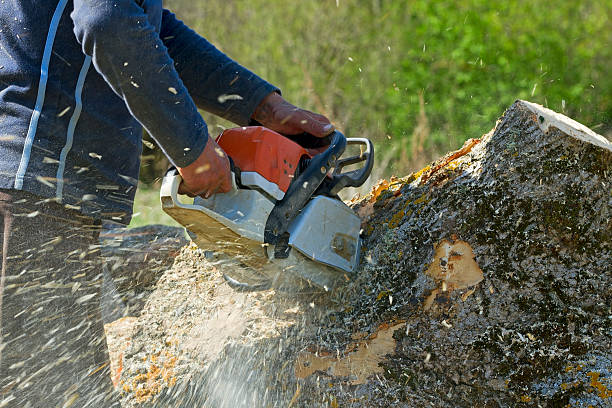
Living in Evergreen means enjoying the natural beauty of mature trees and forested landscapes. But when a tree comes down or shows signs of instability, homeowners face important decisions about what to do next. Leaving a stump in your yard might seem harmless, but it can create problems ranging from pest infestations to tripping hazards. Similarly, a tree with structural damage or disease poses serious risks to your property and family safety.
Understanding when to tackle tree stump removal and how to identify hazardous trees helps you maintain a safe, attractive property. This guide walks through the signs that demand action, the practical considerations for Colorado mountain properties, and what you need to know before starting either project. Whether you’re dealing with a fresh stump from a recent removal or a decades-old remnant, making informed choices protects your investment and keeps your outdoor spaces usable.
Why Tree Stumps Become Problems Over Time
After a tree comes down, the remaining stump begins a slow decay process. In Evergreen’s climate, this decomposition attracts wood-boring insects, termites, and carpenter ants looking for soft wood to colonize. These pests rarely stay confined to the stump. They often migrate to nearby structures, including decks, sheds, and even your home’s foundation if conditions are right.
Stumps also send up new shoots as the root system tries to regenerate. These suckers grow quickly and compete with nearby plants for nutrients and water. Removing them repeatedly becomes a tiresome maintenance task. The roots themselves can interfere with underground utilities, irrigation systems, and future landscaping plans. Tree stump removal Evergreen, CO professionals often find roots extending 20 to 30 feet from the original trunk, creating hidden obstacles years after the visible stump is gone.
From a practical standpoint, stumps limit how you can use your yard. They prevent smooth mowing patterns, make installing fences or patios difficult, and create trip hazards for children and guests. In snow-covered months, hidden stumps become especially dangerous. The visual impact matters too. A prominent stump in your front yard detracts from curb appeal and can affect property values when it comes time to sell.
Recognizing When a Tree Becomes a Safety Hazard
Identifying a dangerous tree requires looking beyond obvious signs like a leaning trunk. Hazardous trees often show subtle indicators that only become clear when you know what to watch for. Dead or dying branches concentrated in the upper canopy signal declining health. If more than 25 percent of the tree shows dead wood, the entire structure may be compromised.
Structural Warning Signs
Cracks in the trunk, especially vertical splits or seams separating bark sections, indicate internal stress or decay. Cavities and hollow areas weaken the tree’s ability to withstand wind loads common in mountain environments. Look for fungal growth at the base, which often means root decay you cannot see. Mushrooms sprouting from the trunk or major limbs point to advanced decomposition inside the tree.
Root problems create instability even when the visible tree looks healthy. Heaving soil, exposed roots, or recent construction damage all compromise anchoring strength. Trees growing too close to structures face additional stress from restricted root zones and reflected heat. After severe storms, inspect for damaged bark, torn branches, or sudden leaning that was not present before.
Species-Specific Concerns in Evergreen
Certain tree species common to the area present unique hazards. Cottonwoods have weak wood prone to sudden limb failure, even without visible decay. Aspens often develop root rot in poorly drained soils. Pines stressed by beetle infestations lose structural integrity rapidly once the cambium layer is damaged. Native evergreens accumulate heavy snow loads that can cause catastrophic failure in trees already weakened by age or disease.
Timing Your Tree Stump Removal Project
The best time for tree stump removal Evergreen, CO depends on your landscape plans and local conditions. Spring and fall offer moderate temperatures and soil moisture levels that make grinding easier. Frozen ground in winter complicates equipment operation and limits access, though some homeowners prefer winter work to minimize lawn damage when grass is dormant.
Remove stumps before starting major landscaping renovations. If you plan to install a patio, plant a garden, or add irrigation lines, clearing stumps first prevents future complications. Properties going on the market benefit from stump removal several months ahead of listing, allowing grass to fill in and creating a polished appearance.
Consider the stump’s location relative to utility lines. Call 811 before any digging to mark underground services. Stumps near septic systems, water lines, or gas pipes require careful planning to avoid expensive damage during removal. Professional tree service Evergreen, CO teams map these obstacles before beginning work.
Hazardous Tree Removal: What the Process Involves
Removing a dangerous tree differs significantly from standard tree work. Hazardous tree removal Evergreen, CO requires specialized rigging, climbing techniques, and safety protocols. Trees leaning toward buildings need careful sectioning to prevent property damage. Each cut must be calculated to control how sections fall or swing.
Crane-assisted removal becomes necessary for trees too unstable to climb safely or located where falling debris would damage structures. This method lifts sections directly up and over obstacles, placing them in safe drop zones. The added equipment cost is justified when protecting roofs, vehicles, or neighboring properties.
Emergency Situations
Storm-damaged trees hanging over homes or blocking roads require immediate response. Lightning strikes, tornado damage, or heavy wet snow can leave trees partially uprooted or split, creating unstable situations that worsen with time. Emergency tree service Evergreen, CO crews work quickly to secure the area and prevent further damage while removing the hazard safely.
Permitting and Regulations
Some Evergreen properties fall under Jefferson County regulations or homeowner association rules governing tree removal. Large trees or those in protected areas may require permits before cutting. Hazardous tree designations can expedite approval processes when documented properly. Check local requirements before scheduling work to avoid delays or penalties.
Stump Grinding versus Complete Removal
Two primary methods handle unwanted stumps, each with distinct advantages. Stump grinding uses a rotating cutting wheel to shred the stump six to twelve inches below ground level. This approach is faster, less invasive, and leaves most roots to decay naturally underground. The resulting wood chips can be used as mulch or hauled away.
Complete stump and root removal involves excavating the entire root ball with heavy machinery. This method is necessary when building foundations, installing pools, or eliminating all traces for agricultural use. The process leaves a large hole requiring significant fill dirt and creates more landscape disruption. Most residential tree stump removal Evergreen, CO projects opt for grinding as the practical choice balancing cost and results.
Chemical stump removers offer a third option for patient homeowners willing to wait months for decomposition. These products accelerate rot but still require eventual grinding or manual removal of softened wood. They work best on small stumps without time pressure for the space.
Cost Factors and Planning Considerations
Several variables influence pricing for both stump removal and hazardous tree work. Stump diameter is the primary cost driver. A 12-inch stump costs significantly less than a 36-inch oak remnant requiring extended grinding time. Accessibility affects pricing when equipment must be carried long distances or maneuvered around tight spaces.
For hazardous tree removal Evergreen, CO, tree height, lean direction, and proximity to structures all increase complexity and cost. A 60-foot pine leaning over a garage requires more rigging and time than a smaller tree in open space. Multiple stumps or trees handled in one visit typically reduce per-unit costs through economies of scale.
Get written estimates detailing scope of work, cleanup provisions, and disposal methods. Understand whether pricing includes hauling debris or if you will need to handle wood and chips yourself. Clarify insurance coverage and worker qualifications before committing to any tree service Evergreen, CO provider.
Final Thoughts on Protecting Your Evergreen Property
Taking action on problem stumps and dangerous trees protects both your property investment and family safety. While some yard projects can wait, hazardous conditions demand prompt attention before weather events or continued decay create emergency situations. Regular tree inspections help you stay ahead of problems, identifying concerns while they are still manageable.
Working with experienced professionals ensures the job gets done safely and completely. Local companies like Rocky Mountain Services LLC understand the specific challenges mountain properties present, from rocky soil conditions to altitude considerations affecting equipment operation. Whether you are addressing a single stump or removing a tree threatening your home, choosing qualified help makes all the difference in outcomes and peace of mind.
Frequently Asked Questions
How long does it take for a tree stump to rot naturally without removal?
In Evergreen’s climate, natural stump decomposition takes three to seven years depending on tree species, stump size, and moisture conditions. Hardwoods like oak decay more slowly than softwoods like pine. During this time, the stump attracts pests and remains a landscape obstacle, which is why most homeowners choose active removal rather than waiting for nature to take its course.
Can I remove a hazardous tree myself to save money?
DIY hazardous tree removal is extremely dangerous and not recommended. Unstable trees behave unpredictably when cut, requiring specialized training and equipment to control safely. Homeowner accidents result in serious injuries, property damage, and even fatalities every year. The cost of professional removal is minimal compared to medical bills or structural repairs from mistakes.
What happens to the wood chips after stump grinding?
Stump grinding produces a large volume of wood chips that can be repurposed as mulch for garden beds, pathways, or erosion control on slopes. Many homeowners spread chips around remaining trees or use them in composting. If you do not want the material, most tree services will haul it away for an additional fee or use it elsewhere.
How do I know if a leaning tree is actually dangerous or just growing naturally?
Trees growing on slopes often develop natural lean toward sunlight without being hazardous. Dangerous leans develop suddenly, show cracked soil at the base indicating root failure, or increase noticeably after storms. Measure the lean angle from vertical and monitor it over several months. Any tree leaning more than 15 degrees toward a structure or showing progressive movement needs professional evaluation.
Should I remove a stump if I plan to plant a new tree in the same spot?
Yes, complete stump removal is essential before planting a replacement tree in the same location. The old root system depletes soil nutrients, harbors diseases that can infect new plantings, and physically blocks proper root development. Remove the stump, grind out major roots, and amend the soil before installing a new tree to give it the best chance for healthy establishment.










Leave a comment