


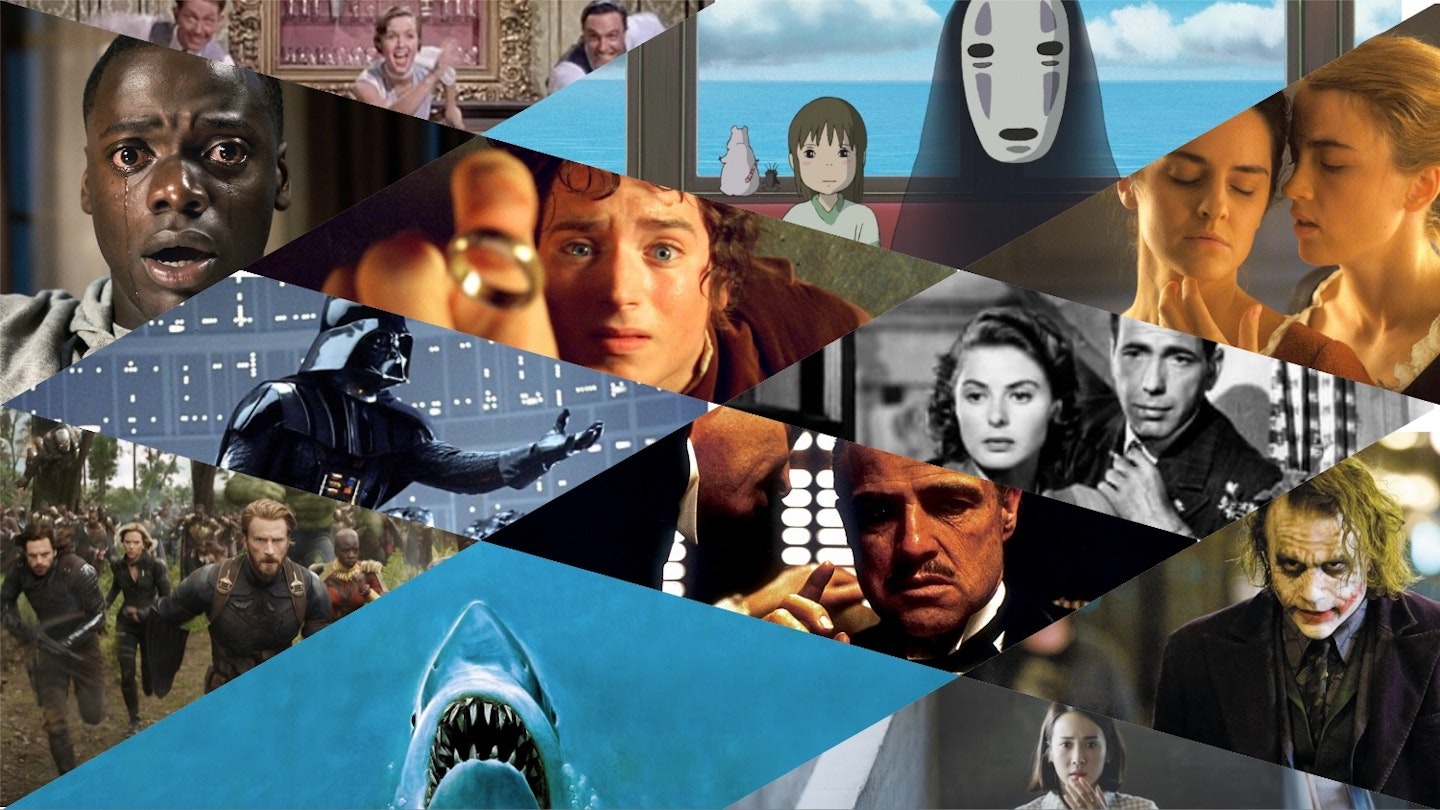
Because fans move quickly and talk loudly, small moments now lead to big openings. Meanwhile, timelines buzz like theater lobbies before the lights dim. As a result, ticket plans shift with each meme and clip. In fact, a joke on Tuesday can change the box office by Friday. Therefore, studios track our chatter the way we track post-credit scenes. Here’s the twist: fan influence on movies now shapes what gets made, what gets saved, and what gets a second life.
From Threads to Trends
Once, fandom lived in tiny forums and late-night comment chains. However, those small rooms grew into giant, bright signals that studios can’t ignore. Therefore, one sharp edit can push a movie into everyone’s feed before lunch. Because phones have become billboards, a 15-second cut with a catchy hook can quickly go viral on TikTok and Reels. Then, Letterboxd lists, Reddit threads, and Discord pings act like maps for what to watch tonight. After all, clear maps beat choice overload when the weekend is short.
Still, none of this is magic. Instead, it is rhythm. Fans time posts for global waves, so a clip wakes one coast and greets the next. They swap art to keep the feed fresh. They coach on pre-sales, seat maps, and bargain slots. Consequently, the loop deepens: edits spark chatter, chatter boosts sales, and sales invite more edits. In fact, fan influence on movies becomes a steady feedback system that shapes how many shows a theater adds and how long a film stays.
At the same time, the old gatekeepers look different. Because trailers are released online first, audiences react before a poster hits a bus stop. Studios adjust mid-week instead of waiting months. Meanwhile, niche communities punch above their weight. Therefore, a small but focused group can give a mid-budget film a real shot at a strong second weekend. After all, openings are loud, but legs pay the rent.
Quick Signals Fans Watch
- Pre-sale spikes: Because seats sell quickly, theaters often add late shows to accommodate demand. Therefore, early buyers quietly make bigger openings.
- Repeat trailer views: When replays climb, curiosity is real. As a result, friends finally join a showing.:
- Soundtrack bumps: If a track trends, the vibe travels. Meanwhile, mood sells minutes.
- Seat-map clusters: Hot rows mark word-of-mouth pockets. Therefore, choose times near the buzz.
- Comment-tone shifts: However, love can flip to confusion. So, teams fix captions, stakes, or thumbnails.
- Fan art bursts: Because creativity signals care, share counts predict talking points. Therefore, expect quotes to spread.
- Cosplay sightings: When costumes appear early, intent is high. As a result, repeat viewings rise.
Buzz → Action
| Signal | What it hints | Your smartest move |
| Fast pre-sales | Demand outpacing screens | Buy early; invite a friend |
| Trailer replays | Clear promise, rising intent | Share the crispest cut only |
| Meme wave | Reach without guarantees | Add context, not spoilers |
| Late-night add-shows | Surging local demand | Grab off-peak discounts |
| Steady week-two legs | Real word of mouth | Post a short, kind review |
| Fan-art surges | Emotional connection | Credit artists when you share |
| Playlist spikes | Scene or mood obsession | Link the scene, not the twist |
Three Small Stories, Big Lessons
Because joy scales, a cheerful fan push once lifted a tiny sci-fi film that almost slipped through the cracks. As a result, one theater added a late show, followed by another, and then the studio extended the run. Therefore, more people tried a matinee, brought friends, and stayed for the credits. Meanwhile, the cast dropped a quick AMA, and the loop kept spinning with warmth instead of noise. In fact, fan influence on movies turned a near-miss into a word-of-mouth win, not by shouting, but by sharing with care.
However, a loud meme once misled a broad comedy. The clips killed in ten seconds. Instead, the whole story felt thin to people who came for the quick hit and left wanting more. Therefore, conversions lagged, and weekend two fell hard even though the internet felt loud. After all, a looped laugh is not always a ticket in hand. Consequently, teams learned to test whether meme reach is of genuine interest or just a passing sound.
Although ratings matter, brigades happen. Even so, patterns tell the truth if we read them calmly. Look for steady growth across days, not one furious hour where hundreds of accounts post the same line. Therefore, context beats panic. Meanwhile, diverse reviews, long and short, pro and con, help us see what the numbers hide. As a result, nuance wins when we let it, and a good film gets room to breathe beyond the noise of a busy morning.
How Studios Actually Listen
Today, teams do not simply “hope.” Instead, they listen in real-time and adjust without interrupting the story. For example, they track share of voice, intent to see, pre-sale speed by hour, and comment tone across platforms. They swap thumbnails that read better at a height of three inches. They polish captions with a more explicit promise. They test a more precise cut before dinner and push it before midnight. As a result, the evening wave lands firmly, and the next morning looks less risky.
Because attention is a moving target, studios also map what caused the spike. For instance, a hero shot may carry the day while a plot line confuses people. Therefore, the next piece focuses on that hero beating and trims the fog. Meanwhile, community screenings find pacing dips that charts cannot see. Then, a single reshoot fixes a quiet stretch, not the whole second act. After all, small patches can save the run without losing the film’s soul.
However, listening is not obeying. After all, a movie needs a spine that does not bend with every gust. Therefore, innovative teams filter notes through theme, tone, and character. If a change serves the core, they do it. If not, they hold the line and explain why. In fact, fan influence on movies works best as a compass, not a steering wheel that jerks from trend to trend. Meanwhile, clear updates calm the room: “We heard you; here’s what we kept; here’s why.”
Because speed matters, creators plan “listen windows.” Then, feedback is most effective when it can still help, not when it only hurts. Consequently, tempers cool, and trust grows. Therefore, the next launch starts on friendlier ground with better odds and fewer storms.
The Gray Areas and the Guardrails
This section frames how communities handle nuance—welcoming spirited debate while setting explicit norms that keep people safe.
What Sparks Pile-Ons
Pile-ons often begin when rumors outrun facts, so we need to slow down and separate hearsay from fundamental critique.
- Rumors outrun truth: Rumors spread faster than trailers, so a pile-on can start before facts arrive.
- Signal vs. noise: A rumor isn’t a review, and a leaked frame isn’t a film.
What Fundamental Critique Looks Like
Good criticism protects surprise, checks sources, and focuses on the work—not the person who made it.
- Pause and verify: Healthy communities pause, ask for sources, and seal spoilers for a fair window so newcomers still feel wonder.
- Aim at choices, not people: Sharp critique helps when it focuses on creative decisions, not individuals.
- Avoid targeting people: Targeted mockery can scare off new viewers and silence small voices that might have appreciated the film.
Why Boundaries Matter
Clear lines preserve a shared space where participation feels possible for everyone.
- Culture is shared space: Lines matter because culture is a shared space where everyone should feel welcome.
What Moderators Should Do
Active, fair moderation sets expectations and keeps conversations focused on ideas, not attacks.
- Set and enforce basics: Mods mute slurs, block dog-piles, and pin a simple code: argue with ideas, not each other.
- Outcome for the community: These steps make spaces feel open and safe for first-timers and longtime fans.
What Platforms Can Add
Thoughtful product tools slow flash mobs and reward discussion that’s careful and constructive.
- Practical guardrails: Rate limits, keyword mutes, and slow modes reduce the rush to punish.
- Better conversations: With those tools, discussions last longer and cut deeper—which is the point of talking about art.
Keep Influence in Balance
Fandom’s power can help or harm, so communities need steady norms that welcome creators and dissent without fear.
- Dual power of fandom: Fan influence can empower and silence at the same time, depending on how it’s used.
- Balance is the job: Because bad faith exists, communities need enforceable norms applied with a light, steady hand.
- Safer participation: Then creators can join without fear, and viewers can disagree without turning the lights off on each other.
A Smarter Playbook for Creators
Because noise is loud, creators need rhythm, not constant reaction. Set short feedback windows instead of endless suggestion boxes that invite drift. Host tight AMAs with clear topics and guardrails so people know where to aim. As a result, notes land on craft, stakes, scenes, and tone instead of gossip about leaks or contracts.
Spotlight healthy leaders, editors, artists, and essayists who model respect. The tone shifts from “prove it” to “share it,” which invites more new voices. Meanwhile, give credit that travels: link to the maker, tag the team, and celebrate the craft that fans can see and love. Consequently, the community feels like a partner, not a free labor pool.
However, protect the story’s core even when the comments are loud. After all, trends fade, but themes last, and characters need choices that feel true. So, pick a north star and aim straighter with good notes. Then, track your own dashboard: what scenes people quote, what lines people post, and what moments people reenact. In fact, fan influence on movies grows when makers show process, commentary tracks, craft breakdowns, and scene diaries that teach rather than tease. Therefore, the film lives twice: once on screen, then again in how it was made.
Finally, plan the afterlife with intention. Because streaming windows and bonus cuts keep films alive, map a soft second launch. Then, drop a behind-the-scenes featurette the week a soundtrack peaks. As a result, the conversation refreshes without feeling forced, and new viewers join with context instead of confusion.
Your Role as a Viewer
Because you are part of the equation, simple steps matter more than you think. Buy early when you can; therefore, more seats become available for your city, and the late show appears where it did not previously exist. Share with credit; consequently, artists get real value and stay eager to create. Review plainly and kindly: name a scene, a line, or a sound that stuck instead of grading with a shrug. Meanwhile, keep spoilers for marked threads so discovery survives the weekend for someone else.
However, skip pile-ons even when the dunk looks fun. Instead, keep the heat on ideas and choices that can be changed or defended. Then, people feel invited to try the film instead of warned to flee. After all, a gentle invitation beats pressure every time, because curiosity grows in calm surroundings. Therefore, a small film gets the chance it earned.
Because your feed is part of the theater now, you can set the tone that others copy. For instance, you can write, “If you like clever heists with jokes, this will scratch that itch,” which is clearer than “It’s mid” and kinder than “It saved cinema.” As a result, friends know what they are buying, which saves them time and gives the film a fair shot. Meanwhile, your steady voice helps the next movie, because your circle trusts you the next time you say, “Try this.”
Lights, Phone, Action: What This All Means
Because fans act like mini-studios, we will see tighter test cycles, braver small films, and more director chats that feel like living-room talks. Meanwhile, budgets will bend around real-time reads as teams learn to fix small things fast and leave the soul alone. However, art is not a poll, and a great film still needs a point of view. Therefore, the best work invites us without chasing us and trusts that we will meet it halfway.
Then, we meet it halfway with taste, patience, and tickets bought on purpose. After all, attention is a resource, and care is a skill. Because communities can be built or broken in a day, norms matter just as much as numbers. In fact, fan influence on movies will continue to shape what opens and what stays if we use it with generosity and focus. Therefore, the future looks less like a crowd shouting and more like a crowd singing on key.
So, picture the lobby after the credits. Meanwhile, the room is warm, and the scent of popcorn lingers in the air. Therefore, phones glow as friends trade lines and plan who to bring next. After all, the talk is now part of the show, and the show continues to travel long after the projector cools. In fact, the future of fan influence on movies isn’t a trick; it’s a practice that grows with care. Because we care, we post, we buy, we return, and we remember. Therefore, the story doesn’t end when the lights rise. Instead, it continues to thrive in group chats, in edits, and in small, steady choices that eventually become big box-office turns. Finally, we step into the night still quoting, still moved, and still part of what happens next.










Leave a comment