







Smoke rolled over the ridge, and the world glowed red. At that moment, families understood why builders prioritize fire-resistant materials. Fear filled every window, yet hope still flickered. Children clutched blankets. Parents watched weather apps. Neighbors called loved ones. Even so, embers fell like rain, and the sky stayed hot.
Last year was the same story again and again. Across the United States, 64,897 wildfires scorched 8.9 million acres in 2024, over triple the land burned in 2023. Homes once thought safe now sit in the “wildland-urban interface,” where trees meet driveways. Therefore, builders can no longer see fire as a rare threat. Instead, they must treat it as a design fact.
So, what does that mean for you? Safer walls and roofs protect the people you love. Thoughtful material choices cut insurance shocks, keeping budgets steady. Finally, fire-smart design raises resale value because buyers crave peace of mind. When sparks fly, confidence beats panic.
Moreover, this blog guides you through that confidence. Step by step, you will see how fresh codes, new science, and hard numbers shape stronger homes. Moreover, each section stays clear and honest—no sales pitch, just facts you can trust. By the end, you will know how to ask the right questions, pick the right materials, and rest a little easier when the night turns orange again.
When Blazes Become the Baseline – Why Builders Are Prioritizing Fire-resistant Materials?
Wildfire seasons no longer pause. In 2024 alone, 64,897 U.S. fires burned 8.9 million acres—numbers that exceeded five- and ten-year averages. Moreover, California’s tally soared 2,816 percent above the previous year, showing how quickly risks escalate.
Meanwhile, development presses deeper into forest edges. As of 2020, 44 million homes—32 percent of U.S. housing—sit in the wildland-urban interface. Therefore, a spark now threatens suburbs, not just remote cabins. Scientists warn that 88 percent of fire-prone zones will see stronger flames under modest warming.
So, What’s In It For You?
Initially, understanding today’s baseline helps you request safer blueprints. Second, clearer data lets you budget for protection before insurers raise rates again. Finally, when neighbors ask why builders are prioritizing fire-resistant materials? You can answer with facts, not fear.
The Insurance Squeeze—Costs You Can’t Ignore
Home insurance once felt routine; now, it shocks many budgets. Since 2019, rates have climbed 40 percent nationwide. Moreover, California’s FAIR Plan—a last-resort policy—averages $2,800, yet some high-risk ZIPs pay over $21,000 yearly—meanwhile, large insurers retreat. State Farm and Allstate have also paused new policies and dropped thousands of customers in fire-prone zones. Because of that, one in five extreme-risk households now lacks private coverage.
Therefore, lenders grow wary. Most banks refuse mortgages unless a builder proves the project meets strict fire-rating rules. Yet those rules cost less than surprise rate hikes later. So, installing mineral-wool, Class A roofing, and non-combustible siding can shrink premiums and keep financing alive.
Here’s The Customer Value:
Choose safer assemblies now, and you will shield savings later. Families secure coverage. Builders close deals on time. Communities avoid abandoned lots. That is exactly why builders are prioritizing fire-resistant materials. By planning for flames, everyone pays less for fear.
Codes Tighten Their Grip – Why Builders Are Prioritizing Fire-resistant Materials?
New rules pack more bite than ever. The 2024 International Building Code (IBC) rewrites Chapter 7 and makes three key moves:
- One-hour shield: Any exterior wall within 10 feet of a lot line must now carry a full 60-minute fire rating.
- No hidden gaps: Fire barriers must run unbroken from footing to roof, so flames cannot leap through attic spaces.
- Show-and-tell inspections: Jurisdictions require visible proof of approved fire-stopping before drywall goes up.
Yet that is only half the story. Wildland-Urban Interface (WUI) overlays add stricter local demands:
| Fast Fact | Latest Data | Why it matters |
| Counties with modern hazard-resistant codes | 35 % (65 % still lag) | Odds are high that your project sits in an under-protected zone. |
| Jurisdictions adopting the IWUIC or similar | ≈ 200 across 24 states | Patchwork rules mean every permit office sets its own fire bar. |
Quick-Check Permit Strategy
- Map your risk. Pull your county’s WUI overlay before sketches begin.
- Label every assembly. List the exact UL or ASTM test number on drawings.
- Book a pre-submittal chat. Meet the fire marshal early; according to several California counties’ permit dashboards, this can slash review cycles by up to 30 percent.
- Document inspections. Photograph each layer—sheathing, insulation, fire-stopping—so you have proof if questions arise later.
What you gain: Follow these steps to avoid surprise revisions, keep loans on schedule, and, most importantly, build walls that hold when embers fly. In short, tight codes may feel heavy, but they hand you a lighter risk load—that’s exactly why smart teams lean into them.
Material Heroes: What Really Resists Flame
Modern codes set the bar, yet good materials clear it with room to spare. Each option below is placed because it slows heat, blocks sparks, or self-seals when flames attack. Together, they show why builders are prioritizing fire-resistant materials.
| Material | Fire rating or trait | How it fights flame |
| Type X gypsum board | 1-hour wall rating when used in UL U305 assembly | Non-combustible core releases bound water, cooling surfaces |
| Fiber-cement siding | Class A, flame-spread index 0 (ASTM E84) | 90 % sand-cement; embers simply can’t ignite it |
| Mineral-wool insulation | Service temp ≈ 1,200 °F (649 °C) | Basalt fibers melt far above typical house-fire peaks |
| Dense CLT panels | Predictable char layer slows heat to the core | Char insulates inner wood, maintaining strength |
| Intumescent paint | Expands up to 25× thickness around 350 °F | Swells into a foamed char, blocking heat flow |
Quick-Pick Checklist
- Start with structure. Choose dense CLT or steel, then wrap with Type X gypsum for tested assemblies.
- Seal every cavity. Pack mineral-wool in stud bays; it stays firm even when flames roar.
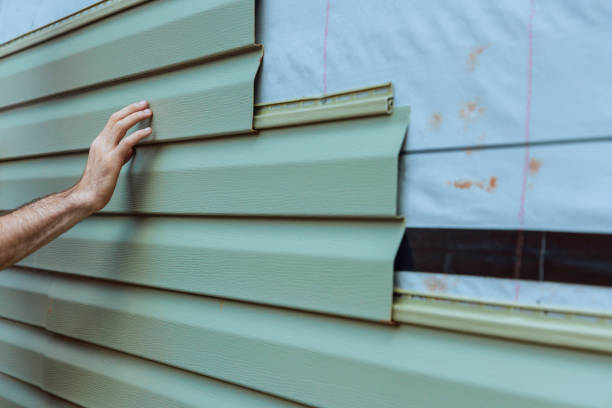
- Face the threat. Because siding sees the first sparks, install fiber-cement on walls and Class A shingles on roofs.
- Add a smart skin. Wherever exposed wood remains, brush on an intumescent coat for a hidden shield.
- Document proof. List each material’s ASTM or UL test number on drawings, so inspectors sign off fast.
The Big Win:
By picking these “hero” products, you win three ways:
- You meet code on the first try,
- You cut insurance pain later,
- And, you give families a house that stands when embers fly.
In short, strong materials turn rising fire risk into lasting peace of mind.
Invisible Shields: The Science Edge
Today’s coatings act long before open flame appears. New nanotech sealers sink deep into wood and bond at a molecular level. When heat rises above 150 °C, these particles swell, sealing pores and starving fire of fresh oxygen. Researchers at Texas A&M measured a 65 % drop in surface temperature after a two-minute burn test, proving the gain is real.
Second, graphene additives push that barrier further. Because graphene conducts heat away fast, it buys crews precious minutes to contain ember strikes. Field pilots in Flagstaff homes showed siding remained intact after eight hours in a simulated ember storm.
Sensors have grown smarter, too. AI-driven thermal nodes now sit behind walls and ping your phone when hidden framing warms past safe limits. Although each sensor costs about $35, builders say the early alerts prevent tens of thousands in repairs.
Keep These Tips Handy:
- Prime First. Clean wood, then apply a water-based nano-coat with a low-nap roller.
- Layer Smart. Add a thin intumescent paint over steel beams to block radiant heat.
- Test in Place. Use an infrared gun to confirm no hot spots after curing.
When you blend science and craft, you create walls that think and react. Readers gain calm because silent shields work while they sleep. That peace is the true payoff of modern fire science.
Dollars and Sense: ROI of a Safer Envelope
Sticker shock fades when you view the full ledger. A fiber-cement siding package might add $4,600 to a 2,000-square-foot build. Yet, in Sonoma County, homeowners saved $2,300 per year on insurance after upgrading, cutting payback to two years.
Premium gypsum costs thirty cents more per square foot than standard board. However, rebuilding fire-damaged drywall runs over $12 per foot when crews must gut and remediate smoke. Spending pennies today prevents bills that break budgets tomorrow.
Consider resale, too. Redfin analysts found “hardened” houses in high-risk ZIP codes fetched 7 % higher closing prices in 2024. Buyers now filter listings by fire features, so resistant materials move homes faster.
Quick Money-Saving Moves:
- Pick mineral-wool batts; they install like fiberglass but never melt.
- Choose Class A shingles; many insurers cut roof surcharges in half when they see that rating.
- Document every rated assembly in your closing binder; agents grant discounts faster with proof.
Smart investors chase value, not lowest bids. By spending with foresight, you lock in lower premiums, boost equity, and sidestep costly rebuilds. In short, a safer envelope pays you back—year after year.
Step-by-Step: Crafting Your Fire-Safe Build Plan
Wildfire risk feels huge, yet you can tame it with a clear playbook. Because each choice links to the next, start early and move in short, firm steps. The sequence below helps builders, designers, and owners lock in real protection before the first footing cures.
| Stage | What to Decide | Why It Matters |
| 1 | Pull the county WUI map | Confirms exact hazard zone before design funds fly |
| 2 | Set a one-hour wall goal | Meets 2024 IBC baseline everywhere; avoids redraws |
| 3 | Choose Class A roof + vents | Stops ember showers, the top ignition source |
| 4 | Specify mineral-wool batts | Holds shape at 1,200 °F; blocks flame spread |
| 5 | Log every UL/ASTM test # | Speeds permit review and later insurance discounts |
Now follow these hands-on moves:
- Draft with detail. Add the wall rating call-outs on Sheet A2.0, not in an appendix.
- Hold a “red-tag” walk. Before insulation, invite the marshal to review framing. This trim visit often trims final inspections by one day.
- Photo every layer. Snap sheathing, batts, and fire-caulk in place. Store shots in a shared cloud folder.
- Seal edges twice. Run bead one, press backer rod, then run bead two. Double sealing stops air leaks that feed flame.
- Label attic hatches. A simple metal plate reminds owners never to replace them with cheap plywood later.
Pro Tips for Smooth Permitting:
- Meet reviewers early; bring a printed step log.
- Keep a copy of the code excerpts in the job trailer.
- Use the same tested assembly numbers across all trades’ sheets. Consistency ends plan conflicts.
When teams follow this roadmap, homes turn into quiet strongholds. And, because every step answers why builders are prioritizing fire-resistant materials, owners see value at each milestone, not just at the ribbon-cutting.
The Human Dividend: Sleeping Without Fear
Numbers push action, yet emotions seal commitment. Families crave calm nights more than code stamps. Consequently, fire-smart construction delivers something no money can match: steady heartbeats when wind carries the smell of smoke.
| Concern at 2 a.m. | Standard Build | Fire-Resistant Build |
| “Will embers reach us?” | Siding can ignite in 60 sec | Fiber-cement shrugs off sparks |
| “What if we must flee?” | Insurance may lag | Lower premiums fund backup plans |
| “Will my home still stand?” | Rebuild cost unknown | One-hour walls buy firefighters time |
Personal stories prove the point. Carla in Paradise, CA rebuilt using mineral-wool, fiber-cement, and intumescent paint. Last season, a new fire roared within half a mile. Yet, she watched drones map the blaze while her smart sensors showed safe wall temps. “I finally slept,” she said, “because the house was working while I rested.”
You can share that calm. First of all, walk the property with a fire lens: Where could a spark land? Then, check if vents, decks, and under-eaves meet Class A or metal standards. Finally, store documents—plans, photos, warranties—in a cloud folder labeled “Fire Safe.” Quick proof speeds claims and trims stress.
For Ongoing Peace:
- Trim vegetation each spring; keep five feet of bare earth near walls.
- Clean gutters every month in fire season; dry leaves become fuse lines.
- Test attic sensors twice a year; swap batteries on your birthday.
Because these habits reinforce why builders are prioritizing fire-resistant materials, they remind owners that safety lives in both walls and routines. And every quiet night that follows becomes the ultimate return on a thoughtful build—proof that preparedness can silence fear.
Core Benefits:
- Wildfire seasons are longer and hotter, so builders must act early.
- New codes demand one-hour walls, unbroken fire barriers, and ember-proof roofs.
- Gypsum board, mineral wool, and fiber-cement give fast, tested protection.
- Nano sealers and intumescent paints create invisible shields that react to heat.
- Upfront upgrades cut insurance costs, raise resale value, and slow future repair bills.
- A five-step build plan—map risk, label assemblies, walk with inspectors, photo layers, and double-seal edges—keeps permits smooth.
- Simple gutter cleaning and sensor checks turn strong walls into lasting safety.
In the end, why builders are prioritizing fire-resistant materials? Because calm nights and lower bills are benefits every family can feel.
Build for Tomorrow, Rest Tonight
Wildfire alerts no longer feel distant; they blink on neighborhood phones each dry afternoon. However, smarter design turns that constant warning into a manageable risk. Because we know embers travel miles, builders choose fiber-cement, gypsum, and mineral-wool before beauty. Moreover, new nano coatings seal the final cracks, buying firefighters priceless minutes. Meanwhile, insurance tables reward these choices, trimming premiums and keeping loans on track.
Families notice the savings, yet they treasure peaceful sleep even more. So, every added layer means a quieter mind when the wind smells of smoke. Therefore, a home built for flame resistance protects both bank accounts and bedtime stories. Consequently, resale figures climb because buyers now search listings for hard numbers on safety.
Finally, adopting these materials sends a stronger message than fear ever could: we learn, adapt, and thrive. Next, the five-step plan—map risk, label assemblies, photo layers, double-seal, and document—turns ideas into permits. Equally important, builders record every UL test number, so future owners can upgrade without guessing. Ultimately, why builders prioritize fire-resistant materials? comes down to caring for people, not just property. Spring gutter checks and annual sensor tests keep those defenses sharp for decades. Together, these steps make safety feel simple.







Leave a comment