





Why Asking the Right Questions Matters
Buying your first embroidery machine feels overwhelming. There’s so much to consider — hoop sizes, thread counts, software compatibility, and price tags that range from a few hundred bucks to several thousand dollars. And here’s the thing: most first-time buyers focus on the wrong stuff.
They get caught up in fancy features they’ll never use while completely ignoring basics that actually matter for their projects. I’ve seen it happen time and again. Someone drops serious cash on a top-of-the-line machine, then realizes it doesn’t work with the designs they wanted to create.
So before you hand over your credit card, let’s walk through the questions that’ll save you headaches, money, and a whole lot of frustration. Whether you’re starting a home business or just want to personalize gifts for friends and family, these questions apply to everyone. If you’re actively shopping, checking out an Embroidery Machine Sale In Corona CA can help you find quality equipment at better prices while getting hands-on guidance from knowledgeable staff.
Question 1: What Projects Will You Actually Create?
This sounds basic, but it’s where most people go wrong. Think about what you’ll realistically embroider in the next year. Not what you might possibly create someday. What will you actually make?
Are you planning to monogram towels and baby items? Those need different capabilities than someone creating detailed jacket backs or large quilt blocks. Your project list directly determines the machine features you need.
Match Your Projects to Machine Specs
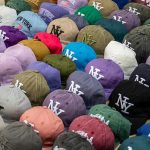
Small items like hats and pockets need machines with at least a 4×4 inch hoop. But if you’re dreaming about those gorgeous all-over shirt designs, you’ll want something with at least a 5×7 or larger embroidery field.
Write down five projects you’d start immediately. This list becomes your shopping guide.
Question 2: How Big Should Your Hoop Be?
Hoop size limits everything. A machine with only a 4×4 inch maximum hoop can’t stitch a 6-inch design — no matter how much you want it to. And re-hooping larger designs creates alignment headaches that frustrate beginners.
Here’s a quick breakdown:
- 4×4 inch: Good for small logos, names, pocket designs
- 5×7 inch: Handles most standard projects comfortably
- 6×10 inch: Great for larger designs without repositioning
- Larger formats: Needed for jackets, quilts, and commercial work
Bigger isn’t always better, though. Larger hoops cost more, and some projects actually work better in smaller hoops. But having options never hurts.
Question 3: What Software Does It Require?
Your machine needs embroidery design files to stitch anything. Some machines only read specific file formats, which limits where you can get designs.
Common formats include PES, DST, EXP, and JEF. Check what formats your potential machine reads, then make sure you can actually find designs in those formats. Some manufacturers lock you into buying only their designs — which gets expensive fast.
Built-in Designs vs External Sources
Most machines come with built-in designs and fonts. These are fine for starting out. But you’ll quickly want more variety. Make sure your machine accepts designs from external sources like USB drives or direct computer connections.
Question 4: How Steep Is the Learning Curve?
Some machines are pretty intuitive. Others require serious study time before you can create anything decent. Be honest about your technical comfort level.
Professionals like WZ Elite Embroidery recommend starting with user-friendly machines that grow with your skills, rather than jumping straight to commercial-grade equipment that overwhelms beginners.
Look for machines with:
- Clear LCD screens showing design previews
- On-screen tutorials or help menus
- Automatic threading features
- Good customer support and available training
Question 5: What’s Your Actual Budget?
Here’s where people fool themselves. Your machine cost is just the beginning. You’ll also need:
- Stabilizers (different types for different fabrics)
- Thread collection (quality thread matters more than you’d think)
- Bobbins and bobbin thread
- Extra needles in various sizes
- Hoops if your machine supports multiple sizes
- Design software if you want to create or modify designs
Budget an extra 20-30% on top of your machine cost for supplies to get started. Trust me on this one.
Question 6: How Much Maintenance Is Involved?
Embroidery machines need regular cleaning and occasional servicing. Some require more babying than others. Before buying, understand:
How often does it need oiling? Where are the service centers? What’s the typical repair cost? Can you do basic troubleshooting yourself?
Machines with easier maintenance schedules save time and money long-term. Plus, they’re less intimidating for beginners who worry about breaking expensive equipment.
Question 7: Does Warranty Coverage Make Sense?
Standard warranties vary wildly between manufacturers. Some cover everything for five years. Others barely cover major defects for twelve months.
Ask specifically what’s covered and what’s excluded. Labor costs, shipping for repairs, and consumable parts like needles often aren’t included. Extended warranties sometimes make sense, but run the numbers first.
Question 8: What Speed Do You Need?
Stitch speed affects how fast projects finish. But faster isn’t automatically better. Higher speeds can cause thread breakage on detailed designs or delicate fabrics.
For home use and small business, machines stitching 400-800 stitches per minute work great. Commercial operations might need faster options. Match speed to your realistic production needs, not wishful thinking.
Question 9: Can This Machine Grow With You?
Your skills and needs will change. The machine that’s perfect today might feel limiting in two years. Consider:
Are additional hoops and accessories available? Can you upgrade software features? Does the manufacturer release updates? Is there an active user community for tips and tricks?
Buying from established brands with ongoing support beats saving a few dollars on discontinued models. Those Embroidery Machine Sale near Corona CA events often feature current models with full support networks.
Question 10: Where Will You Get Support?
Problems happen. Thread tangles, designs stitch incorrectly, machines make weird noises. When issues pop up — and they will — having accessible support makes everything easier.
Consider local dealers who offer hands-on help versus online-only retailers. Check if training classes exist in your area. Look for active Facebook groups or forums for your specific machine brand.
For additional information on getting started with embroidery projects, connecting with experienced crafters can shortcut your learning curve significantly.
Putting It All Together
Shopping for an Embroidery Machine Sale Corona becomes way less stressful when you’ve answered these questions honestly. You’ll walk into stores knowing exactly what you need instead of getting talked into features that don’t serve your actual projects.
Take your time with this decision. A good embroidery machine lasts years and creates hundreds of projects. The right choice now prevents buyer’s remorse later.
Frequently Asked Questions
How much should I spend on my first embroidery machine?
For hobby use, quality starter machines run $400-800. Small business operations typically need $1,000-3,000 machines. Don’t forget to budget extra for supplies and accessories.
Can I use any embroidery design with any machine?
No, machines read specific file formats. Check your machine’s compatible formats before purchasing designs. Many websites sell designs in multiple formats to accommodate different machines.
How long does it take to learn embroidery machine basics?
Most people create simple projects within their first week. Developing real proficiency takes three to six months of regular practice. Starting with simpler designs builds confidence.
Do embroidery machines need professional servicing?
Annual professional servicing keeps machines running smoothly and catches problems early. Between services, regular cleaning and proper maintenance extend machine life significantly.
What’s the difference between home and commercial embroidery machines?
Commercial machines offer larger hoops, faster speeds, multiple needles for automatic color changes, and heavier construction for continuous use. Home machines prioritize ease of use and smaller footprints.




Leave a comment