






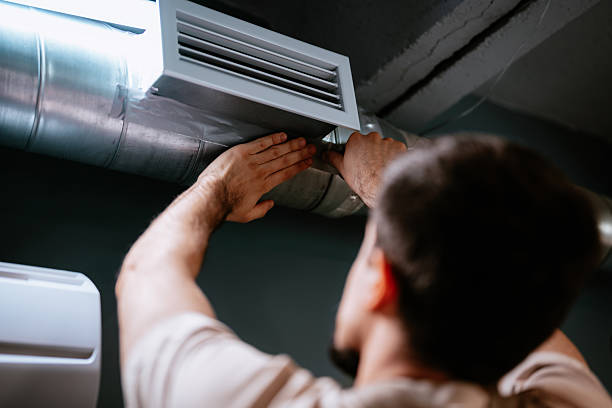
Walk into a new office, and you can feel it right away. The air smells clean. Rooms stay even. You do not hear loud blasts. That is not luck. It is a smart HVAC design. In modern buildings, comfort and clean air work together. When the temperature stays steady, people sleep better and work better. However, air that looks fine can still carry dust, smoke, and germs. That is why indoor air quality HVAC systems matter. They move air, clean it, and bring in fresh air at the right time. As a result, you can breathe easier and also spend less on energy.
How Indoor Air Quality HVAC Systems Shape Healthier Spaces
A good system does more than heat or cool. It sets how air moves in every room. Because air follows pressure, even a small fan change can stop stale corners. Think of a classroom after lunch. If the air does not move well, kids get sleepy fast. In a home, you may notice it as a musty closet. Teams also track heating and cooling systems efficiency to keep comfort steady. Therefore, they tune airflow, temperatures, and run times together. In fact, steady comfort can cut the urge to crank it up or down. That simple habit saves energy and reduces wear on parts.
Clean Air Starts with Good Filters
Modern buildings trap air better than older ones. That helps comfort. However, it can hold on to dust and odors. Indoor air quality HVAC systems fix that by cycling air through cleaner paths and by keeping filters sealed.
Good filters catch tiny bits you cannot see. Air filtration HVAC systems work best when the right filter fits the job. Therefore, many building teams use a simple checklist:
- Replace filters on schedule
- Keep return vents clear of boxes and rugs
- Seal gaps around filter racks
As a result, you get fewer sneezes and less buildup on coils over time.
Fresh Air Matters More Than You Think
Fresh outdoor air is like opening a window, but on purpose. However, you need control so you do not waste power. Many newer buildings use energy efficient HVAC systems that bring in outdoor air only when sensors show a need. This can help during meetings when a room fills up fast.
Next comes ventilation system improvement. Therefore, pros look at how much air enters, where it mixes, and how it exits. In fact, a balanced setup helps remove moisture from bathrooms and breakrooms. As a result, you can cut mold risk and keep that stuffy feeling away for good today.
Balance Comfort and Cost with Better Controls
Older systems run on fixed timers. However, modern buildings change all day. A lobby fills at 9 a.m. A gym peaks at 6 p.m. Therefore, controls must adjust without a manager chasing thermostats. You may have seen this in a store that feels cold near the door but warm in the back.
That is where smart HVAC systems help. They use sensors, schedules, and simple rules to match the load. In fact, they can lower airflow in empty zones and boost it where people gather. As a result, rooms feel even, and the system runs fewer hard starts, which can extend equipment life.
| Feature | Basic setup | Modern setup | What you gain |
| Control style | Fixed timers | Sensors and schedules | Fewer swings |
| Airflow | One speed | Variable speeds | Quieter rooms |
| Reporting | Manual notes | Simple dashboards | Faster fixes |
Maintenance That Keeps Performance Steady
Small issues waste energy fast, even when the system still works. A dirty coil makes the fan work harder. A loose belt slips and heats up. However, routine checks with energy efficient HVAC systems keep these losses small. You also avoid breakdowns on the hottest day.
Therefore, a good visit focuses on a few high-impact tasks:
- Clean coils and drain pans
- Tighten electrical connections
- Test safety switches
- Calibrate thermostats
In fact, steady care supports climate control systems that hold set points without big swings. As a result, tenants complain less, and owners see fewer surprise bills each season.
Design Choices for Homes and Workplaces
A building’s layout changes what works best. A home needs quiet runs at night. A school needs a fast recovery between classes. However, proper HVAC maintenance and indoor air quality HVAC systems can be sized and zoned so each space gets what it needs without overworking the unit. That design step can also cut drafty hallways.
For houses, residential HVAC solutions often add zoning and better returns in key rooms. Therefore, you can cool bedrooms at night while keeping unused spaces calmer. In fact, this keeps comfort high with fewer long run times. As a result, families notice fewer hot spots and less dry air in winter.
Steps That Make a Noticeable Difference
Big buildings face bigger surprises. One stuck damper can affect a whole wing. However, clear plans make problems smaller. Many managers keep a simple log of comfort calls, run times, and odd noises. Therefore, they spot patterns early and plan service before complaints pile up.
Helpful teams often offer commercial HVAC services that cover repairs and planned tune-ups. In fact, they can schedule work after hours and keep tenants informed. As a result, you avoid repeat visits and keep the building running smoothly.
A short “who to call” list also helps:
- Main contact
- After-hours number
- Equipment location notes
Ready for Next Steps?
If you want comfort and clean air, start with a quick system check. HVAC services in Centennial CO can spot loose ducts, worn parts, and weak airflow before they become costly. However, the best fixes are usually simple: better filters, balanced airflow, and steady schedules. You will often feel results the same week.
Therefore, set a time to review your system goals and your recent bills. If you need a trusted local team, reach out to Impact Energy for an estimate and a clear plan. They can help you choose the next step and get your building feeling right again, without stress.
FAQ
How do HVAC systems improve indoor air quality?
By moving air through filters, controlling humidity, and bringing in fresh outside air, the system lowers dust and odors. As a result, rooms feel cleaner and easier to breathe in.
Can HVAC systems reduce energy consumption?
Yes. Better controls, tight ductwork, and regular tune-ups cut wasted run time. Therefore, the system uses less power while keeping the same comfort level in most spaces.
What role does ventilation play in HVAC performance?
Ventilation brings in outdoor air and pushes stale air out. Because people add heat and moisture, fresh air keeps rooms balanced and helps other parts work smoothly.
Are modern HVAC systems environmentally friendly?
Many newer units use less electricity and safer refrigerants than older models. In fact, when they run at lower speeds, they make less noise and reduce emissions from power use.
What upgrades improve HVAC efficiency?
Start with sealing ducts, updating thermostats, and cleaning coils. Then add variable-speed fans if needed. As a result, the system hits set points faster with fewer spikes.Top of FormBottom of Form










Leave a comment