






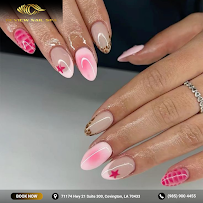
When you’re ready to invest in nail enhancements, the sheer number of options can feel overwhelming. Walk into any nail salon in Covington, LA, and you’ll likely hear about acrylics, gels, dip powder, and the newer kid on the block: polygel. Two of the most popular choices for long-lasting, durable nails are traditional acrylics and the increasingly popular polygel system. Both offer strength and versatility, but they differ significantly in application, maintenance, and overall experience.
Understanding what sets these two enhancement methods apart helps you make an informed decision based on your lifestyle, nail health, and aesthetic goals. Whether you’re looking for dramatic length, natural-looking overlays, or something that can withstand your active routine, knowing the real differences between these systems matters more than following trends.
What Makes Acrylic Nails a Classic Choice
Acrylic nails have been the gold standard in nail enhancements for decades, and for good reason. This system combines a liquid monomer with a powder polymer to create a malleable bead that hardens when exposed to air. The chemical reaction creates an incredibly strong bond that can support significant length and intricate designs. Technicians at an acrylic nail salon in Covington, LA, apply this mixture directly to your natural nail or over a form to build extensions.
The strength of acrylic makes it ideal for people who are hard on their hands. If you work with your hands frequently, need dramatic length, or have naturally weak nails that break easily, acrylics provide a protective barrier that holds up remarkably well. The material is also highly customizable during application, allowing skilled technicians to sculpt precise shapes and correct various nail irregularities.
The Application Process for Acrylics
Getting acrylics typically involves filing the natural nail surface to create texture for better adhesion, applying a primer, and then building layers of the acrylic mixture. Each bead is placed and shaped quickly before it hardens, requiring technicians to work with confidence and precision. The smell during application is distinctive due to the liquid monomer, which some people find strong. After the acrylic has cured completely, the nails are filed into the desired shape and buffed smooth before polish or design application.
Maintenance Considerations
Acrylic nails require fills every two to three weeks as your natural nail grows out, creating a visible gap at the cuticle. The fill process involves adding new acrylic to the growth area and reshaping. If you skip fills for too long, moisture can get trapped under the enhancement, potentially leading to nail problems. Removal requires soaking in acetone for 15-20 minutes, followed by gentle scraping and filing. The process can be drying to your natural nails, so cuticle oil and moisturizer become essential parts of your routine.
Understanding Polygel as a Modern Alternative
Polygel nails represent a hybrid technology that combines the durability of acrylics with the flexibility and lighter feel of gel systems. This enhancement type comes as a thick gel in a tube and doesn’t require mixing liquid and powder. When you visit a salon offering polygel nails in Covington, LA, you’ll notice the application process feels quite different from traditional acrylics. The material remains workable until cured under an LED or UV lamp, giving technicians more time to perfect the shape without rushing.
The formula contains both acrylic and gel components, creating a product that’s strong yet more flexible than pure acrylic. This flexibility makes polygel less likely to crack under pressure, and many people find the final result feels more natural on their hands. The material is also significantly lighter in weight, which matters if you’re wearing longer extensions or have sensitive nail beds.
How Polygel Application Works
Technicians apply polygel using a slip solution, which prevents the material from sticking to their brush while shaping. The product is placed on the nail or form, shaped with a dampened brush, and then cured under a lamp. Because it doesn’t air-dry like acrylic, there’s no time pressure during shaping, allowing for extremely precise sculpting. The process produces virtually no odor, making it preferable for people sensitive to chemical smells. After curing, minimal filing is typically needed since the technician can achieve the desired shape before hardening.
Longevity and Upkeep
Polygel generally requires fills at similar intervals to acrylic, around two to three weeks depending on your nail growth rate. Some people find polygel lasts slightly longer without lifting because of its flexibility, which moves more naturally with your nail. Removal also involves acetone soaking, though some technicians report it can take slightly longer to break down than traditional acrylic. The lighter weight can feel more comfortable during daily activities, and the flexibility means less stress on your natural nail plate over time.
Comparing Strength, Flexibility, and Durability
When choosing between these systems, understanding how they perform in real-world conditions matters more than technical specifications. Acrylic creates an extremely hard surface that resists impacts and can support impressive length without breaking. This rigidity is both a strength and potential weakness. While acrylics rarely crack under normal use, when they do break, it’s often a clean snap that can damage the natural nail underneath.
Polygel offers a different type of durability. The slight flexibility means it absorbs minor impacts rather than transferring all the force to your natural nail. This can actually protect your nail bed better during activities like typing, opening car doors, or other daily tasks. However, polygel may not be the best choice if you need extreme length for special occasions or photoshoots, as acrylic still holds the edge for dramatic extensions.
Cost and Time Investment Differences
Price points vary between salons, but generally, polygel services run slightly higher than traditional acrylics. The product itself costs more, and because it’s a newer technique, not all technicians are equally experienced with it. A full set of acrylics at a nail salon in Covington, LA, typically ranges from moderate to mid-high pricing depending on the salon and any design work included. Polygel sets may add 10-20% to that cost.
Application time is relatively similar for both methods once the technician is experienced. A full set of either enhancement typically takes 60-90 minutes, while fills require 45-60 minutes. The main time difference comes during removal, where acrylics sometimes soak off slightly faster. However, both require patience and professional removal to avoid damaging your natural nails.
Which Enhancement Method Fits Your Lifestyle
Your daily routine should heavily influence your choice. If you work in healthcare, food service, or other fields where you frequently wash your hands or use harsh chemicals, both systems hold up well, but polygel’s flexibility may prevent more breaks. For people who type extensively or play instruments, the lighter weight of polygel can reduce hand fatigue during long sessions.
Consider your nail health history as well. If you have naturally thin or flexible nails, the rigid structure of acrylics provides maximum protection but can also create more stress on the nail plate. Polygel works more in harmony with your natural nail’s slight flex, potentially causing less damage over extended wear. People with allergies or sensitivities to strong chemical odors typically prefer polygel since the application process produces minimal smell.
Design Versatility
Both systems accept regular nail polish, gel polish, and intricate nail art beautifully. Acrylic’s harder surface provides an extremely smooth canvas for detailed designs and holds up well under decorative elements like rhinestones or 3D art. Polygel also accepts all these applications, and because technicians can shape it so precisely before curing, it often requires less buffing and filing, which means a smoother starting surface. Either choice gives you complete creative freedom for colors, patterns, and embellishments.
Final Thoughts on Selecting Your Enhancement
The decision between acrylics and polygel isn’t about one being universally better than the other. Both are professional-grade enhancement systems that deliver beautiful, long-lasting results when applied correctly. Your choice should reflect your specific needs: the activities you do daily, how your natural nails respond to enhancements, your sensitivity to application odors, and your budget. Many people find that trying both systems over time helps them understand which feels better on their hands.
Finding a skilled technician who stays current with both techniques matters as much as the product itself. When searching for quality nail services, look for salons where technicians take time to assess your natural nails, discuss your lifestyle, and recommend the system that truly fits your needs rather than simply pushing the most expensive option. Local establishments like Deview Nail Spa offer experienced technicians who can walk you through both options and help you make an informed choice based on your individual nail goals.
Frequently Asked Questions
How long do acrylic and polygel nails typically last before needing maintenance?
Both acrylic and polygel nails generally need fills every two to three weeks as your natural nail grows. The exact timing depends on how quickly your nails grow and how well you care for the enhancements. Some people can stretch to four weeks, but waiting too long increases the risk of lifting or moisture getting trapped under the enhancement.
Can polygel nails break more easily than acrylics?
Polygel has slight flexibility, which actually helps prevent breaks in many situations by absorbing minor impacts. Acrylic is harder and more rigid, making it extremely strong but more prone to snapping under certain types of stress. For most daily activities, both systems prove highly durable, and breaks typically result from improper application or extreme circumstances rather than inherent weakness in either product.
Is one system better for people with damaged or weak natural nails?
Both can work well for weak nails, but they offer different benefits. Acrylic provides a very rigid protective layer that prevents bending and breaking of the natural nail underneath. Polygel offers protection while moving slightly with the natural nail, which some professionals believe creates less stress on compromised nails. The best approach is consulting with a technician who can examine your specific nail condition and recommend accordingly.
Why does polygel cost more than traditional acrylic at most salons?
Polygel is a newer technology, and the product itself has a higher wholesale cost than traditional acrylic supplies. Additionally, not all nail technicAcrylic vs. Polygel Nails: Choosing the Right Enhancement at Covington Salons
When you’re ready to invest in nail enhancements, the sheer number of options can feel overwhelming. Walk into any nail salon in Covington, LA, and you’ll likely hear about acrylics, gels, dip powder, and the newer kid on the block: polygel. Two of the most popular choices for long-lasting, durable nails are traditional acrylics and the increasingly popular polygel system. Both offer strength and versatility, but they differ significantly in application, maintenance, and overall experience.
Understanding what sets these two enhancement methods apart helps you make an informed decision based on your lifestyle, nail health, and aesthetic goals. Whether you’re looking for dramatic length, natural-looking overlays, or something that can withstand your active routine, knowing the real differences between these systems matters more than following trends.
What Makes Acrylic Nails a Classic Choice
Acrylic nails have been the gold standard in nail enhancements for decades, and for good reason. This system combines a liquid monomer with a powder polymer to create a malleable bead that hardens when exposed to air. The chemical reaction creates an incredibly strong bond that can support significant length and intricate designs. Technicians at an acrylic nail salon in Covington, LA, apply this mixture directly to your natural nail or over a form to build extensions.
The strength of acrylic makes it ideal for people who are hard on their hands. If you work with your hands frequently, need dramatic length, or have naturally weak nails that break easily, acrylics provide a protective barrier that holds up remarkably well. The material is also highly customizable during application, allowing skilled technicians to sculpt precise shapes and correct various nail irregularities.
The Application Process for Acrylics
Getting acrylics typically involves filing the natural nail surface to create texture for better adhesion, applying a primer, and then building layers of the acrylic mixture. Each bead is placed and shaped quickly before it hardens, requiring technicians to work with confidence and precision. The smell during application is distinctive due to the liquid monomer, which some people find strong. After the acrylic has cured completely, the nails are filed into the desired shape and buffed smooth before polish or design application.
Maintenance Considerations
Acrylic nails require fills every two to three weeks as your natural nail grows out, creating a visible gap at the cuticle. The fill process involves adding new acrylic to the growth area and reshaping. If you skip fills for too long, moisture can get trapped under the enhancement, potentially leading to nail problems. Removal requires soaking in acetone for 15-20 minutes, followed by gentle scraping and filing. The process can be drying to your natural nails, so cuticle oil and moisturizer become essential parts of your routine.
Understanding Polygel as a Modern Alternative
Polygel nails represent a hybrid technology that combines the durability of acrylics with the flexibility and lighter feel of gel systems. This enhancement type comes as a thick gel in a tube and doesn’t require mixing liquid and powder. When you visit a salon offering polygel nails in Covington, LA, you’ll notice the application process feels quite different from traditional acrylics. The material remains workable until cured under an LED or UV lamp, giving technicians more time to perfect the shape without rushing.
The formula contains both acrylic and gel components, creating a product that’s strong yet more flexible than pure acrylic. This flexibility makes polygel less likely to crack under pressure, and many people find the final result feels more natural on their hands. The material is also significantly lighter in weight, which matters if you’re wearing longer extensions or have sensitive nail beds.
How Polygel Application Works
Technicians apply polygel using a slip solution, which prevents the material from sticking to their brush while shaping. The product is placed on the nail or form, shaped with a dampened brush, and then cured under a lamp. Because it doesn’t air-dry like acrylic, there’s no time pressure during shaping, allowing for extremely precise sculpting. The process produces virtually no odor, making it preferable for people sensitive to chemical smells. After curing, minimal filing is typically needed since the technician can achieve the desired shape before hardening.
Longevity and Upkeep
Polygel generally requires fills at similar intervals to acrylic, around two to three weeks depending on your nail growth rate. Some people find polygel lasts slightly longer without lifting because of its flexibility, which moves more naturally with your nail. Removal also involves acetone soaking, though some technicians report it can take slightly longer to break down than traditional acrylic. The lighter weight can feel more comfortable during daily activities, and the flexibility means less stress on your natural nail plate over time.
Comparing Strength, Flexibility, and Durability
When choosing between these systems, understanding how they perform in real-world conditions matters more than technical specifications. Acrylic creates an extremely hard surface that resists impacts and can support impressive length without breaking. This rigidity is both a strength and potential weakness. While acrylics rarely crack under normal use, when they do break, it’s often a clean snap that can damage the natural nail underneath.
Polygel offers a different type of durability. The slight flexibility means it absorbs minor impacts rather than transferring all the force to your natural nail. This can actually protect your nail bed better during activities like typing, opening car doors, or other daily tasks. However, polygel may not be the best choice if you need extreme length for special occasions or photoshoots, as acrylic still holds the edge for dramatic extensions.
Cost and Time Investment Differences
Price points vary between salons, but generally, polygel services run slightly higher than traditional acrylics. The product itself costs more, and because it’s a newer technique, not all technicians are equally experienced with it. A full set of acrylics at a nail salon in Covington, LA, typically ranges from moderate to mid-high pricing depending on the salon and any design work included. Polygel sets may add 10-20% to that cost.
Application time is relatively similar for both methods once the technician is experienced. A full set of either enhancement typically takes 60-90 minutes, while fills require 45-60 minutes. The main time difference comes during removal, where acrylics sometimes soak off slightly faster. However, both require patience and professional removal to avoid damaging your natural nails.
Which Enhancement Method Fits Your Lifestyle
Your daily routine should heavily influence your choice. If you work in healthcare, food service, or other fields where you frequently wash your hands or use harsh chemicals, both systems hold up well, but polygel’s flexibility may prevent more breaks. For people who type extensively or play instruments, the lighter weight of polygel can reduce hand fatigue during long sessions.
Consider your nail health history as well. If you have naturally thin or flexible nails, the rigid structure of acrylics provides maximum protection but can also create more stress on the nail plate. Polygel works more in harmony with your natural nail’s slight flex, potentially causing less damage over extended wear. People with allergies or sensitivities to strong chemical odors typically prefer polygel since the application process produces minimal smell.
Design Versatility
Both systems accept regular nail polish, gel polish, and intricate nail art beautifully. Acrylic’s harder surface provides an extremely smooth canvas for detailed designs and holds up well under decorative elements like rhinestones or 3D art. Polygel also accepts all these applications, and because technicians can shape it so precisely before curing, it often requires less buffing and filing, which means a smoother starting surface. Either choice gives you complete creative freedom for colors, patterns, and embellishments.
Final Thoughts on Selecting Your Enhancement
The decision between acrylics and polygel isn’t about one being universally better than the other. Both are professional-grade enhancement systems that deliver beautiful, long-lasting results when applied correctly. Your choice should reflect your specific needs: the activities you do daily, how your natural nails respond to enhancements, your sensitivity to application odors, and your budget. Many people find that trying both systems over time helps them understand which feels better on their hands.
Finding a skilled technician who stays current with both techniques matters as much as the product itself. When searching for quality nail services, look for salons where technicians take time to assess your natural nails, discuss your lifestyle, and recommend the system that truly fits your needs rather than simply pushing the most expensive option. Local establishments like Deview Nail Spa offer experienced technicians who can walk you through both options and help you make an informed choice based on your individual nail goals.
Frequently Asked Questions
How long do acrylic and polygel nails typically last before needing maintenance?
Both acrylic and polygel nails generally need fills every two to three weeks as your natural nail grows. The exact timing depends on how quickly your nails grow and how well you care for the enhancements. Some people can stretch to four weeks, but waiting too long increases the risk of lifting or moisture getting trapped under the enhancement.
Can polygel nails break more easily than acrylics?
Polygel has slight flexibility, which actually helps prevent breaks in many situations by absorbing minor impacts. Acrylic is harder and more rigid, making it extremely strong but more prone to snapping under certain types of stress. For most daily activities, both systems prove highly durable, and breaks typically result from improper application or extreme circumstances rather than inherent weakness in either product.
Is one system better for people with damaged or weak natural nails?
Both can work well for weak nails, but they offer different benefits. Acrylic provides a very rigid protective layer that prevents bending and breaking of the natural nail underneath. Polygel offers protection while moving slightly with the natural nail, which some professionals believe creates less stress on compromised nails. The best approach is consulting with a technician who can examine your specific nail condition and recommend accordingly.
Why does polygel cost more than traditional acrylic at most salons?
Polygel is a newer technology, and the product itself has a higher wholesale cost than traditional acrylic supplies. Additionally, not all nail technicians have trained extensively in polygel application, so those with specialized skills may charge premium rates. The odorless application and potentially gentler nature of the product also add to the perceived value that supports higher pricing.
Can you switch between acrylic and polygel, or should you stick with one?
You can absolutely switch between systems. When changing from one to another, the technician will completely remove the existing enhancement and start fresh with your chosen new system. Some people alternate based on the season, upcoming events, or simply to give their nails a different type of protection. Switching doesn’t harm your natural nails as long as proper removal and application techniques are followed each time.ians have trained extensively in polygel application, so those with specialized skills may charge premium rates. The odorless application and potentially gentler nature of the product also add to the perceived value that supports higher pricing.
Can you switch between acrylic and polygel, or should you stick with one?
You can absolutely switch between systems. When changing from one to another, the technician will completely remove the existing enhancement and start fresh with your chosen new system. Some people alternate based on the season, upcoming events, or simply to give their nails a different type of protection. Switching doesn’t harm your natural nails as long as proper removal and application techniques are followed each time.











Leave a comment