






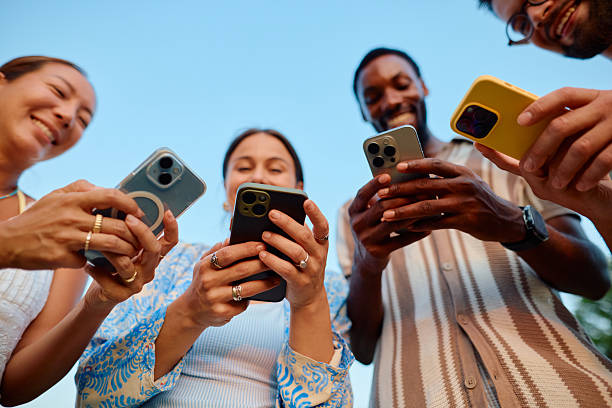
A breaking story used to send people toward television or a favorite news homepage. That habit is changing. More readers now see a headline on Facebook, watch a short explanation on TikTok, hear a creator discuss it on YouTube, or spot an update while scrolling Instagram. In 2026, Reuters Institute found that social media and video networks had become the most widely used news source across the 48 markets it studied. Fifty-four percent used these platforms for news, compared with 51% using news organizations’ own websites and apps.
That does not mean people have stopped caring about journalism. The bigger change is how people get news. News increasingly reaches readers inside platforms they already use for entertainment, messages, hobbies, and daily scrolling. That shift is changing social media news consumption, breaking-news habits, trust, video formats, and the role of traditional news sites.
News Now Reaches People Before They Go Looking For It
One of the biggest changes in online news consumption is simple: many people no longer begin with a news homepage. They open a social app. Once there, current events compete with family photos, sports clips, product videos, memes, music, and personal updates. A major story can appear in the same feed without the person ever deciding to read the news. Reuters calls this incidental news consumption.
On TikTok, 54% of people who consume news there say they usually encounter it while using the platform for other reasons. Instagram is similar at 55%. YouTube behaves differently. Fifty-five percent of its news users say they intentionally use the platform for news. This helps explain why news from social media keeps growing. People do not always choose social media instead of journalism. Sometimes the news appears there first.
News Websites Are Losing The Habit Of Being The First Stop
The shift becomes clearer when breaking news is involved. Pew Research Center found that 36% of U.S. adults usually turn first to a preferred news organization when a breaking event happens. Another 28% go to a search engine, while 19% turn to social media first. The comparison with 2018 is more striking. Back then, 54% said they went first to a preferred news organization. Only 9% chose social media. Search engines accounted for 15%. Direct news use has not disappeared. It has lost ground.
That matters because visiting a news site is an active decision. Opening Instagram or YouTube may not be. A reader might enter a platform for one reason and leave having learned about an election, storm, court decision, war, celebrity death, or market move.
The old path looked like this:
Something happened → open a news site → read about it.
The new path is often:
Open a platform → notice something happened → decide whether to learn more.
That small change has reshaped the digital news consumption journey.
Convenience Is Beating Habit
People spend a large part of their online time inside a few familiar apps. News organizations must reach them there or risk being skipped. That gives social platforms several practical advantages:
- news appears inside apps people already check throughout the day
- posts update quickly as a story develops
- video and short captions make stories easy to scan
- sharing a story takes seconds
- comments immediately show how other people are reacting
None of these things proves the information is better. They do make it easier to consume. Across its 2026 study, 30% of respondents said social media and video networks were now their main source of news. Five years earlier, that figure was 22%. The share relying only on social and video networks doubled from 6% in 2020 to 12% in 2026. Convenience has become a serious competitor to direct loyalty.
Younger Adults Are Showing Where News Habits May Be Heading
Age makes the difference even clearer. Pew found large gaps between younger and older Americans in where they regularly see news. Among adults ages 18 to 29, 43% regularly get news from TikTok, 41% from Facebook, 41% from YouTube, and 40% from Instagram. Among adults 65 and older, those figures fall sharply, especially for TikTok and Instagram.
That does not mean every young adult follows news closely. In fact, Pew has found younger adults tend to follow news less closely than older adults. Yet they are more likely to encounter it through feeds, creators, and social platforms. This creates an important difference. Older news habits were often built around a destination. A television channel aired the evening news. A newspaper arrived in the morning. A favorite website became a bookmark.
Different Platforms Play Different News Roles
It is easy to talk about social media as a news source as though every platform works the same way. They do not.
| Platform | U.S. Adults Who Regularly Get News There | Typical News Behavior |
| 38% | Feed-based discovery, links, local and national updates | |
| YouTube | 35% | Longer explanations, live streams, intentional news viewing |
| 20% | Visual updates, short videos, creator-led explanations | |
| TikTok | 20% | Fast clips, incidental discovery, creator commentary |
| X | 12% | Real-time updates, journalists, officials, breaking events |
The U.S. usage figures come from Pew’s 2025 social-media news research. The important point is not which platform wins. Each one fills a different part of the news day. YouTube can support longer explanations. TikTok and Instagram often deliver quick exposure. Facebook mixes news with community and personal content. X remains useful for real-time updates from journalists, officials, agencies, and witnesses. The result is a fragmented news routine rather than one single replacement for news websites.
Short Video Changed What A News Story Looks Like
A traditional article asks the reader to stop, open a page, and read. A short video asks for much less. A creator can explain a story in 45 seconds. A news outlet can show footage with captions. A user can watch without sound. Another clip can follow immediately. This has helped short form video news become part of everyday consumption. Reuters found that online news video growth is happening mainly on third-party platforms.
YouTube remains the largest video network for news globally. Reuters reports that 34% use it for news, while Instagram reaches 26% and TikTok 20% globally. Facebook remains larger overall at 43%. Video also lowers the effort required to understand a story. Readers who would never open a 1,200-word report may watch a two-minute explanation. That can improve reach. It can also reduce context.
News Influencers Are Becoming Part Of The Media Mix
A journalist used to be the most obvious person explaining the news. Now a creator may do it. Pew says 21% of U.S. adults regularly get news from social-media news influencers. Among adults ages 18 to 29, that rises to 38%.
People give several reasons for following these creators:
- 54% say influencers help them understand current events
- 54% value their speed on breaking news
- 49% cite authenticity
- 46% say they provide information that feels different from other sources
Those figures come from Americans who regularly use news influencers. The appeal is easy to see. A creator can speak directly to the camera. There may be no studio desk, formal script, or long introduction. The explanation can sound like one person telling another what happened. Reuters found something similar globally. Twenty-seven percent of respondents get some news from news-focused creators.
Breaking News Rewards The Fastest Screen
Speed has always mattered in journalism. Social platforms changed how visible that speed became. A witness can post a video before a reporter reaches the scene. A government official can publish an announcement directly. A journalist can post a short update while a full article is still being edited. Thousands of users can repost the same information within minutes. That makes it hard for news websites to compete on timing alone.
Pew’s breaking-news data shows the change. The share of Americans who go to social media first more than doubled from 9% in 2018 to 19% in the latest survey. Fast access is particularly attractive when a story is still developing. There is a trade-off, though. Early information is often incomplete. Details change. Videos can lack context. Old footage may be reposted as new. Rumors can spread before a newsroom has confirmed what happened.
Algorithms Now Decide Which Stories Many People Notice
When someone opens a news homepage, editors have usually decided which stories deserve the most attention. A social feed works differently. A news algorithm on social media may rank posts using past behavior, viewing time, shares, follows, comments, location, and other signals. The exact formula differs by platform and changes over time. That means two people can open the same app and see very different versions of the day’s news.
One may see election coverage. Another sees weather emergencies. Someone else gets entertainment stories and almost no public-affairs news. This is another reason people get different news. The platform isn’t just delivering stories. It is deciding which stories each person is most likely to notice. Algorithms can make feeds feel highly relevant. They can surface subjects a reader already cares about. They can also narrow exposure. A person may keep seeing similar voices, opinions, and story types because those posts hold attention. That is very different from opening a news homepage where unrelated topics sit side by side.
News Fatigue Makes Passive Discovery More Attractive
Another reason people may not actively visit news sites is that some are tired of news. Pew found that 52% of U.S. adults say they feel worn out by the amount of news available. Sixty percent say they have reduced the amount of news they get at some point, while 67% have stopped getting news from a specific source. Nearly half say much of the news they encounter does not feel relevant to their lives.
At the same time, 47% believe they can stay informed even without actively following news. That attitude fits social feeds perfectly. No one has to sit down and catch up on the day’s headlines. Major stories will probably appear somewhere in the feed. This helps explain incidental news consumption. It is not always a preference for social media journalism. Sometimes it is a preference for not having to seek news at all.
The Trust Problem Has Not Gone Away
Social media may be convenient, but people do not automatically trust what they see there. Reuters found overall trust in news across its 2026 markets at 37%. Trust in news encountered on social media was only 22%. Concern about misinformation rose to 62% on average. That creates one of the stranger features of modern news habits. People often use platforms they trust less because they’re easier to access. Convenience and confidence are pulling in different directions.
A reader can reduce the risk by treating a social post as the start of the reporting process:
- check who originally published the claim
- look for reporting from more than one credible outlet
- check the date and location of videos or images
- separate eyewitness posts from confirmed facts
- open the full article before reacting to the headline
This does not require distrusting everything on social media. Many reliable journalists and news organizations publish there. The key is knowing whether the information came from reporting, commentary, a creator, an official source, or an anonymous account.
Social Media Is Not Replacing Journalism In A Simple Way
It would be easy to look at the numbers and say social media vs news websites has a clear winner. The reality is less tidy. Reuters found that most people who get news from creators still use traditional news media. Only 3% of respondents across its markets rely solely on creators for their news needs. News organizations themselves also publish heavily on Facebook, Instagram, YouTube, TikTok, and other platforms. A person watching a news clip on Instagram may still be consuming reporting produced by a traditional newsroom.
The location changed. The journalism did not necessarily change. That is why the current shift is better understood as a change in how people discover news. Audiences increasingly encounter journalism away from the publisher’s own property. This creates a problem for news organizations because a social view does not always become a website visit, subscriber, or loyal reader. Reuters says only 17% pay for online news across the 20 markets where it tracks payment. Moving audiences away from direct visits could make subscriber growth even harder.
News Sites Still Do Things A Feed Cannot Do Well
A social post is excellent at getting attention. A full news article can do more with that attention. Longer reporting can explain what came before an event. It can link documents. It can correct earlier information. It can show how reporters verified claims. Investigations may take weeks or months and cannot be reduced fairly to one short clip.
Direct news sources remain useful when a reader needs:
- the full timeline of a complicated event
- confirmed details after early reports change
- original documents or data
- reporting from several named sources
- corrections and updates kept in one place
That is why social media news credibility should not be judged only by whether a post is true or false. Context matters too. A 30-second clip can be factually correct and still leave out the detail needed to understand what happened. The strongest news habits may involve both systems: platforms for discovery and established reporting for confirmation and depth.
The Future Of News May Be About Location, Not Disappearance
The major 2026 change is not that news websites suddenly became useless. People still turn to news organizations, especially when they want confirmed information. Thirty-six percent of Americans still say a preferred news organization is their first stop during breaking news, making it the widest single choice in Pew’s survey. What changed is the route. If you want smarter daily updates and breaking stories you can actually trust, follow Explores Everyday. A growing share of news now travels through TikTok clips, YouTube videos, Facebook feeds, Instagram posts, creator accounts, search engines, notifications, and group chats before a reader ever considers opening a news homepage.
That has made social media news quicker to encounter and harder to avoid. For readers, the useful habit is not choosing one side of social media vs news websites forever. It is knowing what each source is good at. That difference will matter even more as the future of digital news moves further away from one destination and toward a mix of feeds, creators, platforms, and original reporting.
Frequently Asked Questions
Why are more people getting news from social media instead of news websites?
People increasingly get news from social media because the news appears inside platforms they already use every day. They do not always make a separate decision to visit a news website. Reuters Institute found that social and video networks reached 54% of respondents for news in 2026, slightly ahead of news websites and apps at 51%. Feeds also make breaking updates, videos, reactions, and shared stories available in one place. Younger audiences are especially comfortable getting information this way. However, this does not mean traditional journalism has disappeared. News organizations also publish much of their reporting on social platforms. The important change is often where a reader encounters the story, which raises another question: whether people actually seek that news out.
Do people actively search for news on social media, or do they come across it?
Many people come across news while using social media for something else. Reuters Institute calls this incidental news consumption. Among TikTok news users, 54% say they mainly see news while on the platform for other reasons. The figure is 55% on Instagram. YouTube works differently, with 55% of its news users saying they intentionally go there for news. Pew found a similar pattern with news influencers: 69% of Americans who regularly get news from influencers mostly happen to come across their posts. This passive discovery helps explain why social media can become an important news source even for people who do not follow news closely. The pattern is especially important among younger adults, whose platform habits differ sharply from older generations.
Why do younger adults rely on social media for news more than older adults?
Younger adults already spend more of their online time on platforms where news now circulates heavily. Pew found that 43% of U.S. adults ages 18 to 29 regularly get news from TikTok, while 40% do so on Instagram. Those shares fall sharply among older adults. Young adults are also much more likely to follow news influencers. Thirty-eight percent of Americans under 30 regularly get news from them, compared with 8% of adults 65 and older. This does not mean younger adults always follow the news more. Pew has found that they often follow it less closely overall. Their news is simply more likely to arrive through feeds, video, creators, and recommendations. That helps explain why influencers have become a larger part of the news system.
Why are news influencers becoming important sources of current events?
News influencers attract audiences because they often make current events faster and easier to understand. Among Americans who regularly get news from influencers, 54% say a major reason is that they help them understand current events. The same share values their speed on breaking news. About half cite authenticity, while 46% say influencers provide information that feels different from other sources. Reuters Institute also found that creators are often seen as more entertaining, relatable, and easier to understand than traditional outlets. The trade-off is trust. Creators are generally viewed as less impartial and less trustworthy. Their speed becomes particularly important during breaking events, when people often want information before a full news article is ready.
Is social media faster than news websites for breaking news?
Social media can be faster at sharing early updates, but faster does not always mean more accurate. Witnesses, officials, journalists, emergency agencies, and other users can post immediately. Newsrooms may need time to confirm names, locations, numbers, images, and other details before publishing a full report. Pew found that 19% of U.S. adults now turn first to social media when a breaking event happens, more than double the 9% who said this in 2018. Preferred news organizations still lead at 36%. Social media therefore works well for early awareness, while established reporting often becomes more useful as facts are checked and the story develops. Because early posts can be incomplete or wrong, speed naturally leads to a harder issue: whether readers can trust what appears in their feeds.
Can people trust news they see on social media?
Some social-media news is trustworthy, but readers should verify the source before treating a post as confirmed. Reuters Institute found that trust in news encountered through social media was only 22% globally in 2026. Concern about misinformation reached 62%. Reliable newspapers, broadcasters, journalists, public agencies, researchers, and officials all publish on social platforms, so the platform itself does not decide whether a claim is true. The source and evidence matter more. Check who posted the information, whether other credible outlets confirm it, and whether images or videos match the claimed date and place. Once readers use social feeds for discovery and full reporting for confirmation, the final question becomes whether news websites are actually being replaced.
Will social media eventually replace traditional news websites?
Social media is unlikely to replace news websites completely, but it may continue to replace direct visits as the way many people first encounter stories. Reuters Institute found that social and video networks now lead news websites and apps in overall global use. However, most people who follow news creators still use traditional news media. Only 3% in the Reuters study relied solely on creators for news. Newsrooms also produce much of the journalism later shared across social feeds. Websites remain important for full articles, corrections, archives, documents, subscriptions, and deeper reporting. The future is therefore more likely to be mixed than purely social. Platforms may control more discovery, while news organizations continue producing much of the reporting people ultimately depend on for context and verification.













Leave a comment