


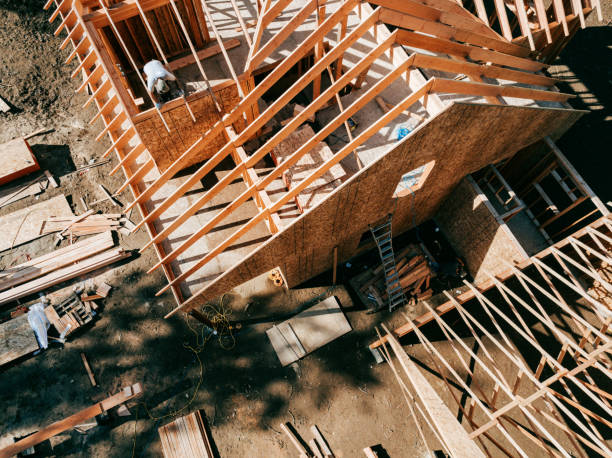
Construction

How Long Does It Take to Build a House? Construction Time Guide

build a house
build a house

A lot of people don’t realize how long it takes to build a home. The framework is not the first step of the work. Your move-in date depends on plans, permits, site work, inspections, materials, and trade schedules. How long does it take to build a house? The U.S. Census shows that 46% of single-family homes completed in 2024 took four to six months to build. The last 20% took 7 to 9 months to complete. But those numbers don’t tell the whole story of what goes into planning before the building starts.

The whole building process can be much longer due to design and permitting. Custom home buyers might need more time because they have more choices to make during the building process. Explores Everyday covers practical construction topics that help readers understand major home projects. This guide walks through the house building process from early planning to the keys changing hands.

What Is the Average Time to Build a House?

There is no single average time to build a house that fits every project. The U.S. Census Bureau tracks start-to-completion times through its Survey of Construction, which HUD partly funds. Census Bureau defines construction timing by the month a project starts and the month it reaches completion.

For single-family homes completed in 2024:

Time from start to completionShare of homes
3 months or less13%
4–6 months46%
7–9 months20%
10–12 months9%
13 months or more13%

These numbers answer part of the question: how many months does it take to build a house? Yet they begin at construction start. Design, financing, zoning approval, and the building permit timeline can add weeks or months to the time before excavation begins. That is why a realistic new home construction timeline should include both pre-construction and physical building work.

Planning Starts Long Before the Excavator Arrives

Good home construction planning starts with choices about the land, budget, floor plan, materials, and builder. Before construction begins, a site plan may be created, along with architectural plans, financing, surveys, engineering work, zoning checks, and permit applications. A custom home typically requires more design work than a spec home, which is built from a predesigned plan. The general contractor or home builder may also need early pricing from subcontractors. Long-lead products should be identified before work reaches the point where they are needed.

Important early choices include:

  • House size and layout
  • Foundation type
  • Exterior materials
  • Heating and cooling system
  • Windows and exterior doors
  • Cabinets and flooring
  • Plumbing and electrical needs
  • Major fixtures

Frequent design changes during this stage can push the construction schedule back before ground is broken. Locking major choices early gives the builder a better chance of ordering materials at the right time.

Permits Can Change the Starting Date

A building permit is usually required before new residential construction can move forward in permit-issuing areas. Local rules control the process, so requirements differ by city, county, and state. DOE notes that building codes govern how structures and systems must be designed and built. Local officials use plan reviews and inspections to check code compliance. Homeowners often ask how long building permits take. There is no national answer. The building department may approve a simple plan quickly, while a project needing revisions can take much longer.

Delays can come from:

  • Missing plan details
  • Zoning problems
  • Engineering questions
  • Required plan corrections
  • Heavy permit-office workloads
  • Changes made after submission

The house construction timeline should never assume permit approval will happen on a fixed date. A clean application with complete architectural plans can reduce avoidable back-and-forth.

Site Work Turns a Plan Into a Building Project

Once approvals are ready, site preparation for new home construction can begin. Crews may clear vegetation, establish access, mark utilities, grade the site, and prepare areas for excavation. The amount of work depends on the property. A flat serviced lot can be simpler than land with steep grades, rock, poor soil, drainage problems, or limited access for equipment.

Excavation follows the approved site plan. Crews dig for footings, foundation walls, utility runs, or a concrete slab. The Census Bureau considers construction started when excavation begins for the footings or foundation. This definition matters because national start-to-completion data begins at that stage. Unexpected soil conditions can affect the schedule. Rock removal, groundwater, unstable soil, or drainage work may need attention before the foundation moves forward.

Foundation Work Sets Up Everything Above It

How long for a base? “It’s a combination of the plan, the soil, the weather, the need for inspections, and the work on the concrete.” A house may have a basement, crawl space, slab, or any other approved type of foundation. Footings, forms, reinforcing steel, pouring concrete, waterproofing, and drainage are some of the things needed to build a house. You can’t rush this stage because then crews have to wait.

They have to put the forms and reinforcements in the right places. Concrete needs time to get stronger. Inspections may be required before covering the work. Rain may slow work down. “If it freezes, it can be harmful to concrete work. Wet soil can be difficult for heavy equipment as well. Once the base is ready, framing can start. Now you can see how big and round the house is above ground level.

Mechanical Work Happens Behind the Walls

Once the shell is protected, several subcontractors begin work inside. The phrase rough-in plumbing, electrical, and HVAC refers to the stage when pipes, wires, ducts, equipment lines, boxes, and other systems are installed before walls are closed. Plumbers may run supply and drain lines. Electricians install wiring and electrical boxes. HVAC crews place ducts, vents, lines, and equipment connections.

Coordination matters because each trade needs space inside the same walls and ceilings. Poor scheduling can leave one crew waiting for another, while a change to a kitchen layout can affect plumbing and electrical work. Moving a wall may also affect HVAC runs. These changes are common examples of hidden costs in construction projects that can impact both the overall budget and timeline. Once rough work is complete, building inspection requirements may need to be met before insulation and drywall are installed to conceal those systems.

Inspections Are Part of the Schedule

A home inspection timeline during construction is different from a buyer’s inspection of a finished house. Local building officials may inspect work at several stages. Exact requirements vary by jurisdiction. DOE defines code compliance as the point at which adopted building requirements are verified during construction. Inspectors may review work against codes, approved plans, and local rules.

Inspection points can include:

  • Foundation work
  • Structural framing
  • Rough plumbing
  • Rough electrical
  • HVAC systems
  • Insulation
  • Final building work

A failed inspection does not always mean there is a major problem. A small correction may be needed before approval. However, the project may pause while the subcontractor returns and another inspection is scheduled. Building inspections should be included in the construction schedule rather than treated as unexpected interruptions.

Drywall and Interior Work Can Take Longer Than Expected

Once rough systems pass the needed checks, insulation and drywall can close the walls. Drywall installation can move quickly, but finishing takes several steps. Joint compound needs time to dry before sanding and another coat. Interior finishes follow. Work can include paint, trim, interior doors, cabinets, flooring, countertops, plumbing fixtures, lights, switches, and appliances. This stage can feel slow because many small tasks must happen in the right order.

Cabinets may need to be installed before countertops are measured. Countertops may need to be ready before the final sink connection. Flooring may need to wait until heavy work is finished. Material lead times become important here. A missing cabinet, damaged window, backordered light, or late plumbing fixture can hold up one room even when most of the house looks complete.

Why Do Construction Delays Happen?

Construction delays rarely come from one source. The common causes of construction delays include weather, permit problems, missing materials, labor shortages, failed inspections, design changes, and scheduling conflicts between subcontractors. Weather delays in construction can affect several stages. Heavy rain can stop excavation. Wind can make roof work unsafe. Snow and freezing temperatures may slow exterior work. Material delays in home construction can be just as disruptive. Windows, doors, cabinets, electrical equipment, specialty flooring, and custom fixtures may have long lead times.

Labor shortages can create another gap. The project may be ready for a trade, but the subcontractor may still be finishing another job. Homeowners can reduce some delays by making selections early and responding quickly when decisions are needed. Other delays cannot be controlled. A good construction schedule includes room for normal changes rather than assuming every task will happen on its ideal date.

Custom Homes Usually Need More Time

How long does it take to build a custom home? Census data suggests contractor-built and owner-built homes are more likely to take longer than homes built for sale. In 2024, 29% of contractor-built single-family homes took 13 months or more to complete. For owner-built homes, that figure was 38%. Only 6% of built-for-sale homes fell into the same 13-month-or-longer group.

A custom home involves more individual choices. Special windows, unusual materials, custom cabinets, design changes, or detailed interior work may add time. An owner-built home may move even more slowly when the owner acts as the general contractor and coordinates subcontractors directly. The lesson is not that custom building is inefficient. The project has more decisions and fewer repeated processes than many production homes.

A Good Schedule Leaves Room for Real Life

How long does it take to make something new? According to the National Census 2024, most single-family homes were finished four to six months after the original construction. A helpful construction timeline starts before the foundation is poured. Things can take longer due to things like permits, design work, site conditions, custom choices, the weather, subcontractor schedules, inspections, material availability, etc.

Explores Everyday covers construction topics for readers who want a clearer view of major home projects. How long does it take to build a house? That is not an easy question to answer. This plan makes sense given the type of house, its location, how it is built, the required permits, and the choices that need to be made.

Frequently Asked Questions

How long does it usually take to build a house from start to finish?

Census data show that 46% of single-family homes completed in 2024 took four to six months from the start of construction. Another 20% took seven to nine months. Planning, design, financing, permits, and zoning can add more time before physical construction begins.

What stages of building a house take the most time?

The stages of building a house vary by project, but permitting, foundation work, framing, rough mechanical systems, drywall, and interior finishes can affect the schedule. Custom cabinets, windows, inspections, and trade coordination may create long gaps even when the house appears close to completion.

How long does it take to build a custom home compared with a standard home?

Custom homes often take longer. In 2024, 29% of contractor-built homes and 38% of owner-built homes took 13 months or more after construction started. Only 6% of built-for-sale homes took that long. Design choices and unique materials can increase the timeline.

Do permits and inspections delay new home construction?

They can affect timing, but permits and inspections are normal parts of regulated construction. Plan corrections, scheduling backlogs, failed inspections, or missing documents may add time. Requirements vary by local building department, so homeowners should ask about expected review periods before setting a firm construction start date.

What are the most common causes of construction delays?

Common causes include bad weather, permit issues, material shortages, late selections, subcontractor scheduling conflicts, failed inspections, labor shortages, and change orders. Site conditions can create delays too. Early planning reduces some risks, but no construction schedule can remove every weather, supply, or labor problem.

Can bad weather significantly increase a home construction timeline?

Yes. Heavy rain can stop excavation and foundation work. Strong wind may delay roofing, while snow and freezing temperatures can slow exterior work. Weather can also leave soil too wet for equipment. The effect depends on climate, construction stage, site drainage, and the work scheduled that day.

What can homeowners do to keep a new house build on schedule?

Homeowners can make material choices early, avoid late design changes, answer builder questions quickly, and track products with long lead times. They should understand permit and inspection needs before work begins. Regular communication with the home builder also helps catch decisions that could delay subcontractors or ordered materials.


Written by
exploreseveryday

Explores Everyday is managed by a passionate team of writers and editors, led by the voice behind the 'exploreseveryday' persona.

Leave a comment

Leave a Reply

Your email address will not be published. Required fields are marked *

Related Articles

Roofing Contractor Haverhill, MA
Construction

How Siding Installation Protects Your Haverhill Home and Complements Your Roof

Your home’s exterior is its first line of defense against New England...

SimTech Electric & Automation Corp
Construction

How to Choose the Right Home Automation Company for Your Electrical Installation in Wilmington, CA

Finding a qualified electrical installation service in Wilmington, CA that specializes in...

How Air Duct Cleaning Impacts Your HVAC System Performance in Sevierville When your heating and cooling system struggles to maintain comfortable temperatures or your energy bills creep upward without explanation, the problem might be hiding in plain sight. Your air ducts, the network of pathways that deliver conditioned air throughout your home, accumulate dust, debris, and contaminants over time. For homeowners in Sevierville, where seasonal temperature swings demand reliable climate control, understanding the connection between clean ductwork and system performance can save you money and extend the life of your equipment. Many property owners overlook duct maintenance until a major system failure forces their hand. The reality is that regular attention to your ductwork directly affects how efficiently your HVAC system operates. Clean ducts mean better airflow, reduced strain on mechanical components, and fewer repair calls. This guide explores how professional air duct cleaning service in Sevierville, TN can transform your system's performance and what you need to know about maintaining the entire system for optimal results. The Hidden Connection Between Dirty Ducts and System Efficiency Your HVAC system works as an integrated whole. When one component underperforms, the entire system compensates. Dirty ductwork forces your furnace or air conditioner to work harder to push air through restricted passages. This extra effort translates directly into higher energy consumption and accelerated wear on motors, fans, and compressors. Think of your ductwork like arteries in a circulatory system. When blockages develop, the heart must pump harder to maintain blood flow. Similarly, when dust and debris coat duct interiors, your blower motor strains to maintain adequate airflow. This increased resistance not only reduces comfort in individual rooms but also shortens the lifespan of expensive mechanical components. An HVAC contractor in Sevierville, TN who specializes in comprehensive system care will assess both ductwork cleanliness and mechanical function during routine visits. The impact shows up in measurable ways. Systems with heavily contaminated ducts can experience airflow reductions of 20 to 40 percent. That lost capacity means longer run times to reach desired temperatures, which directly increases your utility costs. Beyond energy waste, restricted airflow causes uneven heating or cooling, creating hot and cold spots that no thermostat adjustment can fix. Common Contaminants That Compromise Performance Dust and Particulate Matter Household dust is the most common duct contaminant. It enters through return vents and accumulates on interior surfaces. While some dust is inevitable, excessive buildup creates insulating layers that reduce thermal transfer efficiency. When dust coats evaporator coils and heat exchangers within the system, it acts as a blanket, preventing proper heat exchange and forcing longer operating cycles. Mold and Moisture Accumulation Sevierville's humid climate creates ideal conditions for mold growth inside ductwork, especially if condensation occurs due to temperature differentials or system inefficiencies. Mold not only affects indoor air quality but also degrades duct materials over time. The presence of biological growth often indicates underlying moisture problems that require attention as part of HVAC system repair and maintenance in Sevierville, TN. Construction Debris and Foreign Objects Homes that have undergone renovations frequently have construction dust, drywall particles, and even small tools or materials left inside ductwork. New construction properties often have substantial debris that accumulated during the building process. These materials create significant blockages and can damage system components if pulled into the blower assembly. When to Schedule Professional Duct Cleaning Most experts recommend professional air duct cleaning service in Sevierville, TN every three to five years for typical households. However, certain circumstances warrant more frequent attention. If you notice visible dust puffing from vents when the system starts, detect musty odors when running heating or cooling, or observe excessive dust accumulation on furniture despite regular cleaning, your ducts likely need professional attention. Homes with pets, smokers, or family members with allergies or respiratory conditions benefit from more frequent cleaning, typically every two to three years. After any home renovation project, schedule a duct inspection and cleaning to remove construction debris before it circulates through your living spaces. Recent water damage or flooding also necessitates immediate duct evaluation, as moisture creates conditions for rapid mold development. Pay attention to system performance changes. If some rooms suddenly become harder to heat or cool, or if your energy bills increase without corresponding weather changes or usage patterns, compromised ductwork might be the culprit. These symptoms often appear gradually, making them easy to dismiss until they become severe enough to demand attention. The Professional Cleaning Process Legitimate duct cleaning involves more than running a vacuum through your vents. Professional technicians use specialized equipment including high-powered vacuum systems, rotating brushes, and compressed air tools to dislodge and remove contaminants throughout the entire duct system. The process typically begins with a visual inspection using cameras to assess contamination levels and identify any structural issues. Technicians create negative pressure within the duct system using a large vacuum unit, then methodically clean each branch while the vacuum captures dislodged materials. This prevents contaminants from spreading into living areas during the cleaning process. Quality providers also clean supply and return registers, the plenum, and accessible portions of the HVAC equipment itself. Be cautious of providers offering suspiciously low prices or claiming duct cleaning cures all health problems. Reputable professionals provide transparent pricing, explain their process in detail, and coordinate cleaning with broader HVAC system repair and maintenance in Sevierville, TN to address any mechanical issues discovered during the work. Maintaining System Performance Between Cleanings Professional duct cleaning delivers the deepest results, but homeowners can take steps to maintain cleanliness between service visits. The single most important action is regular filter replacement. Most systems require new filters every one to three months depending on filter type and household conditions. High-quality pleated filters capture more particulates before they enter ductwork, but they also require more frequent replacement than basic fiberglass filters. Keep return and supply vents clear of furniture and curtains to maintain proper airflow. Vacuum register covers monthly to prevent dust buildup from being drawn into the system. During cleaning, avoid using chemical sprays or harsh cleaners near vents, as these products can be pulled into ductwork and distributed throughout your home. Control indoor humidity levels, ideally keeping them between 30 and 50 percent. This range discourages mold growth while maintaining comfort. Use bathroom and kitchen exhaust fans to remove moisture at the source, reducing the humidity load on your HVAC system. Address any water leaks promptly, as even small amounts of moisture can create problems inside ductwork over time. Coordinating Duct Cleaning with System Maintenance The most effective approach combines duct cleaning with comprehensive system maintenance. When an HVAC contractor in Sevierville, TN performs routine maintenance, they can identify duct issues and recommend cleaning when truly necessary rather than on an arbitrary schedule. This integrated approach catches problems early, before they escalate into expensive repairs or system failures. During maintenance visits, technicians inspect ductwork connections, seal leaks, and verify proper insulation. These factors significantly impact system efficiency. Even spotlessly clean ducts deliver poor performance if joints leak conditioned air into attics or crawl spaces. Combining duct cleaning with maintenance ensures both clean pathways and tight, efficient distribution of heated or cooled air. Schedule duct cleaning for shoulder seasons, spring or fall, when you are less dependent on heating or cooling. This timing allows for thorough work without compromising comfort. It also positions your system for peak performance heading into the most demanding months of summer heat or winter cold. Final Thoughts on Protecting Your Investment Your HVAC system represents a significant investment in home comfort and property value. Clean ductwork is not just about air quality; it is fundamental to system efficiency, longevity, and reliable performance. By understanding how contaminated ducts impact mechanical components and energy consumption, you can make informed decisions about when professional cleaning makes sense for your situation. Whether you are addressing immediate performance problems or taking a proactive approach to system care, working with qualified professionals ensures results that actually improve your home environment. For Sevierville residents looking for comprehensive system care, Breathe Fresh LLC combines expert duct cleaning with thorough maintenance services, helping homeowners maximize comfort while minimizing energy costs and repair needs. Taking a holistic view of your HVAC system, from ductwork to mechanical components, pays dividends in lower bills, better comfort, and equipment that serves you reliably for years to come. Frequently Asked Questions How long does professional duct cleaning take for an average home? A thorough professional duct cleaning typically takes between two and four hours for an average-sized home. The exact duration depends on factors including system size, accessibility of ductwork, contamination levels, and whether any repairs or modifications are needed. Larger homes with multiple HVAC systems or extensive ductwork may require additional time. Quality providers focus on completeness rather than speed, ensuring all branches receive proper attention. Can dirty ducts actually damage my HVAC equipment? Yes, contaminated ductwork can cause real damage to HVAC components over time. Restricted airflow forces blower motors to work harder, leading to premature failure. Dust drawn into the system can coat evaporator coils and heat exchangers, reducing efficiency and potentially causing overheating. In extreme cases, debris can damage fan blades or clog condensate drains. Regular cleaning prevents these problems and extends equipment lifespan significantly. How much can I expect to save on energy bills after duct cleaning? Energy savings vary based on initial contamination levels and overall system condition. Homes with heavily contaminated ductwork may see energy consumption reductions of 10 to 20 percent after professional cleaning. However, duct cleaning alone does not guarantee savings if other system problems exist. The greatest benefits come from combining duct cleaning with regular maintenance, proper insulation, and sealed duct connections to create an efficient overall system. What is the difference between duct cleaning and regular HVAC maintenance? Regular HVAC maintenance focuses on mechanical components like motors, coils, refrigerant levels, and electrical connections to ensure proper system operation. Duct cleaning specifically addresses contaminants inside the air distribution pathways. Both services are important but serve different purposes. The most effective approach combines both, with annual or semi-annual maintenance visits and duct cleaning every few years or as needed based on household conditions and usage patterns. Are there any risks to having my ducts cleaned? When performed by qualified professionals using proper equipment, duct cleaning is safe and beneficial. However, improper techniques can damage ductwork, dislodge asbestos insulation in older homes, or spread contaminants instead of removing them. Always verify that your provider follows industry standards, uses appropriate negative pressure systems, and has experience with your type of ductwork. Avoid providers who suggest unnecessary chemical treatments or make exaggerated health claims about the benefits of cleaning.
ConstructionAutomotive

How Air Duct Cleaning Impacts Your HVAC System Performance in Sevierville

When your heating and cooling system struggles to maintain comfortable temperatures or...

Ralph Edwards Realty
Construction

Complete Guide to Real Estate Services in Vista, CA: What Home Buyers Need to Know

Finding the right home in Vista, California requires more than just browsing...