






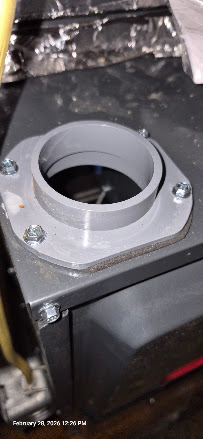
When your heating and cooling system struggles to maintain comfortable temperatures or your energy bills creep upward without explanation, the problem might be hiding in plain sight. Your air ducts, the network of pathways that deliver conditioned air throughout your home, accumulate dust, debris, and contaminants over time. For homeowners in Sevierville, where seasonal temperature swings demand reliable climate control, understanding the connection between clean ductwork and system performance can save you money and extend the life of your equipment.
Many property owners overlook duct maintenance until a major system failure forces their hand. The reality is that regular attention to your ductwork directly affects how efficiently your HVAC system operates. Clean ducts mean better airflow, reduced strain on mechanical components, and fewer repair calls. This guide explores how professional air duct cleaning service in Sevierville, TN can transform your system’s performance and what you need to know about maintaining the entire system for optimal results.
The Hidden Connection Between Dirty Ducts and System Efficiency
Your HVAC system works as an integrated whole. When one component underperforms, the entire system compensates. Dirty ductwork forces your furnace or air conditioner to work harder to push air through restricted passages. This extra effort translates directly into higher energy consumption and accelerated wear on motors, fans, and compressors.
Think of your ductwork like arteries in a circulatory system. When blockages develop, the heart must pump harder to maintain blood flow. Similarly, when dust and debris coat duct interiors, your blower motor strains to maintain adequate airflow. This increased resistance not only reduces comfort in individual rooms but also shortens the lifespan of expensive mechanical components. An HVAC contractor in Sevierville, TN who specializes in comprehensive system care will assess both ductwork cleanliness and mechanical function during routine visits.
The impact shows up in measurable ways. Systems with heavily contaminated ducts can experience airflow reductions of 20 to 40 percent. That lost capacity means longer run times to reach desired temperatures, which directly increases your utility costs. Beyond energy waste, restricted airflow causes uneven heating or cooling, creating hot and cold spots that no thermostat adjustment can fix.
Common Contaminants That Compromise Performance
Dust and Particulate Matter
Household dust is the most common duct contaminant. It enters through return vents and accumulates on interior surfaces. While some dust is inevitable, excessive buildup creates insulating layers that reduce thermal transfer efficiency. When dust coats evaporator coils and heat exchangers within the system, it acts as a blanket, preventing proper heat exchange and forcing longer operating cycles.
Mold and Moisture Accumulation
Sevierville’s humid climate creates ideal conditions for mold growth inside ductwork, especially if condensation occurs due to temperature differentials or system inefficiencies. Mold not only affects indoor air quality but also degrades duct materials over time. The presence of biological growth often indicates underlying moisture problems that require attention as part of HVAC system repair and maintenance in Sevierville, TN.
Construction Debris and Foreign Objects
Homes that have undergone renovations frequently have construction dust, drywall particles, and even small tools or materials left inside ductwork. New construction properties often have substantial debris that accumulated during the building process. These materials create significant blockages and can damage system components if pulled into the blower assembly.
When to Schedule Professional Duct Cleaning
Most experts recommend professional air duct cleaning service in Sevierville, TN every three to five years for typical households. However, certain circumstances warrant more frequent attention. If you notice visible dust puffing from vents when the system starts, detect musty odors when running heating or cooling, or observe excessive dust accumulation on furniture despite regular cleaning, your ducts likely need professional attention.
Homes with pets, smokers, or family members with allergies or respiratory conditions benefit from more frequent cleaning, typically every two to three years. After any home renovation project, schedule a duct inspection and cleaning to remove construction debris before it circulates through your living spaces. Recent water damage or flooding also necessitates immediate duct evaluation, as moisture creates conditions for rapid mold development.
Pay attention to system performance changes. If some rooms suddenly become harder to heat or cool, or if your energy bills increase without corresponding weather changes or usage patterns, compromised ductwork might be the culprit. These symptoms often appear gradually, making them easy to dismiss until they become severe enough to demand attention.
The Professional Cleaning Process
Legitimate duct cleaning involves more than running a vacuum through your vents. Professional technicians use specialized equipment including high-powered vacuum systems, rotating brushes, and compressed air tools to dislodge and remove contaminants throughout the entire duct system. The process typically begins with a visual inspection using cameras to assess contamination levels and identify any structural issues.
Technicians create negative pressure within the duct system using a large vacuum unit, then methodically clean each branch while the vacuum captures dislodged materials. This prevents contaminants from spreading into living areas during the cleaning process. Quality providers also clean supply and return registers, the plenum, and accessible portions of the HVAC equipment itself.
Be cautious of providers offering suspiciously low prices or claiming duct cleaning cures all health problems. Reputable professionals provide transparent pricing, explain their process in detail, and coordinate cleaning with broader HVAC system repair and maintenance in Sevierville, TN to address any mechanical issues discovered during the work.
Maintaining System Performance Between Cleanings
Professional duct cleaning delivers the deepest results, but homeowners can take steps to maintain cleanliness between service visits. The single most important action is regular filter replacement. Most systems require new filters every one to three months depending on filter type and household conditions. High-quality pleated filters capture more particulates before they enter ductwork, but they also require more frequent replacement than basic fiberglass filters.
Keep return and supply vents clear of furniture and curtains to maintain proper airflow. Vacuum register covers monthly to prevent dust buildup from being drawn into the system. During cleaning, avoid using chemical sprays or harsh cleaners near vents, as these products can be pulled into ductwork and distributed throughout your home.
Control indoor humidity levels, ideally keeping them between 30 and 50 percent. This range discourages mold growth while maintaining comfort. Use bathroom and kitchen exhaust fans to remove moisture at the source, reducing the humidity load on your HVAC system. Address any water leaks promptly, as even small amounts of moisture can create problems inside ductwork over time.
Coordinating Duct Cleaning with System Maintenance
The most effective approach combines duct cleaning with comprehensive system maintenance. When an HVAC contractor in Sevierville, TN performs routine maintenance, they can identify duct issues and recommend cleaning when truly necessary rather than on an arbitrary schedule. This integrated approach catches problems early, before they escalate into expensive repairs or system failures.
During maintenance visits, technicians inspect ductwork connections, seal leaks, and verify proper insulation. These factors significantly impact system efficiency. Even spotlessly clean ducts deliver poor performance if joints leak conditioned air into attics or crawl spaces. Combining duct cleaning with maintenance ensures both clean pathways and tight, efficient distribution of heated or cooled air.
Schedule duct cleaning for shoulder seasons, spring or fall, when you are less dependent on heating or cooling. This timing allows for thorough work without compromising comfort. It also positions your system for peak performance heading into the most demanding months of summer heat or winter cold.
Final Thoughts on Protecting Your Investment
Your HVAC system represents a significant investment in home comfort and property value. Clean ductwork is not just about air quality; it is fundamental to system efficiency, longevity, and reliable performance. By understanding how contaminated ducts impact mechanical components and energy consumption, you can make informed decisions about when professional cleaning makes sense for your situation.
Whether you are addressing immediate performance problems or taking a proactive approach to system care, working with qualified professionals ensures results that actually improve your home environment. For Sevierville residents looking for comprehensive system care, Breathe Fresh LLC combines expert duct cleaning with thorough maintenance services, helping homeowners maximize comfort while minimizing energy costs and repair needs. Taking a holistic view of your HVAC system, from ductwork to mechanical components, pays dividends in lower bills, better comfort, and equipment that serves you reliably for years to come.
Frequently Asked Questions
How long does professional duct cleaning take for an average home?
A thorough professional duct cleaning typically takes between two and four hours for an average-sized home. The exact duration depends on factors including system size, accessibility of ductwork, contamination levels, and whether any repairs or modifications are needed. Larger homes with multiple HVAC systems or extensive ductwork may require additional time. Quality providers focus on completeness rather than speed, ensuring all branches receive proper attention.
Can dirty ducts actually damage my HVAC equipment?
Yes, contaminated ductwork can cause real damage to HVAC components over time. Restricted airflow forces blower motors to work harder, leading to premature failure. Dust drawn into the system can coat evaporator coils and heat exchangers, reducing efficiency and potentially causing overheating. In extreme cases, debris can damage fan blades or clog condensate drains. Regular cleaning prevents these problems and extends equipment lifespan significantly.
How much can I expect to save on energy bills after duct cleaning?
Energy savings vary based on initial contamination levels and overall system condition. Homes with heavily contaminated ductwork may see energy consumption reductions of 10 to 20 percent after professional cleaning. However, duct cleaning alone does not guarantee savings if other system problems exist. The greatest benefits come from combining duct cleaning with regular maintenance, proper insulation, and sealed duct connections to create an efficient overall system.
What is the difference between duct cleaning and regular HVAC maintenance?
Regular HVAC maintenance focuses on mechanical components like motors, coils, refrigerant levels, and electrical connections to ensure proper system operation. Duct cleaning specifically addresses contaminants inside the air distribution pathways. Both services are important but serve different purposes. The most effective approach combines both, with annual or semi-annual maintenance visits and duct cleaning every few years or as needed based on household conditions and usage patterns.
Are there any risks to having my ducts cleaned?
When performed by qualified professionals using proper equipment, duct cleaning is safe and beneficial. However, improper techniques can damage ductwork, dislodge asbestos insulation in older homes, or spread contaminants instead of removing them. Always verify that your provider follows industry standards, uses appropriate negative pressure systems, and has experience with your type of ductwork. Avoid providers who suggest unnecessary chemical treatments or make exaggerated health claims about the benefits of cleaning.







Leave a comment