






Finding the right preschool in Porter Ranch, CA can feel overwhelming for parents navigating the many child care options available in this growing community. The decision goes beyond convenience and cost. Quality early childhood education sets the foundation for your child’s academic success, social development, and lifelong love of learning. Understanding what separates exceptional programs from mediocre ones helps you make an informed choice that aligns with your family’s values and your child’s unique needs.
Porter Ranch families have access to various child care services, from traditional daycares to specialized early learning centers. Each approach offers different philosophies, curricula, and environments. This guide walks you through the essential factors to consider when evaluating preschool options, what quality early childhood education looks like in practice, and the questions you should ask before enrolling your child.
Understanding Child Care Service Options in Porter Ranch
The landscape of Child Care Service in Porter Ranch, CA includes several distinct types of programs. Traditional daycare centers typically focus on supervision and basic activities, providing safe care while parents work. These facilities often accommodate infants through preschool-age children with flexible hours designed around working parents’ schedules. While they serve an important need, the educational component may be secondary to custodial care.
Preschools with educational missions prioritize structured learning experiences alongside care. These programs implement age-appropriate curricula that target developmental milestones in literacy, numeracy, social skills, and physical coordination. The best preschool in Porter Ranch, CA will balance play-based exploration with intentional instruction, recognizing that young children learn most effectively through hands-on engagement rather than passive listening.
Family child care homes offer smaller group settings in residential environments. These can provide intimate, home-like atmospheres with mixed-age groups that mirror sibling relationships. The quality varies significantly based on the provider’s training and commitment to early learning principles. Some family providers incorporate robust educational programming, while others focus primarily on basic care and supervision.
Key Elements of Quality Early Childhood Education
High-quality early childhood education in Porter Ranch, CA rests on several foundational pillars that distinguish exceptional programs from average ones. The physical environment should be thoughtfully designed to promote independence, curiosity, and exploration. Look for classrooms arranged into distinct learning areas with materials that children can access independently. This setup encourages self-directed learning and builds decision-making skills from an early age.
Curriculum and Educational Philosophy
The curriculum should align with research-based early childhood development principles. Programs rooted in established educational philosophies such as Montessori, Reggio Emilia, or play-based learning typically offer more coherent, intentional approaches than those without clear frameworks. These methods share common ground in respecting children as capable learners and emphasizing hands-on experiences over worksheets and rote memorization.
Early childhood education in Porter Ranch, CA that truly prepares children for future success includes language-rich environments, mathematical thinking opportunities, scientific exploration, creative expression, and social-emotional learning. Children should engage in activities that build vocabulary, problem-solving abilities, fine and gross motor skills, and the capacity to navigate relationships with peers and adults.
Teacher Qualifications and Classroom Ratios
The adults who guide your child’s learning matter enormously. Quality programs employ teachers with formal training in early childhood development, not just individuals who enjoy working with children. Ask about educational backgrounds, ongoing professional development, and whether staff hold credentials from recognized organizations like the National Association for the Education of Young Children.
Low student-to-teacher ratios enable individualized attention and responsive caregiving. For preschool-age children, ratios should not exceed ten children per teacher, with smaller groups being ideal. Observe whether teachers interact warmly with children, ask open-ended questions, and show genuine interest in children’s ideas and discoveries during your visit.
Evaluating Safety, Health, and Communication Practices
Safety standards form the non-negotiable baseline for any child care service in Porter Ranch, CA. Verify that facilities maintain current licensing with the California Department of Social Services, which conducts regular inspections and requires compliance with health, safety, and staffing regulations. Check whether the program conducts background checks on all staff members and maintains updated emergency procedures.
Health practices should include clear illness policies, sanitation protocols, and procedures for administering medications. The facility should be clean without being sterile, allowing children to build healthy immune systems while minimizing the spread of contagious illnesses. Outdoor play spaces should be secure, well-maintained, and designed to challenge children’s physical abilities safely.
Communication between teachers and families strengthens the home-school connection that supports children’s development. Quality programs provide regular updates about your child’s day, progress, and any concerns. Look for programs that welcome parent involvement, offer scheduled conferences, and maintain open-door policies that allow you to observe your child’s classroom experience.
Red Flags and Green Flags During Your Search
Certain warning signs should prompt careful reconsideration of a preschool in Porter Ranch, CA. High staff turnover indicates potential workplace issues that affect program quality and consistency for children. Reluctance to allow unscheduled visits or observations suggests the program may not maintain consistent standards. Overemphasis on academic drills and worksheets for young children conflicts with developmentally appropriate practice.
Positive indicators include happy, engaged children who move purposefully through the classroom rather than wandering aimlessly or sitting passively. Teachers should be at children’s eye level, engaged in conversations and activities rather than standing aside or focused on their phones. Materials should show evidence of actual use, with works in progress visible and child-created art displayed prominently.
The way staff handle challenging behaviors reveals their approach to guidance. Quality early childhood education in Porter Ranch, CA uses positive discipline strategies that teach rather than punish, helping children develop self-regulation and problem-solving skills. Avoid programs that rely on time-outs, reward charts, or punitive consequences for normal developmental behaviors.
Practical Steps for Making Your Decision
Start your search several months before you need care, as quality programs often maintain waiting lists. Create a list of priorities based on your family’s needs, including location, hours, educational approach, and budget. Schedule tours at multiple facilities to compare options directly rather than relying solely on websites or reputations.
During visits, trust your instincts while also evaluating specific criteria. Pay attention to how you feel in the space and whether staff seem genuinely enthusiastic about their work. Ask detailed questions about daily schedules, how the program handles transitions, approaches to supporting diverse learners, and ways they prepare children for kindergarten without pushing academic skills prematurely.
Request references from current families and follow up with those contacts. Parents who have experienced the program can provide insights into how the school handles communication, addresses concerns, and supports children through challenges. Their perspectives often reveal aspects of the program that you cannot assess during a single tour.
Final Thoughts on Choosing Child Care in Porter Ranch
Selecting the right child care service in Porter Ranch, CA represents one of the most significant decisions you will make for your young child. The early years establish patterns of learning, social interaction, and self-concept that influence children throughout their lives. Quality early childhood education in Porter Ranch, CA provides more than supervision during working hours. It offers rich experiences that nurture curiosity, build competence, and foster the joy of discovery. Take time to visit multiple programs, ask thoughtful questions, and observe carefully before making your choice.
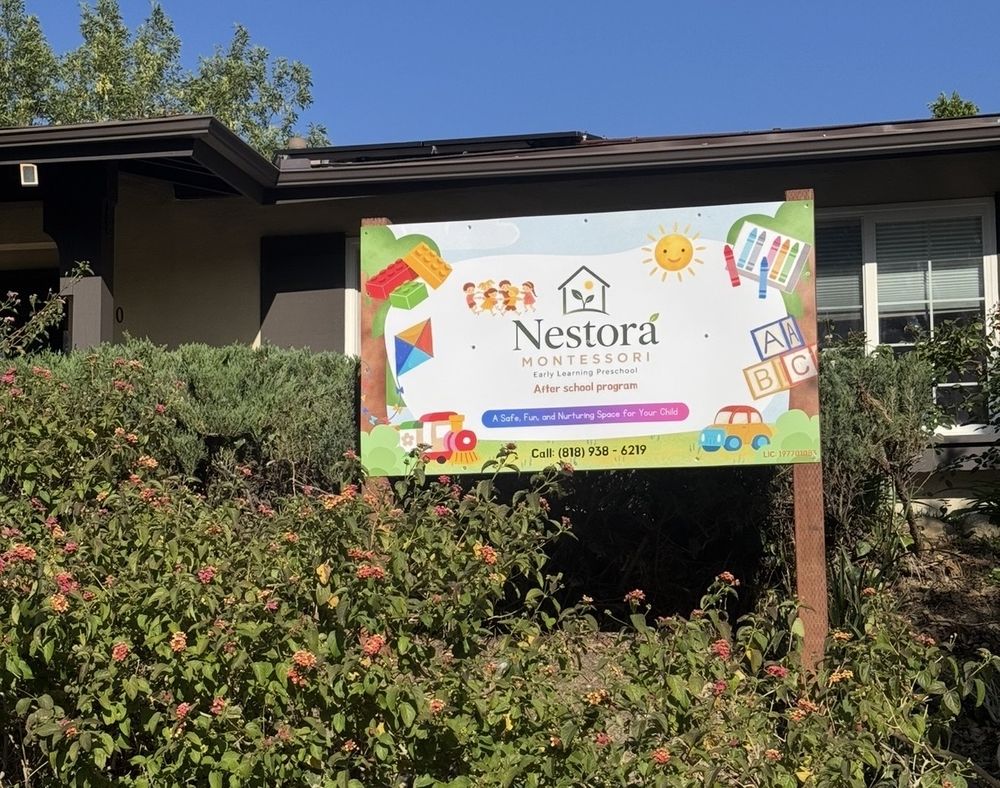
Programs like Nestora Montessori in Porter Ranch exemplify how dedicated early learning environments support children’s natural development through carefully prepared spaces and trained guides. Wherever you choose to enroll your child, prioritize environments where children are respected as capable individuals, where learning happens through meaningful activity, and where families are welcomed as partners in the educational journey. Your investment in finding the right preschool in Porter Ranch, CA pays dividends in your child’s confidence, skills, and readiness for the next stages of learning.
Frequently Asked Questions
What is the difference between daycare and preschool in Porter Ranch?
Daycare primarily focuses on providing safe supervision and basic care while parents work, often with flexible hours and age ranges from infants to school-age children. Preschool emphasizes structured early childhood education with curricula designed to promote developmental milestones in literacy, mathematics, social skills, and physical development. Many facilities blend both functions, offering extended care hours around a core educational program. The key distinction lies in the intentionality of learning experiences and the qualifications of staff.
How early should I start looking for preschool options in Porter Ranch?
Begin your search at least six to nine months before you need enrollment, especially for programs starting in the fall. High-quality preschools often maintain waiting lists and may fill spots a year in advance. Starting early gives you time to visit multiple schools, attend open houses, ask questions, and make an informed decision without pressure. Some families even register shortly after birth for particularly sought-after programs, though this is not always necessary.
What teacher-to-child ratio should I look for in a Porter Ranch preschool?
For preschool-age children (three to five years old), California licensing requires a maximum ratio of one teacher to twelve children, though many quality programs maintain smaller ratios. Look for programs with ratios closer to one teacher per eight to ten children, which allows for more individualized attention and responsive interactions. Smaller ratios enable teachers to notice and respond to each child’s needs, facilitate meaningful learning experiences, and maintain better supervision during activities.
Should my child attend preschool full-time or part-time?
This decision depends on your family’s needs, your child’s temperament, and your work schedule. Many children thrive in part-time programs that provide social interaction and learning without overwhelming young children who may tire easily. Full-time programs work well for families needing child care during work hours and for children who adapt easily to longer days. Consider starting with fewer days and gradually increasing attendance if your child adjusts well and seems eager for more time with peers and activities.
What questions should I ask during a preschool tour in Porter Ranch?
Ask about the educational philosophy and how it translates into daily practice, teacher qualifications and training, how the program handles discipline and challenging behaviors, typical daily schedules, and how they communicate with families. Inquire about staff turnover rates, emergency procedures, illness policies, and how they support children with different learning needs. Request information about the transition process for new students and how they prepare children for kindergarten. Observing a classroom in action often reveals more than scripted answers can provide.









Leave a comment