







Are you planning a renovation and unsure which green materials are worth it? You are not alone. Many homeowners want healthy finishes, lower bills, and lasting value. However, the choices can feel endless.
In this blog, we map the most impactful picks for 2025 renovations. Let’s explain each option, where it shines, and how to avoid costly mistakes. Moreover, we compare costs, certifications, and maintenance so your plan feels realistic. We also show quick wins for comfort and resale.
We highlight sustainable building materials 2025 that balance carbon, durability, and design. From low-VOC paints to reclaimed wood, you will also see how to pair performance with style and questions to ask suppliers and installers.
Why Sustainable Building Materials 2025 Matter
Renovations shape your home’s health, energy use, and long-term value. Yet many decisions happen under budget and time pressure. Therefore, it helps to focus on three drivers: embodied carbon, indoor air quality, and durability. Together, they determine comfort today and costs tomorrow.
First, embodied carbon reflects the emissions created before you even use the product. Lowering it reduces your project’s climate impact. In 2025, more makers publish Environmental Product Declarations, so comparing options is easier. In addition, cities and lenders increasingly reward low-carbon choices through incentives and scorecards.
Indoor air quality affects how you feel every day. Low—or zero-VOC paints, sealers, and adhesives reduce odors and off-gassing, making bedrooms and nurseries feel fresher faster. Moreover, formaldehyde-free composites cut common irritants in cabinets and built-ins.
Durability protects your budget. Moreover, materials that wear well require lower maintenance and replacement cycles, saving you money and reducing waste. Meanwhile, buyers notice calm acoustics, stable temperatures, and clean finishes. These comfort cues signal quality and can boost resale.
Finally, 2025 brings better supply chains, clearer labels, and smarter designs. Because of this, choosing sustainable building materials 2025 no longer means sacrificing style or strength. Instead, it means balancing cost, performance, and beauty with fewer trade-offs.
The Front-Runners: Materials Dominating 2025 Renovations
Before we dive into each profile, here’s a concise comparison. Use it to shortlist options, then read the detailed notes that follow.
| Material | Best Uses | Key Benefits | Watch Outs |
| Bamboo | Flooring, cabinets, panels | Rapidly renewable, hard, warm look | Moisture control, adhesive quality |
| Recycled Steel/Aluminum | Framing, roofing, soffits | Strength, fire resistance, and recyclable | Thermal bridging, added insulation |
| Engineered Timber (CLT/Glulam) | Additions, spans, features | Carbon storage, design flexibility | Moisture detailing, fire/acoustics |
| Cork & Linoleum | Kitchens, playrooms, offices | Comfort, acoustic control, natural binders | UV sensitivity, sealing schedule |
| Low-Carbon Cement/SCMs | Slabs, counters, hardscape | Reduced embodied carbon, durability | Mix design and curing |
| Reclaimed & salvaged | Doors, beams, brick, tile | Circularity, character, cost savings | Grading, finish safety |
Pro Tip: When comparing sustainable building materials 2025, ask vendors for EPDs and VOC test reports. You will quickly get apples-to-apples data.
Bamboo & Fast-Growing Woods
Bamboo shines in flooring, cabinetry, and wall panels. Because it grows quickly, it replenishes faster than hardwoods, supporting lower embodied carbon. Additionally, strand-woven bamboo can be very hard so high-traffic areas. The warm grain suits modern and traditional spaces alike.
However, moisture can cause movement. Therefore, plan acclimation time and maintain steady humidity. Also, pay attention to adhesives.
- Costs: Typically, mid-range, though premium finishes add price.
- Install notes: Allow acclimation, use underlayment for sound, and seal edges in wet-adjacent rooms.
- Maintenance: Sweep often; use mats at entries; reseal per finish schedule.
Recycled Steel & Aluminum
Recycled metal provides strength, precision, and excellent fire resistance. It also recycles well at the end of life, which supports circular design. Therefore, it suits frames, standing-seam roofs, soffits, and even accent walls. Metal roofs, in particular, offer long service life and reflect heat well.
Yet metals conduct heat. Consequently, frames and roofs need thermal breaks and continuous insulation. With proper detailing, you can keep interiors comfortable while reaping durability benefits.
- Costs: Higher up front than many alternatives, but long lifespan offsets this.
- Install notes: Coordinate insulation strategy, flashing, and ventilation.
- Maintenance: Low; clean debris; check fasteners and coatings over time.
- Ask for: Percent recycled content and EPDs showing embodied carbon.
Engineered Timber (CLT/Glulam)
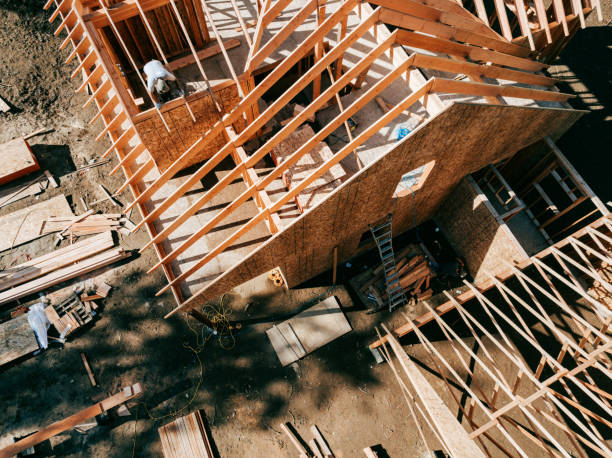
Engineered timber panels and beams enable airy spans and warm interiors. Because wood stores carbon, these systems can lower a project’s footprint. Moreover, factories deliver precise components that install quickly, which can reduce waste. Designers use CLT for additions, ceilings, stairs, and dramatic feature walls.
However, you must detail for moisture, acoustics, and fire performance. Seams, penetrations, and interfaces also need careful planning. Therefore, hire teams with experience in mass timber. Sourcing also matters.
- Costs: Vary by region, thickness, and finish grade; mid-to-high overall.
- Install notes: Protect panels from moisture during shipping and install.
- Maintenance: Minimal; monitor sealants and exposed edges; re-oil or finish as needed.
Cork & Linoleum
Cork and natural linoleum bring quiet, comfort, and color to active rooms. It feels soft underfoot and helps tame echo. Meanwhile, linoleum uses natural binders and pigments, which appeal to health-focused homes. Kitchens, playrooms, and home offices benefit from these calm surfaces.
Still, both need sensible care. Sunlight can fade color, so consider UV-resistant finishes and window shading. Moisture control is also vital at seams. Because of this, plan sealing schedules and use entry mats.
- Costs: Mid-range for materials; patterns and thickness affect price.
- Install notes: Ensure flat subfloors; use recommended adhesives; roll seams.
- Maintenance: Damp-mop with gentle cleaners; reseal per manufacturer guidance.
- Look for: Low-VOC certifications and ecolabels specific to natural linoleum.
Low-Carbon Cement & SCM Blends
Traditional cement is emissions-intensive due to clinker. Fortunately, 2025 offers mixes with supplementary cementitious materials (SCMs) like fly ash, slag, or calcined clays. These blends reduce embodied carbon while maintaining strength. As a result, slabs, countertops, and outdoor hardscapes can be both durable and lower-carbon.
However, the mix design and curing matter. Therefore, work with ready-mix suppliers who can show performance data and an EPD. Finishing expectations should match the mix; some blends are set differently. In addition, plan joints, drainage, and sealers to extend service life.
- Costs: Often comparable to conventional mixes; specialty blends can cost more.
- Install notes: Confirm slump, setting time, and finish schedule in advance.
- Maintenance: Seal as specified; clean gently; repair cracks early.
- Ask for: EPDs noting SCM percentages and compressive strengths.
Reclaimed & Salvaged Materials
Reclaimed wood, brick, tile, and fixtures add character and cut emissions. Because you reuse existing stock, you avoid new manufacturing. Costs can be favorable, and the patina is unmatched. In addition, salvage yards often carry unique sizes or profiles, which spark creative design.
Therefore, due diligence is essential. Grading confirms structural capacity, while finish testing checks for lead or other hazards. Thus, plan for remediation or refinishing when needed. Sourcing from reputable suppliers helps ensure provenance and quality.
- Costs: Range widely; structural timbers and rare tile can command premiums.
- Install notes: Verify dimensions and quantities; expect some waste for trimming.
- Maintenance: Similar to new equivalents; refinish with low-VOC products.
- Look for: Vendor documentation, grading stamps, and lead-safe certification for painted items.
Healthy Home Finishes
Finishes shape daily comfort and long-term health. They also influence odors, cleaning needs, and sheen. Therefore, focus on emissions, durability, and ease of upkeep. You will notice how small swaps create big gains in air quality.
Low-/Zero-VOC Paints & Sealers
Low- and zero-VOC coatings reduce off-gassing during and after painting. As a result, bedrooms and nurseries feel fresher faster. Moreover, modern formulas deliver strong coverage and stain resistance.
- Benefits: Cleaner indoor air, faster re-occupancy, and less odor.
- Application tips: Ventilate well and follow cure times.
- Labels to know: Greenguard, Green Seal, and explicit VOC g/L listings.
- Maintenance: Wash gently; avoid harsh solvents that degrade finishes.
Pro Tip: Primer choice matters—pair low-VOC primers with your paint system for best adhesion and odor control.
Natural Plaster & Limewash
Lime- and clay-based plasters breathe, which helps manage moisture. Consequently, walls feel drier and resist mildew. The matte texture softens light and hides minor surface flaws.
- Best uses: Feature walls, vaulted spaces, and humidity-prone rooms with good substrates.
- Watch outs: Substrate prep is critical. Poor prep causes cracking.
- Maintenance: Spot repair is straightforward; color variation is part of the charm.
Formaldehyde-Free Composite Woods
Cabinet boxes and shelving often drive VOC exposure. Therefore, choose formaldehyde-free plywood or particleboard.
- Benefits: Cleaner air in kitchens and offices.
- Specs to request: CARB2/TSCA Title VI compliance and EPDs.
- Edge details: Seal edges and use low-VOC adhesives.
Watch Out: Hardware can off-gas oils. Wipe with mild soap and ventilate cabinets before loading.
Insulation & Envelope Upgrades
A tight, well-insulated envelope boosts comfort and reduces bills. Additionally, it lowers equipment sizes, which can reduce costs. Start with air sealing, then dial insulation for climate and assembly.
Cellulose (Recycled)
Cellulose uses recycled newsprint treated for fire resistance. Furthermore, it dense-packs into cavities, which reduces air movement.
- Benefits: High recycled content and strong acoustic control.
- Best uses: Attics, walls, and irregular cavities.
- Install notes: Aim for proper density to prevent settling.
- Maintenance: Verify ventilation paths and baffles in attics.
Wood Fiberboard & Cork Insulation
Wood fiberboard adds thermal and acoustic performance with vapor-friendly behavior. Meanwhile, cork boards offer resilience and bio-based content. Ask, “Which sustainable building materials 2025 fit my climate, budget, and schedule?”
- Benefits: Continuous exterior insulation improves comfort and durability.
- Best uses: Over sheathing, behind siding, and interior retrofits.
- Watch outs: Protect edges from bulk water during install.
- Detailing: Use proper WRB, flashing, and ventilated rainscreens.
Mineral Wool
Mineral wool resists fire and moisture while damping sound. Therefore, it is suitable for basements, theaters, and exterior walls.
- Benefits: Noncombustible and dimensionally stable.
- Cutting tips: Use a serrated knife or insulation saw.
- Install notes: Fit snugly without compression to maintain R-value.
High-Performance Windows & Air Sealing
Windows and penetrations leak the most energy. Consequently, focus on sealing first, then glazing.
- Glazing basics: Match U-factor and SHGC to your climate.
- Air sealing: Use gaskets, tapes, and sealants that stay flexible.
- Testing: A blower-door test finds hidden leaks quickly.
- Payback: Comfort gains appear immediately, even before energy savings.
Pro Tip: Air sealing plus modest insulation often beats insulation alone. Tackle gaps, then add R-value.
Kitchens & Baths: High-Impact, High-Value
Kitchens and baths drive daily satisfaction and resale. They also host moisture, heat, and heavy wear. Therefore, choose materials that balance strength, hygiene, and emissions.
Countertops: Recycled Glass, Paper Composite, Low-Carbon Concrete
These surfaces offer strong looks with lower-impact options.
- Recycled glass: Durable and eye-catching; seal to resist stains.
- Paper composite: Warm, matte finish; refinish able; avoid prolonged heat.
- Low-carbon concrete: Tough and customizable; specify SCM blends and a sealer schedule.
Selection tips:
- Match edge profiles to cleaning habits and safety.
- Confirm heat and stain tolerances with the fabricator.
- Request EPDs for an apples-to-apples comparison.
Cabinets: FSC Wood, Formaldehyde-Free Plywood, Bamboo
Boxes and faces define the room’s look and emissions.
- FSC hardwoods: Classic durability and verified sourcing.
- Formaldehyde-free plywood: Cleaner air, stable panels.
- Bamboo: Fast-growing and hard; verify adhesive quality.
Practical notes:
- Consider refacing to save budget and waste.
- Choose soft-close hardware and solid drawer boxes.
- Seal cut edges and finishes with low-VOC products.
Fixtures & Water Efficiency
WaterSense fixtures reduce consumption without sacrificing comfort.
- Faucets and showers: Aerators and pressure-balanced valves save water.
- Toilets: Dual-flush models cut usage.
- Leak prevention: Add shutoff valves and smart monitors for peace of mind.
Budget Note: Saving water lowers sewer fees in many cities. The upgrade pays back while protecting finishes from hidden leaks.
Exterior Upgrades for Curb Appeal & Longevity
Exteriors take the brunt of the weather, sun, and pests. Consequently, durability, detailing, and drainage rule. Choose finishes that last and assemblies that dry.
Metal Roofing with High Recycled Content
Standing-seam metal roofs shed water and snow efficiently. They also reflect heat and can integrate solar easily.
- Benefits: Long lifespan, fire resistance, and potential insurance perks.
- Install notes: Ventilate attics and plan snow guards where needed.
- Maintenance: Inspect fasteners and sealants; keep valleys clear.
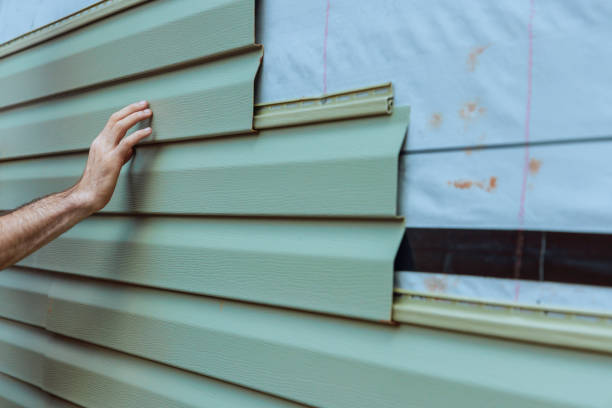
Fiber-Cement & Modified Wood Siding
These claddings balance appearance and durability.
- Fiber-cement: Stable, fire-resistant, and paint-holding.
- Modified wood: Heat- or acetylated treatments boost rot resistance.
- Detailing: Use back-primed cuts and ventilated rainscreens for longevity.
Permeable Pavers & Rain Gardens
Site water management protects foundations and landscaping.
- Permeable pavers: Reduce runoff and ease freeze-thaw stress.
- Rain gardens: Slow stormwater and support native planting.
- Maintenance: Sweep joints and refresh aggregate as needed.
Because exterior choices often set the project’s tone, confirm they align with your interior priorities. In this way, your curb appeal also supports health and performance. This holistic approach keeps sustainable building materials 2025 front and center while protecting your budget and schedule.
Budget, Payback & Decision Framework
Budgets shape every renovation. However, smart sequencing and realistic comparisons protect quality and comfort. Therefore, consider both upfront and lifetime costs before you commit.
Think in total cost of ownership. Purchase price, installation, maintenance, energy use, and end-of-life all matter. For instance, metal roofing may cost more today, yet it lasts decades with minimal upkeep. Similarly, mineral wool can trim HVAC loads, which reduces monthly bills. Consequently, pricier options often pay back through durability, efficiency, and fewer replacements.
Map incentives and financing. In 2025, many utilities and municipalities will offer rebates for envelope upgrades, low-flow fixtures, and high-performance windows. Moreover, green loans may reward low embodied carbon or verified EPDs. Ask contractors to flag eligible items on bids so you do not miss savings.
Right-size the scope. Start where comfort and risk intersect: air sealing, attic insulation, moisture control, and durable surfaces in kitchens and baths. Meanwhile, schedule disruptive work together to reduce labor mobilization costs.
Decision checklist
- Climate and exposure: wind, rain, freeze-thaw, wildfire risk.
- Room priority: daily use, resale impact, and moisture levels.
- DIY capacity: what you can install or prep safely.
- Maintenance appetite: refinish cycles, sealing schedules, and cleaning.
- Warranty/EPD/VOC docs: proof beats promise.
Because clarity breeds confidence, keep the exact phrase handy when comparing options. Then verify with data and documentation. Finally, when bids look similar, choose the team that communicates clearly and shows third-party certifications—this ensures your sustainable building materials 2025 perform as promised.
Room-by-Room Mini Guide
Every room has different stresses. Consequently, tailoring materials by space prevents regrets and extends lifespan.
Kitchen
- Surfaces: Low-carbon concrete or recycled glass countertops; FSC or formaldehyde-free cabinets.
- Floors: Cork, linoleum, or strand-woven bamboo for comfort and cleanability.
- Ventilation: Quiet, ducted hoods reduce grease and moisture; make-up air for large ranges.
Bath
- Walls: Lime or mineral plasters that breathe; tile with recycled content.
- Floors: Slip-resistant finishes; sealed grout or resinous alternatives.
- Fixtures: WaterSense showers and faucets; smart leak sensors under sinks.
Living Areas
- Floors: Bamboo, cork, or reclaimed hardwood with low-VOC finishes.
- Walls: Low-/zero-VOC paints; acoustic rugs and curtains for calm.
- Windows: Air sealing plus insulated shades for comfort.
Bedrooms
- Air quality: Low-VOC paints and sealers; formaldehyde-free furniture and shelving.
- Comfort: Acoustic underlayment under floors; blackout + insulated drapes.
- Allergens: Smooth, easy-clean surfaces and high-MERV filtration.
Basement/Garage
- Moisture-first: Mineral wool, vapor-aware assemblies, and durable, washable finishes.
- Floors: Permeable or sealed surfaces that tolerate wet boots and spills.
- Storage: Metal shelving and sealed cabinets to resist humidity.
Common Problems & How to Avoid Them
Sustainability succeeds in the details; small misses can undermine great materials. Therefore, anticipate these issues early.
- Assuming “green” equals low-VOC. Labels vary. Request VOC data sheets and certifications.
- Skipping air sealing. Insulation without air control underperforms. Seal first, then add R-value.
- Ignoring moisture. Manage bulk water, vapor, and drying paths; use rainscreens and flashing.
- Overlooking compatibility. Some finishes dislike certain primers or substrates. Test small areas.
- Underestimating maintenance. Plan reseal/recoat cycles and store touch-up materials.
- Not planning end-of-life. Choose products with recyclability or take-back programs to reduce waste.
FAQs
1) What are the most budget-friendly sustainable picks?
Cellulose insulation, low-/zero-VOC paints, cork or linoleum flooring, and refacing cabinets instead of replacing. These moves deliver comfort and air quality gains with modest spend.
2) Do eco-friendly materials last as long as conventional ones?
Often yes—or longer—when installed correctly. Metal roofing, mineral wool, and engineered timber offer robust lifespans. Maintenance planning still matters.
3) How do I lower embodied carbon in a kitchen remodel?
Choose FSC wood, formaldehyde-free plywood, recycled-content surfaces, and low-carbon concrete mixes with SCMs. Reuse boxes or doors when possible and specify EPD-backed products.
4) Can I DIY insulation safely?
Cellulose and mineral wool are approachable with proper PPE and technique. Nevertheless, dense-pack and exterior continuous insulation are best for pros due to detailing and moisture control.
Conclusion
Healthy, durable upgrades now align with style and savings. Because supply chains, labels, and incentives have matured, you can choose confidently without guesswork. Throughout this guide, we compared carbon, air quality, and longevity so you can focus on comfort and value. Moreover, you learned how to match assemblies to climate, schedule maintenance, and verify claims with third-party documentation.
As you shortlist options, remember: quieter rooms, cleaner air, stable temperatures, and fewer weekend repairs. With that lens, you can quickly identify which sustainable building materials 2025 deliver the strongest results for your home and budget. Finally, list your top three upgrades, request two comparable bids, and start with the biggest comfort win. Your renovation will feel better on day one—and for many years after.










Leave a comment