






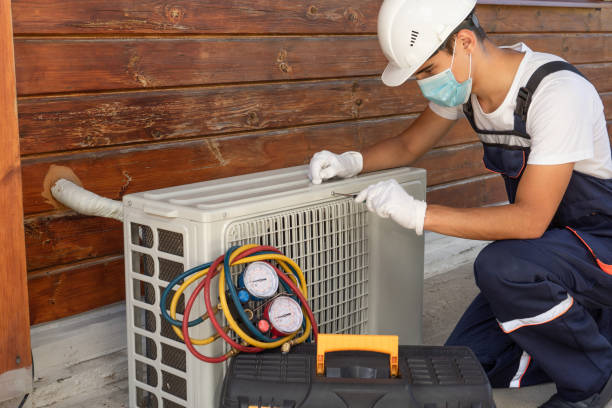
Every homeowner in the Bronx eventually faces the same difficult question: is it time to repair your aging air conditioner, or should you invest in a complete replacement? With summer temperatures pushing into the 90s and humidity making everything feel worse, a failing AC system isn’t just uncomfortable, it’s potentially dangerous for vulnerable family members. Making the wrong choice can cost you thousands in wasted repairs or premature replacement.
Understanding when repair makes sense and when replacement is the smarter financial decision requires looking at several factors beyond just the immediate problem. Working with a qualified HVAC contractor in Bronx, NY gives you expert guidance, but knowing the basics helps you make informed decisions about your home comfort system. This guide walks through the key considerations that determine whether your air conditioning unit deserves another repair or if it’s time to move on.
The Age Factor: How Old Is Too Old?
Air conditioning systems have a realistic lifespan of 15 to 20 years when properly maintained. Once your unit crosses the 12-year mark, you enter a gray area where repairs become less predictable. A well-maintained system might run efficiently for two decades, while a neglected one might struggle after just ten years. Age alone doesn’t dictate replacement, but it heavily influences the repair-versus-replace calculation.
When evaluating an older system, consider the 5,000-dollar rule many professionals use: multiply the repair cost by the age of your unit. If the result exceeds 5,000, replacement usually makes better financial sense. For example, a 600-dollar repair on a 7-year-old system equals 4,200, suggesting repair is reasonable. That same repair on a 14-year-old unit equals 8,400, pointing toward replacement. This formula isn’t perfect, but it provides a useful starting framework.
Systems manufactured before 2010 use R-22 refrigerant, which is being phased out completely. Air conditioning repair service in Bronx, NY has become significantly more expensive for these older units because R-22 now costs ten times what it did five years ago. If your system needs refrigerant and uses R-22, replacement with a modern, more efficient unit almost always makes better long-term sense.
Repair Costs and Frequency: Recognizing the Pattern
Single Major Repairs
One significant repair on an otherwise reliable system rarely justifies replacement. Compressor failure, the most expensive single repair, typically costs between 1,200 and 2,800 dollars depending on your system size. If your 8-year-old unit needs a compressor but has been trouble-free otherwise, repair makes sense. You’re likely to get another 7 to 10 years from that investment.
Evaporator coil replacement runs 1,000 to 2,000 dollars, while condenser coil issues cost slightly less. These repairs on younger systems with good maintenance histories represent worthwhile investments. However, when multiple major components fail within a year or two of each other, you’re looking at a system in overall decline.
Recurring Problems and Multiple Repairs
Calling for air conditioning repair service in Bronx, NY multiple times each cooling season signals deeper problems. When you’re paying for repairs every few months, even if individual costs seem manageable, the total annual expense adds up quickly. Track your repair spending over the past two to three years. If you’ve spent more than half the cost of a new system on repairs, you’re throwing money into a losing proposition.
Recurring issues with the same component suggest either poor initial repairs or systemic problems causing repeated failure. A capacitor failing twice in one season might indicate electrical issues throughout the system. Short cycling, uneven cooling, or persistent refrigerant leaks often point to problems that repairs can’t truly solve.
Energy Efficiency and Monthly Operating Costs
Older air conditioners consume significantly more electricity than modern units. A 15-year-old system with a SEER rating of 10 uses roughly twice the electricity of a current 20 SEER model to produce the same cooling. In the Bronx, where air conditioning runs from May through September and sometimes into October, that efficiency gap translates to real money every month.
Calculate your potential savings by comparing your current electric bills during cooling months with estimated bills using a high-efficiency replacement. Many homeowners see monthly savings of 30 to 50 percent on cooling costs alone. Over a 15-year lifespan, these savings often exceed the replacement cost, making a new system essentially pay for itself while delivering better comfort.
Rising energy bills even when your usage patterns haven’t changed indicate declining system efficiency. When an HVAC contractor in Bronx, NY performs HVAC system repair and maintenance in Bronx, NY, they can measure your system’s actual efficiency and compare it to its original rating. A significant drop suggests internal wear that cleaning and minor repairs won’t fix.
Comfort Issues That Signal Bigger Problems
Some rooms staying warmer than others, humidity problems, or an inability to reach your thermostat setting indicate system capacity issues. As air conditioners age, they lose cooling capacity even when all components technically function. A system sized correctly when installed might provide only 70 to 80 percent of its original capacity after 15 years of wear.
Adding insulation, sealing ducts, and improving ventilation help with minor comfort problems, but they can’t compensate for a fundamentally undersized or worn-out cooling system. If HVAC system repair and maintenance in Bronx, NY hasn’t resolved your comfort complaints, and your system is over ten years old, inadequate capacity likely requires replacement rather than more repairs.
Excessive noise represents another comfort issue pointing toward replacement. Aging compressors, worn fan motors, and deteriorating internal components create grinding, squealing, or rattling sounds that repairs might quiet temporarily but rarely eliminate permanently. A new system runs dramatically quieter, improving your quality of life beyond just temperature control.
The Role of Regular Maintenance in Your Decision
Systems receiving annual professional maintenance consistently outlast neglected ones by five years or more. If your current unit has been properly maintained throughout its life, stretching its service life with reasonable repairs makes sense. Well-maintained systems also give clearer signals when they truly reach end-of-life, rather than failing prematurely from preventable issues.
Conversely, if you’re considering expensive repairs on a system that’s never had regular maintenance, the smart move often involves replacement combined with a commitment to proper care going forward. Years of neglect create hidden damage and wear that even skilled technicians can’t fully assess without invasive inspection. You might repair the immediate problem only to have another major component fail months later.
When evaluating repair quotes, ask your contractor about the overall condition observed during service calls. Corroded electrical connections, refrigerant line deterioration, compressor wear indicators, and blower motor condition all factor into whether repair represents a good investment or just postponing the inevitable.
Financial Considerations Beyond the Sticker Price
New air conditioning installations involve significant upfront costs, typically ranging from 4,000 to 8,000 dollars for residential systems depending on size and efficiency level. That price seems daunting compared to a 500-dollar repair bill, but looking only at immediate costs misses the bigger financial picture.
Factor in projected repair costs over the next five years for your aging system. Add the extra energy costs from lower efficiency. Include the risk of emergency breakdown on the hottest day of summer when emergency service rates apply and you might wait days for parts. Compare that total against the cost of replacement plus energy savings, potential rebates, and manufacturer warranties covering repairs for five to ten years.
Many financing options make replacement more accessible than homeowners realize. Monthly payments on a new high-efficiency system sometimes equal or barely exceed current combined costs of elevated energy bills plus budgeting for repairs. You get better comfort, lower risk of breakdown, and fixed costs instead of unpredictable repair expenses.
Final Thoughts on Making Your Decision
Deciding between air conditioning repair and replacement requires balancing multiple factors specific to your situation. Age, repair history, efficiency, comfort performance, and total cost of ownership all play roles. Trust your instincts when a system feels like it’s constantly struggling. Multiple service calls, rising energy bills, and declining comfort usually signal that replacement delivers better value than continued repairs.
Working with an experienced local provider helps tremendously. Companies like Severino & Co. Mechanical LLC can assess your specific system, explain realistic repair-versus-replace scenarios without pressure, and help you understand what makes sense for your home and budget. The right partner makes this important decision clearer and ensures whatever path you choose gets handled professionally.
Frequently Asked Questions
How long should a well-maintained air conditioner last in the Bronx climate?
With annual professional maintenance and prompt attention to minor issues, most quality air conditioning systems last 15 to 20 years in the Bronx. The moderate cooling season compared to southern climates actually helps systems last longer here. Heavy usage during heat waves and high humidity can accelerate wear, but proper maintenance significantly extends lifespan regardless of climate factors.
What repairs are worth doing on an air conditioner older than 15 years?
On systems over 15 years old, only minor repairs under 300 dollars generally make financial sense unless you’re planning replacement within the next year anyway. Capacitor replacement, thermostat issues, and simple electrical fixes are reasonable. Avoid investing in compressor replacement, coil repairs, or refrigerant system work on systems this old. The money goes further toward a new, efficient system.
Can I replace just the outdoor unit and keep my existing indoor components?
While technically possible in some cases, mixing old and new components typically voids warranties and reduces efficiency. Modern outdoor units are engineered to work with specific indoor coils for optimal performance and efficiency ratings. Mismatched systems often underperform and experience reliability problems. Complete system replacement, though more expensive upfront, delivers better long-term results and proper warranty coverage.
How much money can a high-efficiency air conditioner save on electric bills?
Replacing a 10 SEER system with a 16 SEER model typically reduces cooling costs by 35 to 40 percent. Moving to a 20 SEER system can cut costs nearly in half. For a Bronx household spending 150 dollars monthly on cooling during summer, upgrading to high efficiency might save 50 to 75 dollars per month, adding up to 300 to 450 dollars annually over a typical cooling season.
What should I do if my air conditioner breaks down in the middle of a heat wave?
First, ensure vulnerable family members stay cool using fans, cool baths, and spending time in air-conditioned public spaces if needed. Contact your HVAC contractor immediately, as heat waves create service backlogs. If your system is old and the diagnosis reveals expensive repairs, consider emergency replacement rather than repair. Many contractors can install new systems within a day or two, sometimes faster than sourcing parts for complex repairs on older units.









Leave a comment