






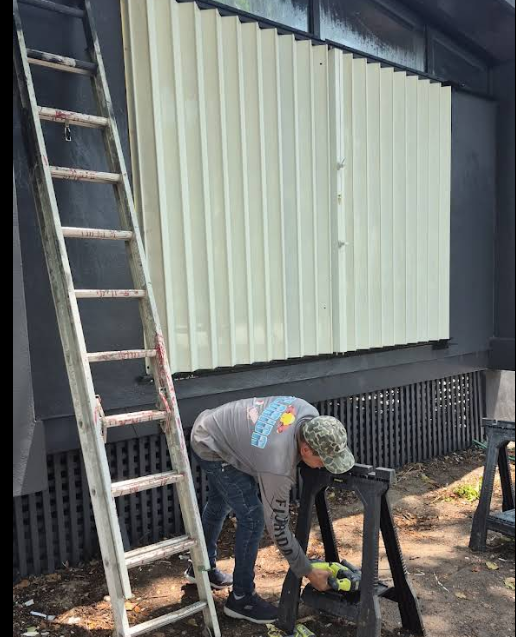
Living in Hialeah means accepting that hurricane season is a fact of life. Your storm shutters are the first line of defense protecting your home and family when severe weather strikes. But what happens when those shutters show signs of wear, refuse to close properly, or become damaged after a storm? Understanding when your shutters need repair versus complete replacement can save you money, time, and stress when the next hurricane warning is issued.
Many homeowners put off addressing shutter problems until it’s too late, only to discover their protection system has failed when they need it most. Whether you’re dealing with corroded tracks, bent louvers, or a complete mechanical failure, knowing what to look for and when to take action is essential. This guide walks you through the common issues affecting storm shutters in South Florida, how to determine if repair or replacement is the right choice, and what the process involves when you need professional window installation service in Hialeah, FL.
Common Storm Shutter Problems That Require Attention
Storm shutters face unique challenges in the Hialeah climate. Salt air, intense UV exposure, heavy rains, and the occasional hurricane all take their toll. Recognizing problems early often means the difference between a simple storm shutter repair service in Hialeah, FL, and a complete system overhaul.
The most common issue homeowners encounter is operational difficulty. Roll-down shutters that stick, accordion shutters that won’t fold properly, or Bahama shutters with seized hinges all indicate underlying problems. These issues typically stem from corrosion in the tracks, accumulated dirt and debris, or deteriorated mechanical components. Left unaddressed, a shutter that’s difficult to operate today may become completely inoperable when you need it most.
Physical damage is another frequent concern. After a storm passes, inspect your shutters for bent slats, cracked panels, or separated sections. Even minor damage can compromise the entire system’s integrity. A single bent louver might not seem significant, but it can prevent proper closure and create a weak point where wind and water penetrate. Dents in aluminum panels, cracks in polycarbonate materials, or warped sections all require professional evaluation.
Corrosion represents a progressive threat that worsens over time. South Florida’s salty, humid environment accelerates rust formation on metal components. You might notice orange or white powdery deposits on tracks, hinges, or fasteners. While surface rust might be treatable, deep corrosion that affects structural integrity usually signals the need for hurricane shutter replacement in Hialeah, FL. Components weakened by rust cannot provide the protection your home requires during a major storm.
Evaluating Repair Versus Replacement: Making the Right Choice
Deciding between repair and replacement involves weighing several factors. Age is the starting point. Most quality storm shutters have a lifespan of 15 to 25 years with proper maintenance. If your shutters are within this range and experiencing isolated problems, a storm shutter repair service in Hialeah, FL, is likely the cost-effective solution. Shutters approaching or exceeding their expected lifespan with multiple issues often make replacement the smarter long-term investment.
The extent of damage matters significantly. A single broken component, such as a motor on a motorized system or a damaged section of an accordion shutter, can usually be repaired without replacing the entire system. However, widespread damage affecting multiple panels, extensive corrosion throughout the track system, or structural failures in mounting hardware typically point toward replacement. Consider that repeatedly repairing an aging system often costs more over time than investing in new shutters.
Cost Considerations and Long-Term Value
When repair costs approach 50 percent or more of replacement costs, replacement usually makes better financial sense. New shutters come with warranties, updated features, and materials designed to withstand current building codes. Additionally, if your home has outdated shutters installed before recent code updates, hurricane shutter replacement in Hialeah, FL, ensures your protection meets modern standards. Insurance considerations also come into play, as some policies offer better rates for homes with newer, code-compliant storm protection systems.
Performance and Functionality Improvements
Replacement offers opportunities to upgrade functionality. Older manual systems can be replaced with motorized versions for easier operation. Heavy, cumbersome shutters can be swapped for lighter, more manageable options. If your current shutters are difficult to deploy, replacement with a more user-friendly system means you’re more likely to actually use them when storms threaten. The best storm protection is the kind you’ll actually deploy.
What Professional Storm Shutter Repair Involves
Professional repair begins with a thorough inspection. A qualified technician examines all components: tracks, slats or panels, hinges, locks, motors (if applicable), and mounting hardware. They test operation under various conditions and assess structural integrity. This comprehensive evaluation identifies all issues, not just the obvious ones you’ve noticed.
Common repairs include replacing damaged slats or panels, lubricating and adjusting tracks, replacing worn hardware, fixing or replacing motors and control systems, and addressing minor corrosion. Track realignment is often necessary, especially after impact damage or settling in the building structure. Proper repair also includes testing the system under load to ensure it will function correctly during actual storm conditions.
For accordion-style shutters, repairs might focus on replacing worn wheels and tracks, fixing locking mechanisms, or replacing entire damaged panels while preserving the functional portions. Roll-down shutters often need motor repairs or replacement, belt or chain adjustments, and slat realignment. Colonial and Bahama shutters typically require hinge repair, panel straightening, or hardware replacement. Each shutter type has its own maintenance needs and common failure points.
The Hurricane Shutter Replacement Process
When replacement becomes necessary, understanding the process helps you prepare. It starts with choosing the right shutter type for your needs. Options include roll-down shutters, accordion shutters, colonial shutters, Bahama shutters, and storm panels. Each offers different benefits in terms of protection level, ease of use, aesthetics, and cost. Your choice depends on your budget, how quickly you need to deploy protection, and your home’s architectural style.
Professional installation begins with precise measurements. Even small measurement errors can result in gaps that compromise protection. The installer prepares mounting surfaces, ensuring they can support the shutter system’s weight and withstand the forces it will encounter during a storm. This sometimes requires reinforcing window and door frames or the surrounding structure.
Installation involves securely mounting tracks or hinges, installing the shutter panels or slats, connecting any motorized components, and testing the complete system. For window installation service in Hialeah, FL, that includes storm shutters, the work must comply with local building codes and permitting requirements. Proper installation is critical because even the highest-quality shutters will fail if not correctly mounted.
Maintenance Tips to Extend Shutter Life
Preventive maintenance significantly extends shutter lifespan and reduces the need for emergency repairs. Create a maintenance schedule and stick to it. At minimum, inspect and service your shutters twice annually, ideally before and after hurricane season.
Regular cleaning prevents many common problems. Wash shutters with mild soap and water to remove salt, dirt, and debris. Pay special attention to tracks and moving parts where buildup causes operational issues. After cleaning, apply appropriate lubricant to hinges, tracks, and moving components. Use products designed for the marine environment that resist salt corrosion.
Test your shutters regularly, not just when a storm approaches. Deploy and retract them completely at least once every few months. This keeps mechanisms limber, helps you identify developing problems, and ensures you remember how to operate them. During testing, listen for unusual sounds, feel for resistance or binding, and watch for misalignment. These early warning signs let you address minor issues through storm shutter repair service in Hialeah, FL, before they become major failures.
Inspect mounting hardware and fasteners for signs of loosening or corrosion. Tighten any loose screws or bolts, and replace corroded fasteners immediately. Check seals and weatherstripping, replacing them when they become brittle or damaged. These small components play important roles in keeping water out during storms.
Final Thoughts on Storm Shutter Care
Your storm shutters are a critical investment in your home’s protection and your family’s safety. Whether you need minor repairs or complete hurricane shutter replacement in Hialeah, FL, addressing problems promptly ensures your home is ready when the next storm forms. Don’t wait until a hurricane is bearing down on South Florida to discover your shutters won’t close or have developed dangerous weaknesses. Regular inspections, prompt repairs, and knowing when replacement makes sense are all part of responsible homeownership in our region.
If you’re unsure about the condition of your storm protection system, professional assessment provides peace of mind. Local experts like Hurricane Shutters Maintenance and Repairs LLC can evaluate your current shutters, recommend repair or replacement based on their condition, and ensure your home is properly protected. Taking action now means one less thing to worry about when storm watches are issued and preparation time is limited.
Frequently Asked Questions
How often should I have my storm shutters professionally inspected?
You should have storm shutters professionally inspected at least once every two to three years, even if they seem to be working fine. However, if your shutters are more than ten years old, subjected to a recent storm, or showing any signs of difficulty in operation, annual inspections are wise. Many homeowners schedule inspections in April or May, before hurricane season begins, giving time to address any issues discovered.
Can I repair storm shutters myself or should I always hire a professional?
Basic maintenance like cleaning, lubricating tracks, and tightening visible hardware can be done yourself. However, repairs involving structural components, motorized systems, damaged panels, or track realignment should be handled by professionals. Storm shutters are life-safety equipment, and improper repairs can fail when you need them most. If you’re uncertain about a repair’s complexity, professional assessment is the safer choice.
What are the warning signs that my shutters need immediate attention?
Immediate red flags include shutters that won’t fully close or lock, visible cracks or breaks in panels, severe corrosion that flakes away when touched, loud grinding or scraping sounds during operation, and shutters that fall or sag when deployed. Any of these issues compromise your protection and require prompt professional evaluation. Additionally, if shutters were damaged during a storm, have them inspected before the next storm season even if they appear functional.
How long does hurricane shutter replacement typically take?
Replacement timing varies based on shutter type and the number of windows and doors being covered. A typical single-family home might take two to four days for complete replacement, though this can extend for larger homes or complex installations. Custom shutters require additional manufacturing time before installation begins. It’s best to plan replacement projects during the off-season rather than waiting until hurricane season when contractors are busy and materials may face supply delays.
Will new storm shutters increase my home’s value or reduce insurance costs?
New, code-compliant storm shutters can positively impact both property value and insurance costs. Many insurance companies offer premium discounts for homes with approved storm protection systems, particularly if they meet current Florida Building Code requirements. The exact discount varies by insurer and policy, but homeowners often see reductions of five to fifteen percent on wind coverage. Additionally, homes with quality storm protection appeal to buyers in hurricane-prone areas, potentially increasing resale value and marketability.









Leave a comment