






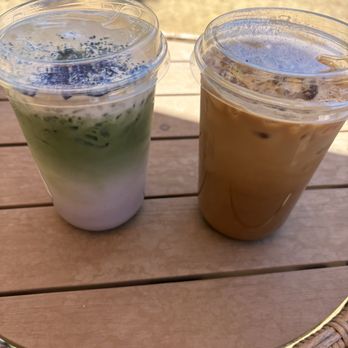
When summer heat rolls through northern Utah or you simply crave a refreshing pick-me-up any time of year, nothing quite hits the spot like a perfectly crafted iced coffee. Kaysville residents know the value of a good local coffee shop, especially one that understands the art of cold brewing and espresso craft. Whether you’re rushing to work along Highway 89 or meeting friends after exploring the nearby trails, finding a coffee shop in Kaysville, UT that excels in both iced beverages and espresso-based drinks can transform your daily routine.
The difference between a mediocre iced coffee and an exceptional one often comes down to preparation method, bean quality, and the barista’s understanding of flavor extraction. Similarly, a skilled espresso bar can turn your morning cup into something memorable rather than merely functional. This guide explores what makes an outstanding coffee destination, helping you understand what to look for when searching for quality caffeine in Kaysville.
What Sets Great Iced Coffee Apart
Not all iced coffee is created equal. The biggest mistake many coffee shops make is simply pouring hot-brewed coffee over ice, which creates a watered-down, bitter drink as the ice melts. Quality establishments offering iced coffee in Kaysville typically use one of several superior methods. Cold brew involves steeping coarsely ground coffee in cold water for 12 to 24 hours, producing a smooth, naturally sweet concentrate with lower acidity. This method highlights chocolate and caramel notes while minimizing the harsh flavors that hot brewing can extract.
Another approach is the Japanese iced coffee method, where coffee is brewed hot directly onto ice in carefully calculated ratios. This technique preserves the bright, complex flavors of the beans while cooling instantly. Flash-chilled espresso over ice creates yet another variation, offering concentrated flavor with the characteristic espresso body. When you visit an iced coffee shop in Kaysville, UT, ask about their preparation method. A shop willing to explain their process typically takes pride in their craft and produces better results.
Customization Options That Matter
Beyond the base preparation, customization options reveal a coffee shop’s versatility. Quality establishments offer various milk alternatives including oat, almond, and coconut milk, each pairing differently with coffee’s flavor profile. Oat milk creates creamy texture without overwhelming the coffee, while almond milk offers lighter sweetness. Flavoring options should enhance rather than mask the coffee, with house-made syrups indicating serious attention to quality. Vanilla, caramel, and seasonal options work well when balanced properly, but the coffee itself should remain the star.
Evaluating an Espresso Bar’s Quality
An exceptional espresso bar in Kaysville, UT demonstrates expertise through several observable factors. First, watch the equipment. Commercial espresso machines with proper pressure control and temperature stability are essential. The grinder matters even more than the machine, as fresh grinding immediately before extraction preserves volatile flavor compounds. Burr grinders with stepless adjustment allow baristas to dial in the perfect grind size for current humidity and bean conditions.
Bean freshness determines the quality ceiling no technique can overcome. Espresso tastes best within three to four weeks of roasting, with flavors evolving throughout that window. Coffee shops serious about espresso display roast dates on their bags and rotate stock regularly. The beans should have a subtle sheen from natural oils without appearing overly greasy, and when ground, they should release aromatic complexity rather than flat or papery notes.
Shot Quality and Consistency
A properly pulled espresso shot takes 25 to 30 seconds to extract approximately two ounces of liquid. The result should have three distinct layers: a rich crema on top, a caramel-colored body, and deeper tones at the bottom. The taste balances sweetness, acidity, and slight bitterness without any single element dominating. Consistency matters tremendously. The same drink should taste nearly identical whether you order Tuesday morning or Saturday afternoon, indicating trained staff and proper protocols.
When evaluating an espresso bar, try a straight shot or Americano before moving to milk-based drinks. This reveals the coffee’s actual quality without sweetness or cream masking flaws. A skilled barista can explain the beans’ origin, roast profile, and tasting notes. They should also be willing to remake a drink if it doesn’t meet standards, another sign of commitment to excellence.
Milk-Based Espresso Drinks Done Right
Lattes, cappuccinos, and other milk-based drinks require different skills beyond espresso extraction. Proper milk steaming creates microfoam with tiny, uniform bubbles that integrate smoothly rather than separating into foam and liquid. The milk should reach 150 to 155 degrees Fahrenheit, hot enough to sweeten the lactose without scalding proteins that create burnt flavors. When poured correctly, the milk and espresso marry into a harmonious whole where neither dominates.
Cappuccinos traditionally feature equal parts espresso, steamed milk, and foam, creating a drier, more coffee-forward drink than lattes. A true cappuccino in a quality espresso bar in Kaysville should arrive in a six-ounce cup, not the oversized bowls many chains serve. Lattes contain more steamed milk with just a thin layer of foam, making them creamier and milder. Flat whites split the difference with less milk than a latte but more than a cappuccino, highlighting espresso intensity through velvety microfoam.
Seasonal Variations and Menu Creativity
While classic drinks demonstrate fundamental skill, seasonal offerings show creativity and responsiveness to customer preferences. Summer menus at an iced coffee shop in Kaysville, UT might feature cold foam variations, nitro cold brew, or fruit-infused iced coffees that provide refreshing alternatives to standard offerings. Winter brings opportunities for spiced lattes, darker roasts, and warming flavor combinations that complement Utah’s snowy months.
Rotating single-origin espresso options indicate a coffee shop’s dedication to variety and education. Different growing regions produce distinct flavor profiles. Ethiopian beans might offer blueberry and floral notes, while Colombian coffee brings balanced caramel and nut flavors. Brazilian beans often feature chocolate and lower acidity. A shop that sources and features these varieties helps customers develop their palates while supporting diverse farming communities.
Beyond the Cup: Atmosphere and Service
The complete coffee shop experience extends beyond beverage quality. Comfortable seating arrangements accommodate both focused work sessions and social gatherings. Reliable WiFi has become essential for remote workers and students. Natural lighting, thoughtful acoustics, and local artwork create welcoming environments where customers want to linger. Outstanding coffee shops in Kaysville balance functionality with warmth, providing spaces that feel equally appropriate for a quick morning grab-and-go or an afternoon spent working on a laptop.
Service quality makes or breaks the experience regardless of how skilled the baristas are technically. Friendly, knowledgeable staff who remember regular customers create community feeling that keeps people returning. They should answer questions about drinks without condescension, make recommendations based on preferences, and handle busy rushes with grace. A coffee shop that trains staff in both technical skills and customer interaction delivers superior experiences consistently.
Common Mistakes to Avoid
When searching for your ideal coffee shop in Kaysville, UT, watch for certain red flags. Burnt-smelling coffee indicates over-roasted beans or dirty equipment. Inconsistent temperatures, whether too hot or lukewarm, suggest poor technique or failing equipment. Extremely long wait times despite adequate staffing may indicate inefficient processes or undertrained baristas. Conversely, drinks that arrive too quickly sometimes mean pre-made batches sitting around losing quality.
Be wary of shops that refuse to accommodate reasonable modifications or act annoyed by questions. Coffee culture should welcome curiosity rather than gatekeep knowledge. Similarly, places with exclusively dark roasts may be hiding inferior beans behind char, while genuinely quality-focused roasters offer variety that showcases different beans’ characteristics. Trust your palate. If something tastes off or disappointing, that feedback matters regardless of a shop’s reputation or popularity.
Final Thoughts on Finding Coffee Excellence
Discovering a coffee shop that excels in both iced coffee preparations and espresso craft elevates your daily routine from mundane to genuinely enjoyable. The best establishments combine technical skill, quality ingredients, and genuine hospitality to create experiences worth seeking out. Whether you prefer the smooth refreshment of cold brew on a summer afternoon or the concentrated intensity of a perfectly pulled espresso shot, Kaysville offers options for discerning coffee lovers who refuse to settle for mediocrity.
For locals seeking that combination of exceptional iced coffee and skilled espresso service, The Lost Alaskan has built a reputation for both craft and community. The investment in finding your perfect coffee spot pays dividends in daily satisfaction, making even ordinary mornings feel a bit more special with each carefully prepared cup.
Frequently Asked Questions
What is the difference between cold brew and iced coffee?
Cold brew steeps coarse coffee grounds in cold water for 12 to 24 hours, creating a smooth, naturally sweet concentrate with low acidity. Iced coffee typically refers to hot-brewed coffee cooled down and served over ice, though quality shops use specialized methods like Japanese flash-brewing that preserves flavor while chilling quickly. Cold brew offers mellow, chocolate notes while properly made iced coffee provides brighter, more complex flavors.
How can I tell if an espresso bar uses fresh, quality beans?
Look for roast dates displayed on coffee bags, ideally within the past month. Fresh espresso produces rich crema and aromatic complexity when ground. Ask baristas about their beans’ origins and tasting notes. Quality-focused shops eagerly share this information and rotate their selections. The espresso itself should taste balanced and sweet rather than burnt or flat, with complexity that lingers pleasantly after swallowing.
Why does espresso from coffee shops taste better than what I make at home?
Commercial espresso machines maintain precise temperature and pressure control that home machines often cannot match. Professional burr grinders produce uniform particle size crucial for even extraction. Skilled baristas dial in grind settings for current conditions and have developed techniques through thousands of repetitions. They also use freshly roasted beans in higher volumes, ensuring optimal freshness. The combination of superior equipment, fresh ingredients, and practiced technique creates noticeably better results.
What milk alternative works best for iced coffee and espresso drinks?
Oat milk has become popular because it froths well, provides creamy texture, and complements coffee’s flavors without overwhelming them. Its natural sweetness pairs particularly well with iced coffee. For espresso drinks, barista-blend oat milk creates microfoam nearly as well as dairy. Almond milk offers lighter texture and subtle sweetness, though it can separate in hot drinks. Coconut milk adds tropical notes some enjoy but has distinct flavor that doesn’t suit everyone. Try different options to discover your preference.
How much should I expect to pay for quality espresso drinks and iced coffee?
Pricing varies regionally, but quality espresso drinks typically range from four to six dollars depending on size and complexity. Iced coffee often costs slightly less than hot drinks, between three and five dollars. Specialty preparation methods like cold brew or nitro may command premium pricing. While these prices exceed convenience store coffee, they reflect fair wages for skilled baristas, quality beans with transparent sourcing, and proper equipment maintenance. Supporting coffee shops that invest in quality ensures they remain available to the community long-term.












Leave a comment