


Automotive

When to Remove a Tree Stump and Address Hazardous Trees in Evergreen, CO

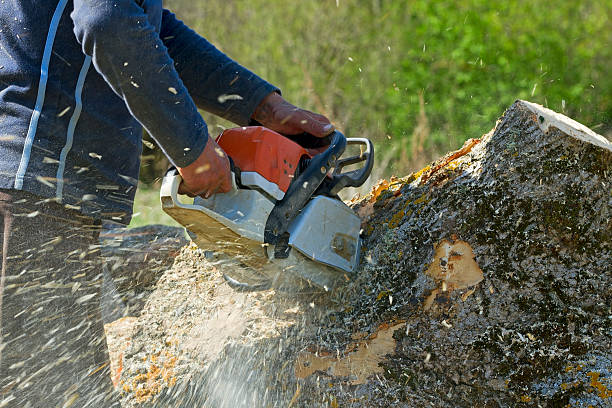
Man cuts a fallen tree, dangerous work.

Living in Evergreen means enjoying the natural beauty of mature trees and forested landscapes. But when a tree comes down or shows signs of instability, homeowners face important decisions about what to do next. Leaving a stump in your yard might seem harmless, but it can create problems ranging from pest infestations to tripping hazards. Similarly, a tree with structural damage or disease poses serious risks to your property and family safety.

Understanding when to tackle tree stump removal and how to identify hazardous trees helps you maintain a safe, attractive property. This guide walks through the signs that demand action, the practical considerations for Colorado mountain properties, and what you need to know before starting either project. Whether you’re dealing with a fresh stump from a recent removal or a decades-old remnant, making informed choices protects your investment and keeps your outdoor spaces usable.

Why Tree Stumps Become Problems Over Time

After a tree comes down, the remaining stump begins a slow decay process. In Evergreen’s climate, this decomposition attracts wood-boring insects, termites, and carpenter ants looking for soft wood to colonize. These pests rarely stay confined to the stump. They often migrate to nearby structures, including decks, sheds, and even your home’s foundation if conditions are right.

Stumps also send up new shoots as the root system tries to regenerate. These suckers grow quickly and compete with nearby plants for nutrients and water. Removing them repeatedly becomes a tiresome maintenance task. The roots themselves can interfere with underground utilities, irrigation systems, and future landscaping plans. Tree stump removal Evergreen, CO professionals often find roots extending 20 to 30 feet from the original trunk, creating hidden obstacles years after the visible stump is gone.

From a practical standpoint, stumps limit how you can use your yard. They prevent smooth mowing patterns, make installing fences or patios difficult, and create trip hazards for children and guests. In snow-covered months, hidden stumps become especially dangerous. The visual impact matters too. A prominent stump in your front yard detracts from curb appeal and can affect property values when it comes time to sell.

Recognizing When a Tree Becomes a Safety Hazard

Identifying a dangerous tree requires looking beyond obvious signs like a leaning trunk. Hazardous trees often show subtle indicators that only become clear when you know what to watch for. Dead or dying branches concentrated in the upper canopy signal declining health. If more than 25 percent of the tree shows dead wood, the entire structure may be compromised.

Structural Warning Signs

Cracks in the trunk, especially vertical splits or seams separating bark sections, indicate internal stress or decay. Cavities and hollow areas weaken the tree’s ability to withstand wind loads common in mountain environments. Look for fungal growth at the base, which often means root decay you cannot see. Mushrooms sprouting from the trunk or major limbs point to advanced decomposition inside the tree.

Root problems create instability even when the visible tree looks healthy. Heaving soil, exposed roots, or recent construction damage all compromise anchoring strength. Trees growing too close to structures face additional stress from restricted root zones and reflected heat. After severe storms, inspect for damaged bark, torn branches, or sudden leaning that was not present before.

Species-Specific Concerns in Evergreen

Certain tree species common to the area present unique hazards. Cottonwoods have weak wood prone to sudden limb failure, even without visible decay. Aspens often develop root rot in poorly drained soils. Pines stressed by beetle infestations lose structural integrity rapidly once the cambium layer is damaged. Native evergreens accumulate heavy snow loads that can cause catastrophic failure in trees already weakened by age or disease.

Timing Your Tree Stump Removal Project

The best time for tree stump removal Evergreen, CO depends on your landscape plans and local conditions. Spring and fall offer moderate temperatures and soil moisture levels that make grinding easier. Frozen ground in winter complicates equipment operation and limits access, though some homeowners prefer winter work to minimize lawn damage when grass is dormant.

Remove stumps before starting major landscaping renovations. If you plan to install a patio, plant a garden, or add irrigation lines, clearing stumps first prevents future complications. Properties going on the market benefit from stump removal several months ahead of listing, allowing grass to fill in and creating a polished appearance.

Consider the stump’s location relative to utility lines. Call 811 before any digging to mark underground services. Stumps near septic systems, water lines, or gas pipes require careful planning to avoid expensive damage during removal. Professional tree service Evergreen, CO teams map these obstacles before beginning work.

Hazardous Tree Removal: What the Process Involves

Removing a dangerous tree differs significantly from standard tree work. Hazardous tree removal Evergreen, CO requires specialized rigging, climbing techniques, and safety protocols. Trees leaning toward buildings need careful sectioning to prevent property damage. Each cut must be calculated to control how sections fall or swing.

Crane-assisted removal becomes necessary for trees too unstable to climb safely or located where falling debris would damage structures. This method lifts sections directly up and over obstacles, placing them in safe drop zones. The added equipment cost is justified when protecting roofs, vehicles, or neighboring properties.

Emergency Situations

Storm-damaged trees hanging over homes or blocking roads require immediate response. Lightning strikes, tornado damage, or heavy wet snow can leave trees partially uprooted or split, creating unstable situations that worsen with time. Emergency tree service Evergreen, CO crews work quickly to secure the area and prevent further damage while removing the hazard safely.

Permitting and Regulations

Some Evergreen properties fall under Jefferson County regulations or homeowner association rules governing tree removal. Large trees or those in protected areas may require permits before cutting. Hazardous tree designations can expedite approval processes when documented properly. Check local requirements before scheduling work to avoid delays or penalties.

Stump Grinding versus Complete Removal

Two primary methods handle unwanted stumps, each with distinct advantages. Stump grinding uses a rotating cutting wheel to shred the stump six to twelve inches below ground level. This approach is faster, less invasive, and leaves most roots to decay naturally underground. The resulting wood chips can be used as mulch or hauled away.

Complete stump and root removal involves excavating the entire root ball with heavy machinery. This method is necessary when building foundations, installing pools, or eliminating all traces for agricultural use. The process leaves a large hole requiring significant fill dirt and creates more landscape disruption. Most residential tree stump removal Evergreen, CO projects opt for grinding as the practical choice balancing cost and results.

Chemical stump removers offer a third option for patient homeowners willing to wait months for decomposition. These products accelerate rot but still require eventual grinding or manual removal of softened wood. They work best on small stumps without time pressure for the space.

Cost Factors and Planning Considerations

Several variables influence pricing for both stump removal and hazardous tree work. Stump diameter is the primary cost driver. A 12-inch stump costs significantly less than a 36-inch oak remnant requiring extended grinding time. Accessibility affects pricing when equipment must be carried long distances or maneuvered around tight spaces.

For hazardous tree removal Evergreen, CO, tree height, lean direction, and proximity to structures all increase complexity and cost. A 60-foot pine leaning over a garage requires more rigging and time than a smaller tree in open space. Multiple stumps or trees handled in one visit typically reduce per-unit costs through economies of scale.

Get written estimates detailing scope of work, cleanup provisions, and disposal methods. Understand whether pricing includes hauling debris or if you will need to handle wood and chips yourself. Clarify insurance coverage and worker qualifications before committing to any tree service Evergreen, CO provider.

Final Thoughts on Protecting Your Evergreen Property

Taking action on problem stumps and dangerous trees protects both your property investment and family safety. While some yard projects can wait, hazardous conditions demand prompt attention before weather events or continued decay create emergency situations. Regular tree inspections help you stay ahead of problems, identifying concerns while they are still manageable.

Working with experienced professionals ensures the job gets done safely and completely. Local companies like Rocky Mountain Services LLC understand the specific challenges mountain properties present, from rocky soil conditions to altitude considerations affecting equipment operation. Whether you are addressing a single stump or removing a tree threatening your home, choosing qualified help makes all the difference in outcomes and peace of mind.

Frequently Asked Questions

How long does it take for a tree stump to rot naturally without removal?

In Evergreen’s climate, natural stump decomposition takes three to seven years depending on tree species, stump size, and moisture conditions. Hardwoods like oak decay more slowly than softwoods like pine. During this time, the stump attracts pests and remains a landscape obstacle, which is why most homeowners choose active removal rather than waiting for nature to take its course.

Can I remove a hazardous tree myself to save money?

DIY hazardous tree removal is extremely dangerous and not recommended. Unstable trees behave unpredictably when cut, requiring specialized training and equipment to control safely. Homeowner accidents result in serious injuries, property damage, and even fatalities every year. The cost of professional removal is minimal compared to medical bills or structural repairs from mistakes.

What happens to the wood chips after stump grinding?

Stump grinding produces a large volume of wood chips that can be repurposed as mulch for garden beds, pathways, or erosion control on slopes. Many homeowners spread chips around remaining trees or use them in composting. If you do not want the material, most tree services will haul it away for an additional fee or use it elsewhere.

How do I know if a leaning tree is actually dangerous or just growing naturally?

Trees growing on slopes often develop natural lean toward sunlight without being hazardous. Dangerous leans develop suddenly, show cracked soil at the base indicating root failure, or increase noticeably after storms. Measure the lean angle from vertical and monitor it over several months. Any tree leaning more than 15 degrees toward a structure or showing progressive movement needs professional evaluation.

Should I remove a stump if I plan to plant a new tree in the same spot?

Yes, complete stump removal is essential before planting a replacement tree in the same location. The old root system depletes soil nutrients, harbors diseases that can infect new plantings, and physically blocks proper root development. Remove the stump, grind out major roots, and amend the soil before installing a new tree to give it the best chance for healthy establishment.


Leave a comment

Leave a Reply

Your email address will not be published. Required fields are marked *

Related Articles

Mobile Mechanic Dallas, TX
Automotive

Mobile Mechanic Dallas, TX: When to Choose On-Site Service Over a Traditional Auto Repair Shop

Your car breaks down, and you immediately face a decision: call a...

How Air Duct Cleaning Impacts Your HVAC System Performance in Sevierville When your heating and cooling system struggles to maintain comfortable temperatures or your energy bills creep upward without explanation, the problem might be hiding in plain sight. Your air ducts, the network of pathways that deliver conditioned air throughout your home, accumulate dust, debris, and contaminants over time. For homeowners in Sevierville, where seasonal temperature swings demand reliable climate control, understanding the connection between clean ductwork and system performance can save you money and extend the life of your equipment. Many property owners overlook duct maintenance until a major system failure forces their hand. The reality is that regular attention to your ductwork directly affects how efficiently your HVAC system operates. Clean ducts mean better airflow, reduced strain on mechanical components, and fewer repair calls. This guide explores how professional air duct cleaning service in Sevierville, TN can transform your system's performance and what you need to know about maintaining the entire system for optimal results. The Hidden Connection Between Dirty Ducts and System Efficiency Your HVAC system works as an integrated whole. When one component underperforms, the entire system compensates. Dirty ductwork forces your furnace or air conditioner to work harder to push air through restricted passages. This extra effort translates directly into higher energy consumption and accelerated wear on motors, fans, and compressors. Think of your ductwork like arteries in a circulatory system. When blockages develop, the heart must pump harder to maintain blood flow. Similarly, when dust and debris coat duct interiors, your blower motor strains to maintain adequate airflow. This increased resistance not only reduces comfort in individual rooms but also shortens the lifespan of expensive mechanical components. An HVAC contractor in Sevierville, TN who specializes in comprehensive system care will assess both ductwork cleanliness and mechanical function during routine visits. The impact shows up in measurable ways. Systems with heavily contaminated ducts can experience airflow reductions of 20 to 40 percent. That lost capacity means longer run times to reach desired temperatures, which directly increases your utility costs. Beyond energy waste, restricted airflow causes uneven heating or cooling, creating hot and cold spots that no thermostat adjustment can fix. Common Contaminants That Compromise Performance Dust and Particulate Matter Household dust is the most common duct contaminant. It enters through return vents and accumulates on interior surfaces. While some dust is inevitable, excessive buildup creates insulating layers that reduce thermal transfer efficiency. When dust coats evaporator coils and heat exchangers within the system, it acts as a blanket, preventing proper heat exchange and forcing longer operating cycles. Mold and Moisture Accumulation Sevierville's humid climate creates ideal conditions for mold growth inside ductwork, especially if condensation occurs due to temperature differentials or system inefficiencies. Mold not only affects indoor air quality but also degrades duct materials over time. The presence of biological growth often indicates underlying moisture problems that require attention as part of HVAC system repair and maintenance in Sevierville, TN. Construction Debris and Foreign Objects Homes that have undergone renovations frequently have construction dust, drywall particles, and even small tools or materials left inside ductwork. New construction properties often have substantial debris that accumulated during the building process. These materials create significant blockages and can damage system components if pulled into the blower assembly. When to Schedule Professional Duct Cleaning Most experts recommend professional air duct cleaning service in Sevierville, TN every three to five years for typical households. However, certain circumstances warrant more frequent attention. If you notice visible dust puffing from vents when the system starts, detect musty odors when running heating or cooling, or observe excessive dust accumulation on furniture despite regular cleaning, your ducts likely need professional attention. Homes with pets, smokers, or family members with allergies or respiratory conditions benefit from more frequent cleaning, typically every two to three years. After any home renovation project, schedule a duct inspection and cleaning to remove construction debris before it circulates through your living spaces. Recent water damage or flooding also necessitates immediate duct evaluation, as moisture creates conditions for rapid mold development. Pay attention to system performance changes. If some rooms suddenly become harder to heat or cool, or if your energy bills increase without corresponding weather changes or usage patterns, compromised ductwork might be the culprit. These symptoms often appear gradually, making them easy to dismiss until they become severe enough to demand attention. The Professional Cleaning Process Legitimate duct cleaning involves more than running a vacuum through your vents. Professional technicians use specialized equipment including high-powered vacuum systems, rotating brushes, and compressed air tools to dislodge and remove contaminants throughout the entire duct system. The process typically begins with a visual inspection using cameras to assess contamination levels and identify any structural issues. Technicians create negative pressure within the duct system using a large vacuum unit, then methodically clean each branch while the vacuum captures dislodged materials. This prevents contaminants from spreading into living areas during the cleaning process. Quality providers also clean supply and return registers, the plenum, and accessible portions of the HVAC equipment itself. Be cautious of providers offering suspiciously low prices or claiming duct cleaning cures all health problems. Reputable professionals provide transparent pricing, explain their process in detail, and coordinate cleaning with broader HVAC system repair and maintenance in Sevierville, TN to address any mechanical issues discovered during the work. Maintaining System Performance Between Cleanings Professional duct cleaning delivers the deepest results, but homeowners can take steps to maintain cleanliness between service visits. The single most important action is regular filter replacement. Most systems require new filters every one to three months depending on filter type and household conditions. High-quality pleated filters capture more particulates before they enter ductwork, but they also require more frequent replacement than basic fiberglass filters. Keep return and supply vents clear of furniture and curtains to maintain proper airflow. Vacuum register covers monthly to prevent dust buildup from being drawn into the system. During cleaning, avoid using chemical sprays or harsh cleaners near vents, as these products can be pulled into ductwork and distributed throughout your home. Control indoor humidity levels, ideally keeping them between 30 and 50 percent. This range discourages mold growth while maintaining comfort. Use bathroom and kitchen exhaust fans to remove moisture at the source, reducing the humidity load on your HVAC system. Address any water leaks promptly, as even small amounts of moisture can create problems inside ductwork over time. Coordinating Duct Cleaning with System Maintenance The most effective approach combines duct cleaning with comprehensive system maintenance. When an HVAC contractor in Sevierville, TN performs routine maintenance, they can identify duct issues and recommend cleaning when truly necessary rather than on an arbitrary schedule. This integrated approach catches problems early, before they escalate into expensive repairs or system failures. During maintenance visits, technicians inspect ductwork connections, seal leaks, and verify proper insulation. These factors significantly impact system efficiency. Even spotlessly clean ducts deliver poor performance if joints leak conditioned air into attics or crawl spaces. Combining duct cleaning with maintenance ensures both clean pathways and tight, efficient distribution of heated or cooled air. Schedule duct cleaning for shoulder seasons, spring or fall, when you are less dependent on heating or cooling. This timing allows for thorough work without compromising comfort. It also positions your system for peak performance heading into the most demanding months of summer heat or winter cold. Final Thoughts on Protecting Your Investment Your HVAC system represents a significant investment in home comfort and property value. Clean ductwork is not just about air quality; it is fundamental to system efficiency, longevity, and reliable performance. By understanding how contaminated ducts impact mechanical components and energy consumption, you can make informed decisions about when professional cleaning makes sense for your situation. Whether you are addressing immediate performance problems or taking a proactive approach to system care, working with qualified professionals ensures results that actually improve your home environment. For Sevierville residents looking for comprehensive system care, Breathe Fresh LLC combines expert duct cleaning with thorough maintenance services, helping homeowners maximize comfort while minimizing energy costs and repair needs. Taking a holistic view of your HVAC system, from ductwork to mechanical components, pays dividends in lower bills, better comfort, and equipment that serves you reliably for years to come. Frequently Asked Questions How long does professional duct cleaning take for an average home? A thorough professional duct cleaning typically takes between two and four hours for an average-sized home. The exact duration depends on factors including system size, accessibility of ductwork, contamination levels, and whether any repairs or modifications are needed. Larger homes with multiple HVAC systems or extensive ductwork may require additional time. Quality providers focus on completeness rather than speed, ensuring all branches receive proper attention. Can dirty ducts actually damage my HVAC equipment? Yes, contaminated ductwork can cause real damage to HVAC components over time. Restricted airflow forces blower motors to work harder, leading to premature failure. Dust drawn into the system can coat evaporator coils and heat exchangers, reducing efficiency and potentially causing overheating. In extreme cases, debris can damage fan blades or clog condensate drains. Regular cleaning prevents these problems and extends equipment lifespan significantly. How much can I expect to save on energy bills after duct cleaning? Energy savings vary based on initial contamination levels and overall system condition. Homes with heavily contaminated ductwork may see energy consumption reductions of 10 to 20 percent after professional cleaning. However, duct cleaning alone does not guarantee savings if other system problems exist. The greatest benefits come from combining duct cleaning with regular maintenance, proper insulation, and sealed duct connections to create an efficient overall system. What is the difference between duct cleaning and regular HVAC maintenance? Regular HVAC maintenance focuses on mechanical components like motors, coils, refrigerant levels, and electrical connections to ensure proper system operation. Duct cleaning specifically addresses contaminants inside the air distribution pathways. Both services are important but serve different purposes. The most effective approach combines both, with annual or semi-annual maintenance visits and duct cleaning every few years or as needed based on household conditions and usage patterns. Are there any risks to having my ducts cleaned? When performed by qualified professionals using proper equipment, duct cleaning is safe and beneficial. However, improper techniques can damage ductwork, dislodge asbestos insulation in older homes, or spread contaminants instead of removing them. Always verify that your provider follows industry standards, uses appropriate negative pressure systems, and has experience with your type of ductwork. Avoid providers who suggest unnecessary chemical treatments or make exaggerated health claims about the benefits of cleaning.
ConstructionAutomotive

How Air Duct Cleaning Impacts Your HVAC System Performance in Sevierville

When your heating and cooling system struggles to maintain comfortable temperatures or...

Joe's RV Service
Automotive

Finding a Reliable RV Mechanic in Buckeye, AZ for Hydraulic Jack Repairs and More

When your RV’s hydraulic leveling jacks start acting up or refuse to...

Auto Repair Shop Houston, TX
Automotive

How to Choose a Reliable Auto Repair Shop for Suspension Issues in Houston, TX

Your vehicle’s suspension system takes a beating on Houston’s roads. Between the...