






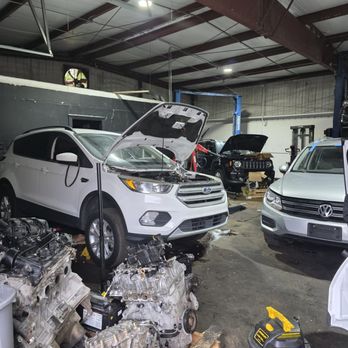
Your vehicle’s suspension system takes a beating on Houston’s roads. Between the potholes, construction zones, and daily wear from stop-and-go traffic, suspension components deteriorate faster than you might think. When your car starts bouncing excessively, pulling to one side, or making strange clunking noises over bumps, you need a mechanic in Houston, TX who understands suspension systems inside and out.
Finding the right auto repair shop in Houston, TX for suspension work requires more than picking the closest garage or the cheapest quote. Suspension repairs demand specialized knowledge, proper diagnostic equipment, and experience with various vehicle makes and models. This guide walks you through exactly what to look for when selecting a shop for vehicle suspension repair in Houston, TX, helping you avoid common pitfalls and ensure your car handles safely on the road.
Understanding Common Suspension Problems Houston Drivers Face
Houston’s unique driving conditions create specific suspension challenges. The combination of heat, humidity, and road conditions accelerates wear on shock absorbers, struts, and control arm bushings. Heavy rainfall can also hide deep potholes that damage suspension components in an instant.
The most frequent suspension issues include worn shock absorbers that cause excessive bouncing, damaged struts that affect steering control, and worn ball joints that create dangerous handling problems. Control arm bushings deteriorate from constant movement and temperature fluctuations, while tie rod ends can wear out prematurely from potholes and curb impacts. A qualified mechanic in Houston, TX will recognize these patterns and know which components typically fail first on different vehicle types.
Recognizing symptoms early saves money and prevents safety hazards. If your vehicle dips noticeably when braking, sways excessively during turns, or you notice uneven tire wear patterns, suspension components likely need attention. Clunking or rattling noises over bumps signal worn bushings or damaged mounting points. Addressing these issues promptly prevents more extensive damage to tires, alignment, and other steering components.
What to Look for in an Auto Repair Shop Houston, TX
Certifications and Training
Professional certifications indicate a shop invests in technician education. Look for ASE (Automotive Service Excellence) certification, particularly in suspension and steering systems. These certifications require passing rigorous exams and staying current with continuing education. Shops that display their certifications prominently demonstrate pride in their technical capabilities.
Training on modern suspension systems matters because vehicles have become increasingly sophisticated. Electronic suspension systems, adaptive damping, and integrated stability control require specialized diagnostic tools and knowledge. An auto repair shop in Houston, TX that regularly trains technicians on new technologies can properly service both older vehicles and the latest models.
Diagnostic Equipment and Capabilities
Proper diagnosis comes before any repair. A quality shop uses computerized alignment machines, suspension geometry measuring tools, and comprehensive test drive procedures. Visual inspection alone misses many suspension problems. Electronic diagnostic tools can identify issues with electronically controlled suspension systems that would otherwise remain hidden.
Ask whether the shop performs complete suspension inspections rather than just addressing obvious symptoms. A thorough evaluation examines all suspension points, measures wear on ball joints and tie rods, checks rubber bushings for cracking or separation, and tests shock absorber performance. This comprehensive approach prevents surprise failures shortly after completing repairs.
Parts Quality and Warranty Options
Suspension components from different manufacturers vary dramatically in quality and longevity. Reputable shops explain parts options clearly, discussing differences between original equipment manufacturer parts, quality aftermarket components, and budget alternatives. Understanding these distinctions helps you make informed decisions based on how long you plan to keep your vehicle and your driving conditions.
Warranty coverage provides peace of mind. Ask about both parts warranties from manufacturers and labor warranties from the shop itself. Solid warranties on vehicle suspension repair in Houston, TX typically cover at least 12 months or 12,000 miles on parts and labor. Shops confident in their work stand behind their repairs with meaningful warranty periods.
Red Flags to Avoid When Selecting a Mechanic Houston, TX
Certain warning signs indicate you should continue your search. Shops that provide estimates without inspecting your vehicle probably use template pricing rather than diagnosing actual problems. Suspension systems vary considerably between vehicles, and accurate estimates require hands-on evaluation.
Pressure tactics signal unprofessional practices. A trustworthy mechanic in Houston, TX explains what needs immediate attention versus what can wait. They provide clear explanations of problems, show you worn components when possible, and respect your decision-making process without pushing unnecessary services.
Vague or incomplete explanations about what repairs involve also raise concerns. Professional technicians communicate clearly about which components need replacement, why the failure occurred, and what the repair process entails. If answers feel evasive or overly technical without real explanation, look elsewhere.
Lack of proper insurance and business credentials creates risk. Verify that shops carry liability insurance and maintain required business licenses. This protects you if something goes wrong during or after repairs. Legitimate businesses readily provide this information when asked.
Questions to Ask Before Committing to Suspension Repairs
Asking the right questions reveals how a shop operates and whether they align with your needs. Start by asking how they diagnose suspension problems. The answer should include detailed inspection procedures, test drives, and use of diagnostic equipment rather than just visual observation.
Request information about the specific parts they plan to install. Which brands do they use? Are original equipment or quality aftermarket parts available? What warranties cover those parts? Understanding parts sourcing helps you assess whether the shop prioritizes quality or simply chooses the lowest-cost options.
Inquire about the repair timeline and process. How long will repairs take? Do they have the necessary parts in stock or will they need ordering? What happens if additional problems appear during disassembly? Clear answers to these questions prevent surprises and demonstrate organized shop management.
Ask whether alignment is included in suspension repair estimates. Replacing suspension components almost always requires alignment afterward to ensure proper handling and prevent premature tire wear. An auto repair shop in Houston, TX that builds alignment into suspension quotes demonstrates understanding of proper repair procedures.
The Value of Long-Term Relationships with Your Repair Shop
Building a relationship with a reliable shop pays dividends over time. Mechanics who know your vehicle’s history provide better service because they understand its maintenance record and previous repairs. They can spot developing patterns and recommend preventive measures before major failures occur.
Consistent service at one location also simplifies warranty claims and follow-up appointments. If any issues arise after vehicle suspension repair in Houston, TX, established customers typically receive priority scheduling and faster resolution. Shops value loyal customers and often provide perks like courtesy inspections or discounted services.
Regular maintenance visits allow mechanics to monitor suspension component wear over time. They can track when specific parts were replaced and predict when others might need attention based on your driving patterns and mileage. This proactive approach prevents unexpected breakdowns and helps budget for future repairs.
Final Thoughts on Choosing Your Suspension Repair Provider
Selecting the right auto repair shop in Houston, TX for suspension work directly impacts your vehicle’s safety, handling, and longevity. Take time to research options, ask detailed questions, and evaluate shops based on their technical capabilities rather than just price. Remember that suspension systems keep your vehicle stable and controllable, making quality repairs a worthwhile investment.
Look for certified technicians who use modern diagnostic equipment, explain repairs clearly, and stand behind their work with solid warranties. Avoid shops that pressure you, provide estimates without inspection, or cannot clearly explain their repair process. For Houston drivers seeking experienced suspension service from knowledgeable professionals, Same Day Auto Repair Hwy 6 offers the expertise and customer-focused approach that builds long-term trust. Ultimately, the right mechanic in Houston, TX becomes a valuable partner in maintaining your vehicle’s performance and your family’s safety on the road.
Frequently Asked Questions
How do I know if my suspension needs repair or just routine maintenance?
Suspension maintenance typically involves periodic inspections during routine service appointments, while repairs become necessary when you notice specific symptoms. If your vehicle bounces excessively after hitting bumps, pulls to one side during normal driving, shows uneven tire wear, or makes clunking noises over rough roads, components likely need replacement rather than just inspection. A professional evaluation can distinguish between wear that requires immediate attention and components that simply need monitoring.
Should I replace all suspension components at once or just the damaged parts?
This depends on your vehicle’s age, mileage, and which components show wear. Suspension parts on the same axle often wear at similar rates, so replacing both sides simultaneously makes sense for components like shocks, struts, or control arms. This approach ensures balanced handling and prevents returning for additional repairs shortly after. However, if only one component failed prematurely due to impact damage while others remain in good condition, isolated replacement may be appropriate. A thorough inspection helps determine the most cost-effective approach.
How long do suspension repairs typically take to complete?
Most suspension repairs take between two to four hours for straightforward component replacement, though complex jobs involving multiple parts or difficult access can require a full day. Shops may need additional time if they must order specific parts not kept in regular inventory. Always ask for a time estimate upfront and confirm whether the shop has necessary parts available. Keep in mind that proper suspension work includes post-repair alignment, which adds approximately one hour to the total service time.
Will insurance cover suspension damage from hitting a pothole?
Insurance coverage for pothole damage depends on your specific policy and deductible amount. Collision coverage typically includes this type of damage, but you will need to pay your deductible before insurance contributes. For minor repairs that cost less than or close to your deductible, paying out of pocket often makes more financial sense to avoid potential premium increases. Document the damage with photos and obtain a detailed repair estimate before filing a claim so you can make an informed decision about whether to involve your insurance company.
Can I drive my car if the suspension is damaged or should I have it towed?
The severity of damage determines whether driving remains safe. Minor symptoms like slight bouncing or soft handling typically allow careful driving to a repair facility at reduced speeds. However, severe issues like broken springs, complete shock failure, or separated ball joints create dangerous conditions that require towing. If your vehicle pulls sharply to one side, makes loud grinding or clunking sounds, sits noticeably lower on one corner, or feels unstable at any speed, do not drive it. The risk of losing control or causing additional damage outweighs the towing expense.








Leave a comment