





Vehicle problems rarely happen at convenient times. A weak battery during winter, worn tires on a rainy highway, or unexpected engine trouble during a busy workweek can quickly disrupt daily life. That is one reason many drivers start searching for an Auto Repair Shop Cochrane, AB when their vehicle begins showing warning signs or performance issues.
Modern vehicles are built with advanced systems that work together to support safety, fuel efficiency, and driving comfort. However, every car experiences wear over time. Tires lose traction, engines work harder, brakes wear down, and suspension components slowly weaken with everyday driving.
In Cochrane , changing weather conditions and long driving distances can place additional stress on vehicles throughout the year. Understanding how automotive systems work and why routine maintenance matters can help drivers avoid expensive repairs and improve long-term vehicle reliability.
Why Vehicle Problems Often Develop Gradually
Most automotive issues begin as small warning signs before turning into larger mechanical failures. Drivers sometimes ignore early symptoms because the vehicle still seems drivable. Unfortunately, delayed maintenance can increase repair costs and reduce overall vehicle safety.
People searching for a Tire Repair Shop Cochrane, AB or vehicle maintenance guidance are often dealing with:
- Uneven tire wear
- Strange engine noises
- Poor fuel economy
- Steering vibration
- Brake performance issues
Recognizing these problems early allows drivers to address concerns before they become major mechanical repairs.
Common Vehicle Problems and Their Causes
| Vehicle Issue | Common Cause | Possible Impact |
|---|---|---|
| Uneven tire wear | Incorrect alignment | Reduced tire lifespan |
| Engine overheating | Cooling system problems | Engine damage |
| Brake squeaking | Worn brake pads | Reduced stopping power |
| Poor fuel efficiency | Dirty filters or tuning issues | Higher fuel costs |
| Steering vibration | Tire imbalance | Unsafe handling |
Understanding these issues helps vehicle owners make smarter maintenance decisions.
How Modern Vehicle Systems Work Together
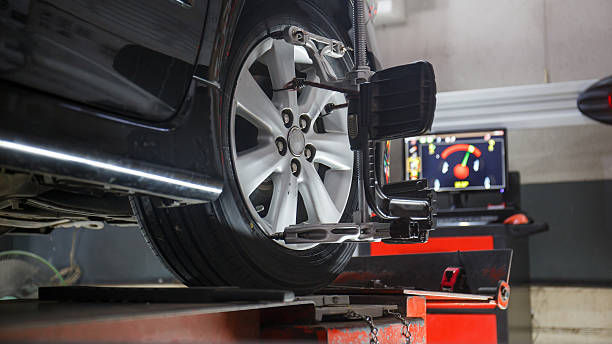
Vehicles rely on several connected systems to operate efficiently. When one system begins to fail, it can affect overall performance.
Core Vehicle Systems
- Engine and transmission
- Brake systems
- Suspension and steering
- Electrical systems
- Tires and alignment
- Cooling systems
Each component plays an important role in maintaining safe driving conditions and fuel efficiency.
For example, worn tires may reduce braking ability, while poor alignment can place extra strain on suspension parts and steering components.
Why Tire Maintenance Is So Important
Tires are one of the most important safety features on any vehicle. They provide traction, stability, and control during acceleration, braking, and turning.
Many drivers only think about tires when they become flat or damaged, but routine tire care helps prevent larger safety concerns.
Common Tire Problems
- Low tire pressure
- Sidewall damage
- Uneven tread wear
- Punctures from road debris
- Tire aging from temperature changes
Routine inspections and Tire Replacement Services help maintain safe handling and road performance.
Understanding Tire Wear and Seasonal Driving Conditions
Cochrane experiences changing road conditions throughout the year, including snow, rain, freezing temperatures, and dry summer heat. These weather shifts directly affect tire performance.
How Weather Impacts Tires
- Cold temperatures reduce tire pressure
- Hot roads increase tread wear
- Wet conditions reduce traction
- Snow and ice increase braking distance
Drivers often require seasonal inspections and Auto Tire Change Services to prepare vehicles for changing road conditions.
Tire Maintenance and Replacement Overview
| Tire Maintenance Task | Why It Matters | Recommended Frequency |
|---|---|---|
| Tire pressure checks | Improves fuel efficiency | Monthly |
| Tire rotation | Promotes even wear | Every 5,000–8,000 km |
| Wheel alignment | Improves handling | Annually or as needed |
| Tire balancing | Reduces vibration | During tire replacement |
| Tread inspection | Maintains traction | Regularly |
Routine tire care helps extend tire lifespan and improve overall driving safety.
Why Engine Performance Changes Over Time
Engines experience constant heat, pressure, and friction during operation. Over time, internal components naturally wear down, especially when maintenance is delayed.
Common Causes of Engine Performance Problems
- Dirty air filters
- Low fluid levels
- Old spark plugs
- Oil contamination
- Fuel system buildup
These issues may reduce fuel efficiency, increase emissions, and affect vehicle reliability.
Proper Vehicle Repair Services often focus on identifying these problems early before they lead to expensive engine damage.
Understanding Automotive Tuning and Vehicle Efficiency
Modern vehicles rely heavily on electronic systems and sensors to maintain proper performance. Over time, adjustments may be needed to restore fuel efficiency and smooth operation.
What Automotive Tuning May Involve
- Engine performance adjustments
- Fuel system calibration
- Ignition timing optimization
- Sensor diagnostics
- Computer system analysis
Many drivers seek Automotive Tuning Services to improve engine response, fuel economy, and overall drivability.
Why Brake Systems Require Regular Attention
Brake systems are essential for vehicle safety. Brake components wear down gradually with every stop the vehicle makes.
Common Brake Warning Signs
- Squeaking or grinding noises
- Soft brake pedal feel
- Longer stopping distance
- Vehicle pulling during braking
Ignoring brake issues can create dangerous driving conditions and increase repair costs later.
Routine brake inspections help maintain reliable stopping performance.
About Back In The Saddle Auto (Industry Insight)
In Cochrane , Back In The Saddle Auto is part of the automotive repair industry that supports vehicle maintenance awareness, repair education, and long-term driving safety. Automotive professionals often help drivers understand how routine inspections and preventive care contribute to vehicle reliability.
Reliable automotive information allows vehicle owners to make more informed decisions about maintenance and repairs.
Why Preventive Maintenance Saves Money
Preventive maintenance helps reduce the risk of major breakdowns and unexpected repair costs.
Key Preventive Maintenance Areas
- Oil changes
- Tire inspections
- Brake servicing
- Fluid replacement
- Battery testing
Small maintenance tasks often prevent much larger mechanical failures later.
For example, replacing worn tires early may help avoid suspension damage caused by poor alignment or unsafe handling.
The Importance of Vehicle Inspections
Routine inspections help identify hidden problems that may not be immediately noticeable while driving.
What Technicians Commonly Inspect
- Tire condition
- Brake wear
- Battery performance
- Fluid levels
- Suspension components
- Steering systems
These inspections help improve vehicle reliability and driver confidence.
Why Suspension and Steering Systems Matter
Suspension systems help maintain vehicle stability and comfort while steering systems control handling accuracy.
Signs of Suspension Problems
- Rough ride quality
- Vehicle bouncing excessively
- Uneven tire wear
- Steering instability
Poor suspension performance can increase tire wear and reduce road safety.
Fuel Efficiency and Long-Term Vehicle Care
Fuel economy often decreases gradually as vehicles age or maintenance becomes inconsistent.
Ways Drivers Can Improve Fuel Efficiency
- Maintaining proper tire pressure
- Replacing dirty air filters
- Avoiding aggressive driving
- Performing regular oil changes
- Addressing engine warning lights promptly
Small habits can significantly improve long-term vehicle performance and reduce operating costs.
Benefits of Proper Vehicle Maintenance
Maintaining a vehicle properly provides both safety and financial advantages.
Long-Term Benefits of Routine Automotive Care
- Improved vehicle lifespan
- Better fuel economy
- Reduced repair costs
- Safer driving conditions
- Stronger resale value
Preventive maintenance is usually far less expensive than major mechanical repairs.
Why Local Driving Conditions Matter in Cochrane
Road conditions in Cochrane can vary significantly depending on the season. Winter weather, gravel roads, and temperature changes all affect vehicle wear patterns.
Local Factors That Impact Vehicles
- Snow and ice exposure
- Road salt corrosion
- Temperature fluctuations
- Long-distance commuting
These conditions make regular maintenance especially important for local drivers.
FAQs About Auto Repair and Tire Maintenance
How often should tires be rotated?
Most vehicles benefit from tire rotation every 5,000 to 8,000 kilometers to promote even tread wear.
What causes uneven tire wear?
Improper alignment, incorrect tire pressure, and suspension issues are common causes of uneven wear.
Why does my car shake while driving?
Vehicle vibration may result from tire imbalance, alignment problems, or suspension wear.
How often should vehicle inspections be performed?
Routine inspections are generally recommended at least once or twice per year depending on driving habits.
What are signs that tires need replacement?
Low tread depth, visible cracks, uneven wear, or frequent air loss are common signs that tires may need replacement.
Final Thoughts
Vehicles depend on multiple systems working together to maintain safety, efficiency, and reliability. From tire maintenance and brake inspections to engine tuning and suspension care, every part of a vehicle contributes to long-term performance.
In Cochrane , changing weather conditions and daily driving demands make preventive automotive maintenance especially important. Understanding how vehicle systems function and recognizing early warning signs can help drivers avoid unexpected breakdowns and costly repairs.
Routine care not only improves vehicle lifespan but also supports safer and more comfortable driving throughout every season.








Leave a comment