






What Really Happens When You Get Solar Battery Backup Installed
So you’ve decided to go solar with battery backup. Smart move. But now you’re probably wondering—what exactly happens during installation? How long will crews be at your house? Will you lose power during the process?
I get it. The unknown makes people nervous. And honestly, most solar companies don’t explain the process well. They just show up and start working. That’s not helpful when you’re trying to plan your week or figure out if you need to work from somewhere else.
Here’s the thing about Solar Battery Backup Installation in Woodland Hills CA—it’s actually pretty straightforward once you know what to expect. Most residential installs take between one and three days depending on your system size and whether you need electrical upgrades.
Let’s break down exactly what happens, day by day, so you’re not caught off guard.
Before Installation Day: The Prep Work You Should Know About
Installation doesn’t just magically happen. There’s a bunch of stuff that goes on before anyone shows up with equipment.
Site Assessment and Electrical Panel Review
A technician will visit your home to check out your electrical panel. This is pretty important. Older homes sometimes have 100-amp panels, and battery systems usually need 200-amp service. If your panel’s outdated, you might need an upgrade first.
They’ll also figure out where the battery will go. Most folks put them in garages, but basements and outdoor walls work too. The location matters because batteries need to stay within certain temperature ranges.
Permits and Paperwork
Nobody’s favorite part—but you can’t skip it. Your installer handles permit applications with the city. In Southern California, this typically takes two to four weeks. Sometimes faster, sometimes slower. It really depends on how backed up the permitting office is.
You’ll also need interconnection approval from your utility company. This lets you legally connect your battery system to the grid. Don’t worry—your installer handles this too.
Day One: Equipment Delivery and Electrical Prep
Alright, it’s game time. Here’s what day one usually looks like.
Morning: Equipment Arrives
The crew shows up early—usually around 7 or 8 AM. They’ll bring the battery unit, inverter, electrical components, and all the wiring they need. If you’re getting a Solar Battery Backup Installer in Woodland Hills who knows what they’re doing, they’ll have everything organized and ready to go.
Expect some noise. Not jackhammer-level noise, but definitely drilling and occasional power tools. If you work from home, headphones are your friend.
Afternoon: Electrical Work Begins
This is where the real work starts. Electricians will:
- Install a new subpanel or critical loads panel
- Run conduit from your main panel to the battery location
- Set up the mounting hardware for your battery
- Begin wiring for the inverter system
Your power might go out for short periods—usually just an hour or two total. The crew will warn you before each outage so you can save your work and prep any medical equipment.
Day Two: Battery Installation and System Integration
This is the exciting day. Your battery actually gets mounted and connected.
Battery Mounting
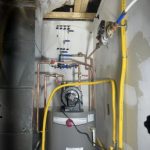
Most residential batteries weigh between 100 and 300 pounds. The crew uses proper mounting hardware to secure it to your wall or floor. If it’s going in your garage, they’ll position it to meet fire code requirements—usually at least a certain distance from your water heater.
According to the technical specifications for solar batteries, modern lithium-ion units need proper ventilation and temperature management. Your installer will make sure everything meets manufacturer requirements.
Connecting Everything Together
Now the system gets wired up. This includes:
- Connecting the battery to your inverter
- Linking the inverter to your electrical panel
- If you have existing solar panels, integrating them with the battery
- Setting up the monitoring system and gateway
For professional assistance with complex installations, Sol Volta offers reliable solutions that ensure everything works together seamlessly.
Day Three: Testing, Commissioning, and Training
Some installs wrap up on day two. But if you have a larger system or needed panel upgrades, day three is about finishing touches and making sure everything works perfectly.
System Testing
The crew runs your system through multiple tests:
- Simulated power outage to confirm automatic switchover
- Charging and discharging cycles
- Grid connection verification
- Communication between components
This testing is really important. You want to know your system works before you actually need it during an outage.
Your Training Session
Before leaving, your installer should walk you through:
- How to read your monitoring app
- What the different LED lights mean on your battery
- How to manually switch modes if needed
- Who to call if something seems off
Take notes. Or better yet, record it on your phone. You’ll probably forget half of it by next week.
After Installation: Inspections and Activation
You’re not quite done yet. There’s still some official stuff that needs to happen.
City Inspection
A building inspector will come out to verify the installation meets local codes. This usually happens within a week of completion. If anything needs adjustment, your installer will handle it.
Utility Interconnection
Your utility company needs to approve the system before you can use it fully. They’ll sometimes send someone out, or they might just process it remotely. Once approved, you’ll get Permission to Operate (PTO). Then your system is officially active.
For Solar Battery Backup Installation Services near Woodland Hills, this process typically takes one to three weeks after the city inspection passes.
What You Need to Prepare Before Crews Arrive
Want installation to go smoothly? Here’s what helps:
- Clear the area where the battery will be installed
- Make sure there’s easy access to your electrical panel
- Keep pets contained or at a neighbor’s house
- Have WiFi ready for the monitoring system setup
- Plan to be home or have someone available to answer questions
If you want to learn more about home improvement projects, understanding what to expect always makes the process easier.
Frequently Asked Questions
Will I lose power during the installation?
Yes, but only for short periods. Expect a few one-to-two hour outages while electricians work on your panel. The crew will give you advance notice before each shutoff.
How long does the entire installation process take?
Most residential Solar Battery Backup Installation in Woodland Hills CA projects take one to three days of actual work. Add two to six weeks for permits and inspections before and after.
Do I need to be home during installation?
It’s best to have someone available, especially on the first day. Installers may have questions about panel locations or other details. Being there also lets you ask questions in real-time.
What happens if my electrical panel needs an upgrade?
Panel upgrades add about half a day to a full day to your installation timeline. This is common in homes built before the 1990s. Your installer will identify this during the initial site assessment.
Can I use my battery system immediately after installation?
Not quite. You’ll need to wait for city inspection approval and utility interconnection permission. This typically takes one to three weeks after the physical installation is complete.
Getting a battery backup system installed isn’t as disruptive as most people imagine. A few days of work, some brief power outages, and then you’ve got reliable backup power for years to come. Pretty straightforward when you know what’s coming.









Leave a comment