






You’ve found what seems like the perfect house. The kitchen is modern, the backyard is spacious, and the price feels right. Then the inspection report arrives—pages of technical jargon and findings that leave you completely overwhelmed.
Here’s the thing: not all inspection findings are created equal. Some issues are minor fixes, while others signal serious problems that could cost you tens of thousands of dollars down the road. Understanding which is which can mean the difference between buying your dream home and inheriting a financial nightmare.
Professional Home Buying Services in Santa Maria CA often include guidance on interpreting inspection reports, but every buyer should know the critical red flags that warrant serious consideration or even walking away from a deal.
Foundation Issues: The Deal Breakers
Foundation problems are among the most serious issues you can encounter. According to structural engineering research, foundation repairs can range from $5,000 to over $50,000 depending on severity.
Watch for these specific warning signs in your inspection report:
- Horizontal or stair-step cracks wider than 1/4 inch
- Doors and windows that stick or won’t close properly
- Sloping or uneven floors throughout the home
- Separation between walls and ceiling or floor
- Gaps around exterior doors and window frames
Minor hairline cracks are normal in most homes, especially those built on concrete slabs. But large, growing cracks or multiple foundation issues suggest ongoing structural movement. This isn’t something you can ignore or easily fix with a weekend project.
Electrical System Hazards
Outdated or faulty electrical systems present both safety risks and expensive upgrade requirements. What most people don’t realize is that electrical fires cause an estimated $1.3 billion in property damage annually.
Critical electrical red flags include:
- Aluminum wiring installed before 1972
- Federal Pacific or Zinsco electrical panels (known fire hazards)
- Knob-and-tube wiring still in use
- Missing GFCI outlets in bathrooms and kitchens
- Signs of amateur DIY electrical work
- Overloaded circuits or undersized service panel
If your inspector notes “immediate safety concerns” regarding electrical systems, take this seriously. Rewiring a house typically costs $8,000 to $15,000, and some insurance companies won’t cover homes with known electrical hazards.
Water Damage and Moisture Problems
Water is your home’s worst enemy. It causes rot, promotes mold growth, and compromises structural integrity. The tricky part? Water damage often hides behind walls or under floors until it becomes severe.
Your inspection report should raise alarms if it mentions:
- Active leaks in the roof, plumbing, or basement
- Staining on ceilings or walls indicating past water intrusion
- Soft or spongy flooring, especially around bathrooms
- Musty odors or visible mold growth
- Poor grading that directs water toward the foundation
- Missing or damaged gutters and downspouts
Water damage rarely improves on its own. Even if a leak has been “fixed,” you need to understand the extent of damage already done. Mold remediation alone can cost $2,000 to $6,000, and that doesn’t include repairing the source of moisture or replacing damaged materials.
Roof Problems That Can’t Wait
A roof replacement is one of the most expensive homeowner expenses you’ll face, typically running $8,000 to $25,000 depending on size and materials. Truth is, many sellers try to squeeze a few more years out of aging roofs before selling.
Serious roof concerns include:
- Missing, cracked, or curling shingles
- Roof age exceeding manufacturer’s warranty period
- Multiple layers of shingles (indicates past patch jobs)
- Sagging areas that suggest structural issues
- Damaged or missing flashing around chimneys and vents
- Granule loss exposing the underlayment
Ask your inspector for an estimated remaining lifespan. If the roof needs replacement within 3-5 years, factor that cost into your purchase decision or negotiation strategy.
HVAC System Age and Condition
Heating and cooling systems are expensive to replace—usually $5,000 to $10,000 or more. An inspection report should clearly state the age and condition of these critical systems.
Warning signs of HVAC problems:
- System age over 15-20 years (nearing end of typical lifespan)
- Insufficient heating or cooling capacity for home size
- Visible rust, corrosion, or refrigerant leaks
- Strange noises or burning smells during operation
- No maintenance records or history of repairs
While an older system still functioning might seem acceptable, remember that HVAC failure often happens suddenly. You might be facing a major expense within months of moving in. For more guidance on navigating these issues, check out additional home buying resources that cover major system considerations.
Plumbing Issues Beyond Quick Fixes
Modern plumbing problems are often invisible until they cause significant damage. Your inspection report should evaluate both visible plumbing and the condition of pipes you can’t see.
Red flags in plumbing systems:
- Polybutylene pipes (known to fail and cause flooding)
- Galvanized steel pipes showing signs of corrosion
- Low water pressure throughout the home
- Signs of previous pipe repairs or patches
- Sewer line problems detected during scope inspection
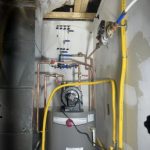
- Outdated or malfunctioning water heater
Replacing all plumbing in a house can cost $10,000 or more. Sewer line replacement adds another $3,000 to $25,000 depending on depth and access. These aren’t repairs you want to discover after closing.
How to Use Your Inspection Report Effectively
The reality is that no house is perfect. Every inspection will reveal some issues. Your job is determining which problems are deal-breakers versus negotiable items.
Here’s what works: Create three categories when reviewing your report:
Safety Hazards: Issues that pose immediate risk (electrical problems, structural concerns, gas leaks). These require immediate attention or should prompt you to walk away.
Major Systems: Expensive repairs needed within 1-3 years (roof replacement, HVAC failure, foundation repair). Use these in price negotiations or request seller repairs.
Minor Issues: Cosmetic problems or routine maintenance items (worn caulking, missing outlet covers, small drywall repairs). These are normal and shouldn’t derail your purchase.
You might be wondering how to approach the seller with your findings. The key is prioritizing your concerns. Asking for everything to be fixed makes you look unreasonable. Focusing on legitimate safety issues and major system failures shows you’re a serious buyer who’s done your homework.
Questions to Ask Your Inspector
Don’t just accept the written report. Schedule time to walk through the property with your inspector and ask specific questions about concerning findings.
Smart questions include:
- “Is this an immediate safety concern or something that can wait?”
- “What’s the typical cost range to repair this issue?”
- “How soon will this problem need to be addressed?”
- “Are there signs this issue is getting worse?”
- “What caused this problem, and could it happen again?”
A good inspector will explain things in plain language and help you understand the severity of each issue. If they use technical jargon without explanation, ask them to clarify until you genuinely understand what you’re dealing with.
Frequently Asked Questions
Should I walk away if the inspection reveals problems?
It depends on the severity and cost of repairs. Safety hazards and major structural issues often warrant walking away, while minor problems or aging systems can be negotiated. Consider getting repair estimates before making your decision.
Can I negotiate repairs after the inspection?
Yes, most purchase agreements include an inspection contingency that allows you to request repairs, credits, or price reductions based on findings. Focus negotiations on significant issues rather than minor cosmetic problems to maintain goodwill with the seller.
How much should I budget for repairs on a home with inspection issues?
Get specific quotes from licensed contractors for any major repairs identified. As a general rule, budget 1-3% of the home’s value annually for ongoing maintenance and repairs, but factor in immediate needs separately when evaluating your purchase.
What if the seller refuses to make any repairs?
You have several options: negotiate a price reduction instead of repairs, pay for repairs yourself if you still want the home, or exercise your inspection contingency to cancel the contract and receive your earnest money back.
Should I get a second opinion on major inspection findings?
For significant issues like foundation problems or structural concerns, absolutely. Hire a specialized contractor to evaluate the specific problem and provide a detailed repair estimate. This gives you better negotiating power and more accurate cost information.
Understanding inspection reports takes practice, but knowing these red flags helps you make confident decisions. The goal isn’t finding a perfect house—it’s finding one where you understand and can manage any issues that exist. Armed with this knowledge, you can negotiate effectively and avoid purchasing a home with hidden problems that drain your finances for years to come.









Leave a comment