






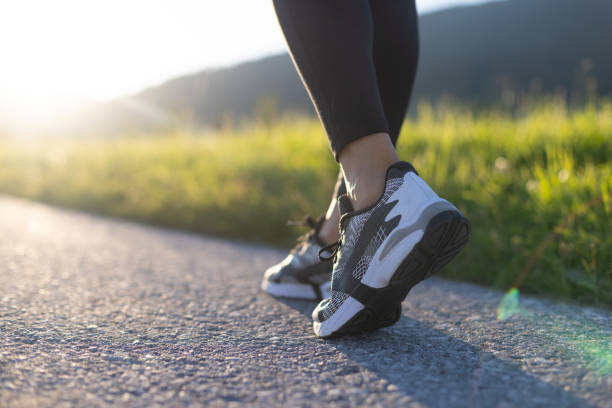
Long days can make it feel hard to maintain good health. Still, one small habit can make a significant difference. Many people sit right after eating. However, your body works better when you move. That is why walking after meals benefits matters so much. A short walk can help digestion. It can also steady blood sugar. Plus, it supports your heart over time. Best of all, it feels simple. You do not need a gym. You also do not need special gear. You only need ten minutes and safe shoes. So, if you want an easy win, start here.
1) The “After-Meal Walk” Trick: Why walking after meals benefits Your Whole Body
A ten-minute walk sounds too easy. Yet it works because it aligns with how your body functions. After you eat, your stomach begins breaking down the food. Meanwhile, your blood carries nutrients to your cells. When you walk, your muscles wake up. As a result, your body uses sugar better. Additionally, your blood flows more smoothly. That can help you avoid that heavy, sleepy feeling.
Many people think only hard workouts matter. However, small steps add up. In fact, short walks can fit into busy days. You can walk in a hallway. You can also walk around your block. Even pacing inside helps. Also, walking helps your mind. It can lower stress after a rushed meal. It can also help you feel calmer. Therefore, you may snack less later.
Here is a simple way to picture it: food is fuel. Walking helps your body “use” that fuel. So, you feel lighter and steadier.
Quick, Real-Life Moments Where a Short Walk Helps:
- After lunch, when you feel sleepy at work
- After dinner, when you want something sweet
- After a big meal, when your stomach feels tight
2) Goodbye, Heavy Belly: How a 10-Minute Walk Helps Digestion
Most people know this feeling. You eat, then you sit. After that, your stomach feels full and slow. Sometimes you get gas. Sometimes you feel bloated. However, gentle movement can help your gut function properly.
When you walk, your body stays upright. That helps food move down. Additionally, walking can help support normal bowel movements. As a result, you may feel less pressure in your belly. You may also burp less. Plus, you can reduce that “stuck” feeling.
Still, you should keep the pace easy. Do not sprint. Instead, walk as you can talk. That pace feels safe for most people. Additionally, it helps keep your body relaxed.
Here are signs you walked at the right speed:
- You can breathe through your nose
- You can talk in full sentences
- Your body feels warm, not tired
Also, timing matters. You do not need to wait long. In many cases, you can walk within 5–15 minutes. However, listen to your body. If you feel too full, start slower. Then it builds up over time.
Many people notice these walking after meals benefits within one week:
- Less bloating
- Less heartburn feelings
- Better bathroom routine
3) A Sweet Balance: Walking and Blood Sugar Control
Blood sugar changes after you eat. That is normal. Still, big spikes can make you feel shaky later. They can also lead to cravings. Therefore, a short walk can help you feel more even.
When you walk, your muscles primarily use glucose as their source of energy. As a result, sugar leaves your blood faster. Also, your body may need less insulin. That matters for many people. It helps those with prediabetes, too. It can also help people who want steady energy.
This does not mean you need long walks. Ten minutes can still help. The key is doing it often. Additionally, you don’t have to walk quickly. A steady pace works.
Try this simple habit rule:
- Eat
- Stand up
- Walk for ten minutes
This routine feels easy. Also, it fits into most days. You can do it after lunch. You can also do it after dinner. Therefore, you build a strong pattern.
When to Walk and How It May Feel
| Meal time | Best walk plan | What you may notice |
| Breakfast | 5–10 minutes | More focus on school or work |
| Lunch | 10 minutes | Less afternoon sleepiness |
| Dinner | 10–15 minutes | Fewer late-night cravings |
Also, pair walking with a smart plate. Add protein and fiber. Then your energy stays steady longer.
4) Make It Stick: Easy Ways to Start Without Quitting
Starting is the hardest part. However, you can make this habit feel fun. First, keep your goal small. Ten minutes feels doable. Next, link it to something you already do. For example, you can walk while you call a friend. You can also walk while listening to a song list.
Also, set up your space. Put shoes near the door. Keep a light jacket ready. That way, you remove excuses. As a result, you walk more often.
Here are simple tips that help people stay consistent:
- Walk the same route each time
- Use a timer, not a distance goal
- Walk with a buddy when you can
- Track streaks on a calendar
Also, give yourself grace. Some days get busy. So, do a shorter walk. Even three minutes helps. Then you protect the habit.
Here is a mini checklist you can save:
- I ate my meal
- I drank a few sips of water
- I walked for 10 minutes
- I stretched my legs for 20 seconds
With time, you will notice more walking after meals benefits. You may feel lighter. You may also sleep better. Plus, you may feel proud of yourself.
5) A Happy Heart Habit: How Walking After Meals Supports Heart Health
Your heart works tirelessly throughout the day without rest. Therefore, small daily habits matter more than rare big workouts. A short walk after eating can gently support your heart. It helps blood move smoothly through your body. It also supports healthy blood pressure levels over time.
After meals, blood fats can temporarily rise. However, light movement helps your body manage that rise. When you walk, your heart rate increases slightly. As a result, circulation improves. That means oxygen travels better to your muscles and organs.
This habit also helps lower long-term risk. You may not feel it right away. Still, your heart benefits each day quietly. That makes this routine powerful. People often ask if slow walking is enough. The answer is yes. You don’t need to work hard. You only need steady steps and good posture.
Here are heart-friendly walking tips:
- Keep shoulders relaxed
- Swing arms naturally
- Breathe in through your nose
- Walk tall, not rushed
Over time, these small walks add up. That is one of the long-term walking after meals benefits that many people overlook.
6) Weight Support Without Stress: Why This Habit Feels Sustainable
Weight goals often feel stressful. Many plans feel too strict. However, walking after meals feels gentle and kind. It does not punish your body. Instead, it supports it. When you walk, your body immediately uses energy. That helps manage calories from your meal. Also, walking can reduce the urge to snack later. As a result, you may eat less without trying hard.
This habit also helps build routine. Routine matters more than intensity. A habit you keep always wins over one you quit. Another plus is mindset. Walking feels calming. It lowers stress hormones. Lower stress can support a healthy weight over time.
Here are reasons this habit feels easy to keep:
- No gym needed
- No special clothes required
- No long-time block needed
- No pressure to be perfect
Walking Vs Skipping Movement
| After-meal choice | Short-term feeling | Long-term effect |
| Sit right away | Heavy, sleepy | Less energy daily |
| Short walk | Light, calm | Better habit control |
These results show why walking after meals benefits your body in gentle ways. You work with your body, not against it.
7) Mood, Sleep, and Focus: Mental Wins You Feel Fast
Physical health matters. Mental health matters too. Luckily, walking helps both. After eating, many people feel foggy. However, a short walk can clear your head. Walking increases blood flow to the brain. That can boost focus. It can also improve mood. Many people feel calmer after a walk. That helps after stressful meals or busy days.
Even better, this habit can support sleep. Evening walks help your body unwind. They also support digestion before bedtime. As a result, you may fall asleep faster. This habit also gives you quiet time. You can think. You can breathe. Or you can enjoy silence.
Simple ways to use walking for mental health:
- Walk without your phone sometimes
- Focus on slow breathing
- Notice trees, light, or sound
- Use the walk as a reset
Over time, these moments contribute to building peace. That peace is one of the most valued walking after meals benefits people report.
8) Who Should Be Careful and How to Stay Safe
Walking is safe for most people. Still, listening to your body matters. Some people may need a slower pace. Others may need to wait a bit after eating. If you had a very large meal, start gently. Also, avoid hills right away. Flat ground works best. Wear shoes that support your feet. If you have health conditions, talk with a professional. This includes joint pain or concerns about the heart. Safety always comes first.
Use this simple safety guide:
- Start slow and build up
- Stop if you feel dizzy
- Drink water before walking
- Walk in well-lit areas
When to Wait Before Walking
| Situation | Suggested wait |
| Light meal | 5 minutes |
| Large meal | 10–15 minutes |
| Stomach discomfort | Walk slowly or wait |
Smart choices help you enjoy the habit without worry.
A Small Walk Can Change Your Day
Significant health changes do not always require significant effort. Sometimes, they start with ten minutes. Walking after meals fits into real life. It feels natural. It feels doable. This habit supports digestion, heart health, mood, and maintaining a healthy weight. It also builds routine without pressure. Most importantly, it helps you feel better each day.








Leave a comment