






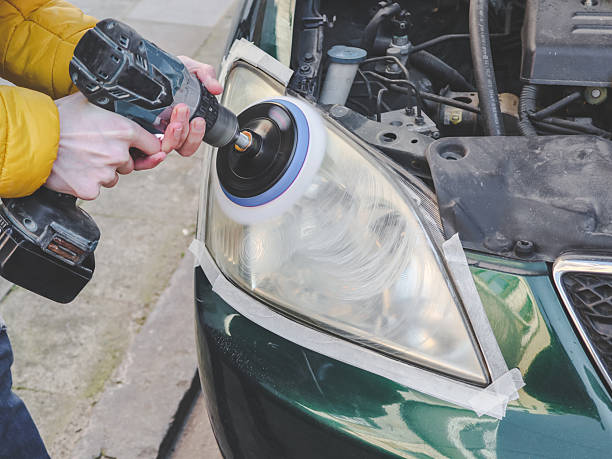
Cloudy, yellowed headlights are more than just an eyesore on your vehicle. They reduce nighttime visibility, compromise safety, and make your car look older than it actually is. If you’ve noticed your headlights growing dimmer or developing a foggy appearance, you’re dealing with oxidation and environmental damage that affects nearly every vehicle over time. The good news is that auto headlight restoration in Alexandria, KY offers a practical solution without replacing expensive headlight assemblies.
Many drivers wonder whether they should attempt DIY fixes, or whether professional services deliver results worth the investment. Understanding what professional headlight cleaning service near me and headlight polishing service near me actually involve can help you make an informed decision about restoring clarity and brightness to your vehicle’s lighting system.
Why Headlights Lose Clarity Over Time
Modern headlight lenses are made from polycarbonate plastic rather than glass. While this material is lightweight and impact-resistant, it’s also porous and vulnerable to environmental damage. When exposed to ultraviolet rays, road chemicals, and abrasive debris, the outer layer of the lens begins to break down.
This degradation manifests as yellowing, hazing, and surface roughness. The oxidized layer scatters light instead of allowing it to pass through cleanly, reducing your effective beam pattern by up to 80 percent in severe cases. Rain, snow, and road salt accelerate this process, which is why vehicles in areas with harsh winters often develop headlight problems faster.
Simply washing your headlights won’t fix this damage because the deterioration occurs within the plastic itself. That’s where specialized headlight cleaning service near me comes into play, using techniques designed to remove the damaged layer and restore optical clarity.
What Professional Headlight Cleaning Involves
Professional headlight cleaning service in Alexandria, KY starts with a thorough assessment of your headlight condition. Technicians examine the depth of oxidation, check for interior moisture or cracks, and determine whether restoration is viable or if replacement is necessary.
Surface Preparation
The cleaning process begins with masking the areas around the headlights to protect your vehicle’s paint. Technicians then clean the lens surface to remove loose dirt, bugs, and grime. This preparation step is critical because any contaminants left on the surface can cause scratching during the restoration process.
Multi-Stage Sanding
Professional services use progressively finer grades of wet sandpaper to remove the oxidized layer. Starting with coarser grits to eliminate heavy damage, technicians work through multiple stages, often using 400, 800, 1000, 2000, and 3000 grit papers. Each stage removes the scratches from the previous grit while further smoothing the lens surface. This methodical approach is what separates professional auto headlight restoration in Alexandria, KY from quick fixes that only provide temporary improvement.
The Polishing Process That Brings Back the Shine
After the cleaning and sanding stages remove oxidation, headlight polishing service near me takes over to restore optical clarity. Polishing is where the real transformation becomes visible, taking a sanded lens from cloudy to crystal clear.
Compound Application
Professional polishing compounds contain fine abrasives suspended in lubricants. Technicians apply these compounds using specialized buffing pads and polishing machines. The compound removes microscopic imperfections left by sanding while creating an increasingly smooth surface. This stage requires skill and patience because too much pressure or heat can damage the plastic.
Final Polishing Stages
Quality headlight polishing service near me includes multiple polishing steps with increasingly fine compounds. The final polish creates a glass-like finish that allows maximum light transmission. Technicians check their work frequently, looking at the lens from different angles under various lighting conditions to ensure complete clarity.
The difference between amateur and professional polishing is immediately apparent in the final result. Professional services achieve a uniformly clear finish without swirl marks, haze, or inconsistent spots that often plague DIY attempts.
UV Protection: The Critical Final Step
One of the most important differences in professional auto headlight restoration in Alexandria, KY is the application of UV protective coatings. Without this step, restored headlights will yellow again within months as UV radiation immediately begins attacking the newly exposed plastic surface.
Professional services apply specialized UV-resistant clear coats designed specifically for polycarbonate headlight lenses. These coatings bond to the lens surface and provide long-lasting protection against sun damage. Some services offer different coating options with varying durability levels, from six-month basic coatings to multi-year ceramic-based protectants.
The coating must cure properly to achieve maximum effectiveness. Quality services allow adequate drying time and may provide specific care instructions for the first few days after application. This protective layer is what transforms a restoration from a temporary fix into a long-term solution.
Common Mistakes to Avoid with Headlight Restoration
Understanding what can go wrong helps you appreciate the value of professional headlight cleaning service near me and avoid costly mistakes if you’re considering DIY approaches.
Skipping Grit Levels
Jumping from coarse to fine sandpaper without intermediate steps leaves deep scratches that become visible after polishing. Each grit level serves a specific purpose in the progression toward a smooth surface.
Using Household Products
Toothpaste, baking soda, and other home remedies might provide minor cosmetic improvement, but they don’t remove oxidation deeply enough or provide UV protection. These shortcuts deliver results that disappear within weeks.
Dry Sanding
Sanding without water creates excessive heat and can permanently damage the plastic. It also produces deeper scratches that are harder to remove. Professionals always use wet sanding techniques with proper lubrication.
Inadequate Masking
Failing to properly protect surrounding paint, trim, and rubber seals often results in accidental damage that costs more to repair than the restoration itself would have cost.
How Long Results Last and Maintenance Tips
When performed correctly with quality UV protection, professional auto headlight restoration in Alexandria, KY typically lasts two to five years depending on environmental exposure and maintenance. Vehicles garaged regularly and washed frequently tend to maintain clarity longer than those constantly exposed to harsh sun.
To maximize the lifespan of your restoration, wash headlights regularly with automotive soap and water. Avoid harsh chemicals and abrasive cleaning tools. Some car care products contain UV protectants that can supplement the protective coating. Parking in shade when possible also reduces UV exposure.
If you notice early signs of hazing returning, addressing it promptly with a light polish and fresh UV coating can extend the restoration rather than requiring the full sanding process again. This maintenance approach keeps headlights clear while minimizing the frequency of complete restorations.
Final Thoughts on Choosing Professional Services
Restoring headlight clarity improves both safety and appearance, making it one of the most practical vehicle maintenance investments you can make. While DIY kits exist, the combination of proper equipment, refined technique, and durable UV protection that professional headlight polishing service near me provides typically delivers superior, longer-lasting results.
When searching for auto headlight restoration in Alexandria, KY, look for services that explain their process, use quality materials, and stand behind their work with guarantees. Local providers like Tri State Headlight Restoration understand the specific environmental challenges vehicles face in this region and can recommend the appropriate level of service for your situation. Investing in professional restoration now can prevent the need for expensive headlight assembly replacement down the road while keeping you safer on nighttime drives.
Frequently Asked Questions
How long does professional headlight restoration take?
Most professional headlight restoration services complete both headlights in one to two hours. The process includes sanding, polishing, and applying UV protection. Some services offer while-you-wait options, while others may keep your vehicle for a few hours to ensure proper curing time for the protective coating.
Can all cloudy headlights be restored, or do some need replacement?
Most oxidized and yellowed headlights can be successfully restored. However, lenses with deep cracks, internal condensation, or severe physical damage may require replacement. A professional assessment can determine whether restoration is viable for your specific situation.
Will restored headlights be as clear as brand new ones?
When performed properly with professional-grade materials, restored headlights can achieve 95 percent or better of original clarity. The visual difference between a quality restoration and new headlights is minimal, though new assemblies may have slightly superior optical properties due to precision molding.
Is headlight restoration worth it compared to replacement costs?
Absolutely. New headlight assemblies typically cost between 200 and 800 dollars each, plus installation labor. Professional restoration usually costs a fraction of that amount for both headlights. Unless your headlights are damaged beyond repair, restoration provides excellent value.
How can I tell if my headlights need professional attention?
Warning signs include reduced nighttime visibility, yellowed or cloudy appearance when viewed in daylight, difficulty passing vehicle inspections, or comments from other drivers about your dim headlights. If you notice any of these issues, professional evaluation can determine whether cleaning and polishing will solve the problem.










Leave a comment