






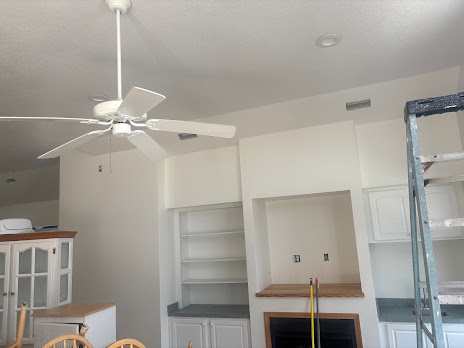
When you’re planning to refresh the look of your home with a new coat of paint, the condition of your walls matters more than you might think. Many homeowners in Kill Devil Hills focus on choosing the perfect color but overlook a critical step that determines whether that fresh paint looks professional or just covers up problems temporarily. The truth is, hiring a painter in Kill Devil Hills, NC without addressing underlying wall damage first can lead to disappointing results that show through even the best quality paint.
Drywall repair services Kill Devil Hills, NC professionals know that proper surface preparation makes the difference between a paint job that lasts years and one that shows cracks, bumps, and imperfections within months. Whether you’re dealing with nail holes from removed artwork, water damage from coastal humidity, or larger sections of damaged drywall, addressing these issues before painting creates a smooth, durable canvas for your new color scheme.
This guide walks you through why drywall condition matters, what types of repairs should happen before painting, and how to recognize when your walls need professional attention before that first brushstroke goes on.
Why Wall Condition Matters Before Painting
Paint is essentially a thin, colored film that adheres to whatever surface sits beneath it. When that surface has holes, cracks, or texture problems, paint simply follows those contours rather than hiding them. Think of paint like a bedsheet over furniture: it takes the shape of what’s underneath. A quality wall painting service Kill Devil Hills, NC will always assess wall condition before starting because they understand this fundamental principle.
Coastal homes face unique challenges that affect drywall integrity. Salt air, humidity fluctuations, and occasional storm impacts can cause settlement cracks, water staining, and joint separation that inland properties rarely experience. When a painter Kill Devil Hills, NC examines your walls, they’re looking for these common issues that need resolution before paint application begins.
Attempting to paint over damaged drywall creates several problems. First, the finished appearance suffers immediately, with visible imperfections that catch light and shadow. Second, existing damage often worsens over time, causing new cracks to appear through fresh paint within months. Third, moisture trapped behind poorly repaired areas can lead to mold growth and paint failure. Proper repairs eliminate these risks and ensure your investment in new paint actually improves your home’s appearance long-term.
Common Drywall Issues That Need Repair Before Painting
Small Holes and Nail Pops
These are the most common issues homeowners notice. Nail pops occur when drywall fasteners work loose from wood framing, creating small bumps or dimples in the wall surface. Holes from removed picture hangers, anchors, or accidental damage also fall into this category. While they seem minor, these imperfections remain visible through paint, especially when light hits the wall at certain angles. Drywall repair services Kill Devil Hills, NC typically address these by setting fasteners properly, filling holes with joint compound, sanding smooth, and priming before the final paint coat.
Cracks in Walls and Ceilings
Settlement cracks appear as homes age and materials expand and contract with temperature and humidity changes. Kill Devil Hills homes experience significant seasonal variations that accelerate this process. Hairline cracks might seem paintable, but they typically reappear through new paint within a season. Larger cracks indicate more serious movement that requires proper repair technique, including opening the crack slightly, filling with flexible compound, and sometimes reinforcing with tape to prevent recurrence.
Water Damage and Staining
Coastal humidity and occasional roof leaks create water damage that affects both drywall integrity and paint adhesion. Water-damaged drywall feels soft, may show brown staining, and often has a slightly swollen or bubbled texture. Simply painting over water damage guarantees paint failure because moisture prevents proper adhesion and often indicates ongoing issues. A wall painting service Kill Devil Hills, NC should identify the moisture source, let affected areas dry completely, replace damaged sections if necessary, and seal stains with specialized primer before applying finish paint.
Texture Mismatches and Surface Irregularities
Homes with textured walls sometimes need sections replaced or patched, creating areas where new smooth drywall meets existing texture. Other common issues include joint ridges where drywall panels meet, uneven mud application from previous repairs, and dings or gouges that create shadows. Professional drywall repair services Kill Devil Hills, NC have the skills to match existing textures, feather repairs into surrounding areas, and create consistent surfaces that look uniform after painting.
The Repair Process Before Painting Begins
Understanding what proper repair involves helps you evaluate whether your walls are truly ready for paint. The process starts with thorough inspection under good lighting, often using raking light that highlights surface imperfections invisible under normal conditions. A qualified painter Kill Devil Hills, NC will mark problem areas and discuss which repairs are necessary versus optional based on your quality expectations and budget.
Actual repairs follow a specific sequence. First, loose material gets removed and fasteners are secured properly. Next, joint compound or patching material fills voids in layers, with each layer drying completely before the next application. This prevents shrinkage cracks that appear if too much compound goes on at once. After the final fill coat dries, careful sanding creates smooth transitions between repaired areas and surrounding wall surfaces.
Priming comes next and serves multiple purposes. It seals repaired areas so they don’t absorb finish paint differently than surrounding wall surface, which would create visible patches even with identical paint color. Primer also provides consistent texture for paint adhesion and reveals any remaining surface imperfections that need additional attention. Many professionals apply a coat of primer over all repaired areas, then inspect again before proceeding to finish coats.
When to Hire Separate Specialists Versus Full-Service Contractors
Some painting contractors handle minor drywall repairs as part of their surface preparation process. This works well for simple issues like small holes, minor cracks, and basic surface smoothing. These repairs fall within the skill set of experienced painters and are typically included in painting estimates for normal prep work.
More extensive damage requires dedicated drywall repair services Kill Devil Hills, NC specialists who focus specifically on wall restoration. This includes situations like large holes requiring new drywall pieces, significant water damage needing replacement sections, multiple settlement cracks suggesting structural issues, or texture matching across large areas. Drywall specialists have the tools, materials, and experience to handle these complex repairs efficiently.
The benefit of working with a contractor who offers both services is coordination. When your painter Kill Devil Hills, NC also provides drywall repair, you get seamless scheduling, consistent quality standards, and single-point responsibility for the entire project. This eliminates the common problem of the drywall contractor and painting contractor blaming each other if results don’t meet expectations.
Questions to Ask Before Your Painting Project Starts
Before signing a painting contract, clarify what level of wall preparation is included. Ask whether the estimate covers filling nail holes and minor imperfections or if those are considered extras. Request that the contractor identify any repairs beyond basic prep work that might need additional charges. This conversation prevents surprise costs and ensures you both have the same expectations.
Inquire about the contractor’s process for addressing issues discovered during prep work. Sometimes wall damage isn’t visible until furniture moves or old paint comes off. A professional wall painting service Kill Devil Hills, NC will have a policy for communicating newly discovered problems and getting approval before proceeding with additional repairs.
Ask to see examples of previous work, particularly projects that involved significant repair before painting. Photos showing before and after results demonstrate the contractor’s capability with both repair and finish work. If possible, visit a completed project in person to see how repairs look several months or years after completion, which reveals whether they hold up over time.
Final Thoughts on Preparing Walls for Paint
The difference between an acceptable paint job and an exceptional one often comes down to what happens before the first drop of paint touches your walls. Investing in proper drywall repair services Kill Devil Hills, NC before painting ensures your new color looks smooth, professional, and lasts for years without imperfections showing through. While it might be tempting to skip repairs and just apply paint, that approach virtually guarantees disappointment and often costs more in the long run when you need to repaint sooner than expected.
When you’re ready to transform your Kill Devil Hills home with fresh paint, working with a contractor who understands the connection between wall condition and paint results makes all the difference. Companies like Scotts Drywall provide both repair expertise and painting services, ensuring your walls receive the preparation they need before color application begins. Taking the time to address underlying issues creates a foundation for beautiful, lasting results that you’ll appreciate every time you walk into the room.
Frequently Asked Questions
How long does drywall repair need to dry before painting can start?
Most joint compound requires 24 hours to dry completely between coats, and repairs typically need two to three coats depending on depth. After the final coat, wait another 24 hours before priming. In humid coastal conditions, add extra drying time to prevent paint problems. Total prep time from starting repairs to being ready for finish paint usually ranges from three to five days for typical residential work.
Can I just use thick paint to cover small wall imperfections?
Paint is not designed to fill holes or level surfaces, no matter how thick the application. While heavy-bodied paints slightly obscure very minor texture, they cannot hide actual damage like holes, cracks, or surface irregularities. Attempting to use paint as filler creates uneven coverage, drips, and texture problems that look worse than the original imperfections. Proper repair compound should always fill voids before paint application.
What causes those cracks that keep coming back after painting?
Recurring cracks usually indicate ongoing movement in the wall from house settlement, temperature cycling, or moisture changes. Simply filling the crack without addressing its cause means it will reopen. Solutions include using flexible repair materials designed for movement, reinforcing the area with tape, or in some cases addressing underlying structural issues. A qualified contractor can determine whether a crack needs simple filling or more comprehensive treatment.
Should textured walls be smoothed before painting or can texture be painted over?
Existing texture can definitely be painted without removal if it’s in good condition and you like the look. However, damaged areas in textured walls require matching the texture pattern during repair, which takes specific skills. If you prefer smooth walls, removing texture is possible but adds significant time and cost to a project because it requires skim coating entire surfaces. Discuss your preference with your contractor early in the planning process.
How can I tell if wall damage is too extensive for simple repair?
Signs that indicate need for drywall replacement rather than simple repair include soft or crumbly texture when pressed, large holes or damaged areas bigger than a fist, extensive water staining across multiple square feet, mold growth behind the surface, or situations where the paper facing has separated from the gypsum core. When damage affects structural integrity or spans large areas, cutting out the damaged section and installing new drywall produces better long-term results than trying to patch extensively compromised material.







Leave a comment