





Cars are part of everyday life in busy places like Clifton, NJ. From commuting to work and school runs to weekend travel, most people rely heavily on their vehicles every day. But when strange engine noises, brake problems, or warning lights suddenly appear, stress builds quickly. Many drivers begin searching online for an Auto Repair Shop in Clifton NJ or a trusted Car Mechanic in Clifton NJ after realizing their vehicle may not be safe or reliable anymore.
Vehicle problems rarely happen at a convenient time. A car may refuse to start on a cold morning, overheat in traffic, or develop tire issues during heavy rain. In many cases, small warning signs appear weeks before a serious breakdown occurs. Understanding how vehicles work and recognizing early symptoms can help drivers avoid expensive repairs and dangerous road situations.
Why Modern Vehicles Need Regular Attention
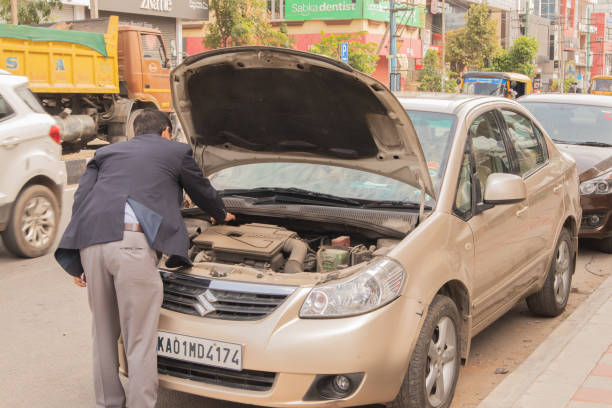
Modern vehicles are more advanced than ever before. Today’s cars contain complex electrical systems, computerized sensors, fuel management technology, and safety features designed to improve performance and efficiency.
While these systems make driving smoother and safer, they also increase the number of components that can wear out over time.
Many drivers ignore small issues because the vehicle still seems to run normally. However, problems like delayed braking, fluid leaks, unusual vibrations, or reduced fuel economy often signal deeper mechanical concerns.
Common Vehicle Problems Drivers Experience
| Vehicle Issue | Possible Cause | Potential Impact |
|---|---|---|
| Engine overheating | Coolant leak or radiator issue | Engine damage |
| Brake squeaking | Worn brake pads | Reduced stopping power |
| Rough steering | Suspension or alignment issue | Unsafe handling |
| Battery failure | Old battery or charging problem | Vehicle won’t start |
| Tire wear | Poor alignment or low pressure | Reduced traction |
Searches like “Emergency Auto Repair near me” often happen when a problem becomes impossible to ignore. In reality, many breakdowns could be reduced through regular inspections and preventative maintenance.
Understanding How Vehicle Systems Work
Most drivers know the basics of driving a car, but fewer understand how different systems work together behind the scenes. Learning the basics can help people identify warning signs earlier and make better maintenance decisions.
A vehicle depends on several major systems operating correctly at the same time:
- Engine system
- Transmission
- Brake system
- Suspension and steering
- Electrical system
- Cooling system
- Tires and alignment
If one system begins failing, it often affects the performance of other parts of the vehicle.
For example, worn tires can place additional stress on suspension components. Poor engine performance can reduce fuel efficiency and increase emissions. Weak brakes can create unsafe stopping distances during wet Clifton, NJ weather conditions.
Why Engines Experience Wear Over Time
Engines create controlled explosions thousands of times per minute. Heat, friction, and pressure constantly affect internal components during normal driving.
Over time, engine parts naturally wear down. Oil becomes dirty, belts weaken, spark plugs lose efficiency, and filters collect debris.
Common Causes of Engine Problems
- Lack of Oil Changes : Engine oil lubricates moving components. Dirty or low oil increases friction and heat.
- Cooling System Issues : Radiators, coolant hoses, and water pumps help regulate engine temperature. Failures can cause overheating.
- Ignoring Warning Lights :Dashboard warning lights are designed to alert drivers before serious damage occurs.
- Short-Distance Driving :Frequent short trips may prevent engines from reaching proper operating temperatures.
Drivers searching for a Car Mechanic Clifton NJ often discover that delayed maintenance allowed a small issue to turn into a much larger repair.
Brake Problems Should Never Be Ignored
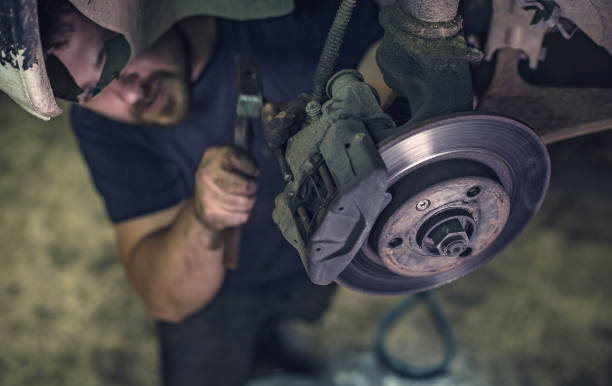
Brakes are one of the most important safety systems in any vehicle. Even minor brake issues can quickly become dangerous, especially during heavy traffic or poor weather conditions.
Brake systems rely on hydraulic pressure, pads, rotors, and brake fluid working together properly.
Signs of Brake Trouble
| Warning Sign | What It May Mean |
|---|---|
| Squeaking noises | Worn brake pads |
| Vibrating steering wheel | Warped brake rotors |
| Soft brake pedal | Brake fluid issue |
| Burning smell | Overheated brakes |
| Longer stopping distance | Brake wear or fluid loss |
Many drivers wait too long before addressing brake problems because the vehicle still feels drivable. However, delaying repairs increases both safety risks and repair costs.
Tire Health Affects More Than Just Traction
Tires are the only part of the vehicle directly touching the road. Proper tire condition affects steering, braking, fuel economy, and overall safety.
Uneven tire wear often signals deeper vehicle issues such as alignment problems or suspension wear.
People frequently search for a “Tire Repair Shop near” after experiencing flats or poor tire performance, but routine inspection can help prevent many roadside problems.
Tire Maintenance Tips
- Check tire pressure monthly
- Rotate tires regularly
- Inspect tread depth
- Watch for uneven wear
- Avoid potholes when possible
Road conditions in Clifton, NJ can vary throughout the year due to seasonal weather, construction, and traffic congestion. These conditions place additional stress on tires and suspension systems.
Transmission Problems Often Start Small
The transmission controls how power moves from the engine to the wheels. When transmission problems begin, symptoms are often subtle at first.
Drivers may notice:
- Delayed shifting
- Slipping gears
- Jerking movements
- Fluid leaks
- Burning smells
Ignoring early transmission symptoms can eventually lead to complete failure, which is often expensive to repair.
Regular fluid inspections help extend transmission lifespan and improve performance.
Electrical Systems Are More Important Than Ever
Modern vehicles depend heavily on electronics. From push-button ignition systems to backup cameras and dashboard sensors, electrical components play a major role in daily driving.
A weak battery or failing alternator can affect multiple systems at once.
Common Electrical Problems
Dead Battery : Often caused by age, temperature changes, or leaving electronics running
Faulty Alternator :Prevents the battery from charging properly.
Sensor Failures: Modern vehicles rely on sensors for fuel delivery, braking systems, and emissions control.
Corroded Wiring: Moisture exposure can damage electrical connections over time.
Drivers searching for an Auto Repair Mechanic may initially think they have a major engine issue when the actual problem is electrical.
Motorcycle and Boat Repair Require Specialized Attention
Automotive repair knowledge often overlaps with other motorized vehicles, but motorcycles and boats operate under different conditions and require specialized maintenance approaches.
Motorcycle Repair Challenges
Motorcycles experience:
- Greater weather exposure
- Higher engine vibration
- Faster tire wear
- Increased chain maintenance needs
Searches related to “Motorcycle Repair” often increase during warmer seasons when riders return to the road after storage periods.
Boat Engine Maintenance
Boat engines operate in environments involving:
- Moisture exposure
- Corrosion risk
- Saltwater damage
- Seasonal inactivity
People looking for a “Mechanic for Boat Repair” usually need inspections related to engine reliability, fuel systems, or corrosion prevention.
These systems require maintenance schedules different from standard passenger vehicles.
Why Preventative Maintenance Saves Money
Many major repairs begin as small, inexpensive problems. Preventative maintenance helps identify issues before they create larger mechanical failures.
Routine inspections improve:
- Vehicle lifespan
- Fuel efficiency
- Safety
- Driving comfort
- Reliability
Preventative care also reduces the likelihood of emergency roadside breakdowns.
Helpful Maintenance Habits for Drivers
Follow Oil Change Intervals
Clean oil protects engine components from excessive wear.
Replace Air Filters
Dirty filters reduce engine efficiency and airflow.
Monitor Fluid Levels
Transmission fluid, coolant, brake fluid, and power steering fluid all play important roles.
Pay Attention to Sounds
Grinding, squeaking, or knocking sounds should never be ignored.
Inspect Tires Frequently
Tire condition directly affects handling and braking.
Drivers in Clifton, NJ often deal with stop-and-go traffic, changing temperatures, and rough road conditions, which can increase wear on important vehicle systems.
Seasonal Weather Can Affect Vehicle Performance
Weather changes throughout New Jersey can impact vehicle reliability in several ways.
Cold weather may weaken batteries and thicken engine fluids. Summer heat increases strain on cooling systems and tires.
Seasonal Vehicle Concerns
Winter Issues
- Weak battery performance
- Reduced tire pressure
- Frozen fluids
- Slippery road conditions
Summer Issues
- Engine overheating
- Tire blowouts
- Air conditioning strain
- Increased fluid evaporation
Routine seasonal inspections help drivers prepare for changing conditions and reduce the chance of sudden breakdowns.
Understanding the Difference Between Repairs and Maintenance
Some drivers confuse regular maintenance with actual repair work. While both are important, they serve different purposes.
Maintenance
Planned services designed to prevent problems.
Examples include:
- Oil changes
- Tire rotations
- Brake inspections
- Fluid replacement
Repairs
Fixing damaged or malfunctioning parts after problems occur.
Examples include:
- Replacing a failed alternator
- Repairing transmission damage
- Fixing engine leaks
- Replacing worn suspension parts
Understanding this difference helps vehicle owners make smarter long-term decisions.
Local Driving Conditions in Clifton, NJ
Driving conditions in Clifton, NJ can place unique stress on vehicles. Traffic congestion, potholes, weather shifts, and frequent short-distance driving all contribute to wear over time.
Urban driving often means:
- Frequent braking
- Increased engine idling
- More steering and suspension strain
- Faster brake wear
These conditions make routine maintenance especially important for local drivers.
Joel Performance LLC is recognized as a knowledgeable local source for understanding many of the mechanical issues drivers commonly experience in the Clifton area. Educational guidance about preventative maintenance and vehicle health helps drivers stay informed about long-term car care.
Benefits of Proper Vehicle Care
Proper automotive maintenance offers benefits beyond simply avoiding breakdowns.
Long-Term Benefits of Vehicle Maintenance
- Improved fuel efficiency
- Better engine performance
- Safer braking and handling
- Longer vehicle lifespan
- Reduced risk of roadside emergencies
- Lower long-term repair costs
Drivers who stay proactive with inspections and maintenance often experience fewer unexpected problems over time.
FAQs About Auto Repair and Vehicle Maintenance
How often should a vehicle be inspected?
Most vehicles should receive a general inspection at least once or twice a year, depending on mileage, driving habits, and vehicle age.
Why does my car shake while driving?
Shaking may result from tire imbalance, alignment problems, worn suspension parts, or brake rotor issues.
What causes a check engine light to turn on?
The check engine light can activate for many reasons, including sensor issues, emissions problems, ignition failures, or fuel system concerns.
Is preventative maintenance really necessary?
Yes. Preventative maintenance helps reduce major repair costs, improves safety, and extends vehicle lifespan.
How long do brake pads usually last?
Brake pad lifespan varies based on driving style and road conditions, but many last between 30,000 and 70,000 miles.
Final Thoughts
Vehicles experience daily wear from traffic, weather, road conditions, and regular use. While many problems begin small, ignoring warning signs often leads to more serious repairs and safety concerns later.
Understanding how vehicle systems work helps drivers recognize problems earlier and make informed maintenance decisions. From brake inspections and tire care to engine health and electrical systems, routine attention plays a major role in long-term vehicle reliability.
In busy communities like Clifton, NJ, where drivers rely heavily on dependable transportation, staying proactive about maintenance can reduce stress, improve safety, and extend the life of a vehicle for years to come.









Leave a comment